

Aquatic Intelligence: Unveiling the Surprising Cognitive and Social Abilities of Your Aquarium Fish.
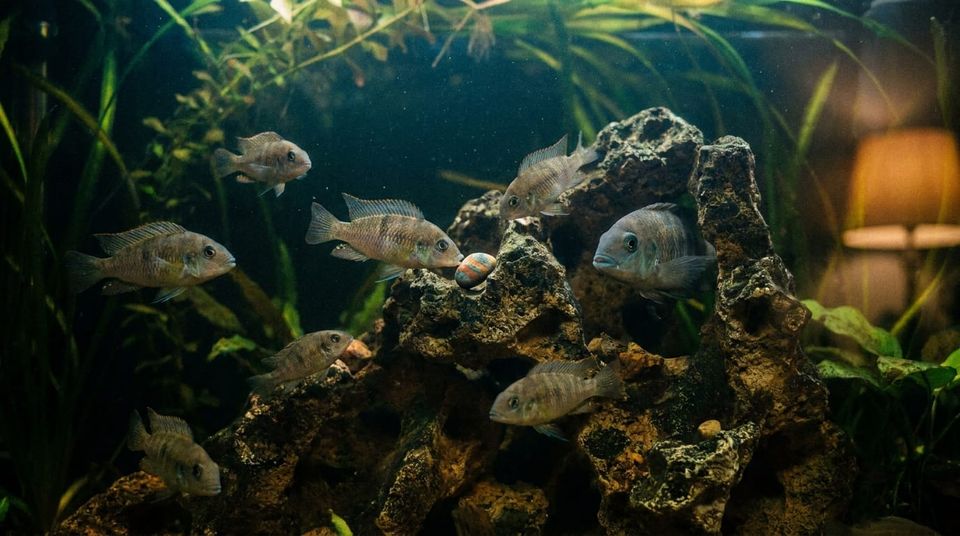
Let's just chat for a second. When you tell someone you have pet fish, what's the reaction you usually get? It's often a polite nod, right? For a long time, these beautiful aquatic creatures have been seen as little more than living decorations. But what if I told you that beneath those shimmering scales, there's a whole world of thought, memory, and social drama unfolding? You're not just looking at a pretty tank; you're observing a complex community of intelligent beings.
More Than a Goldfish Memory
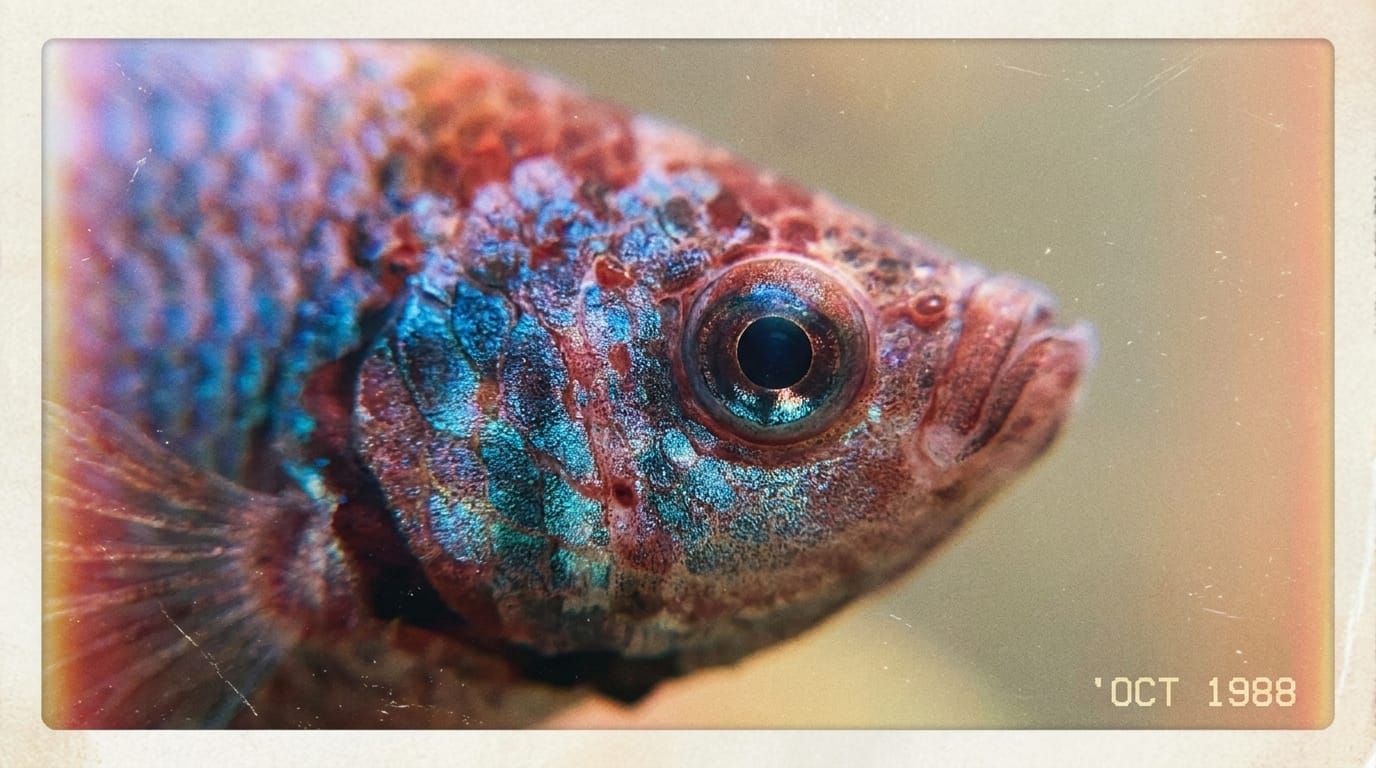
Okay, let's get one of the biggest myths out of the way right now: the three-second memory. It's just not true! In reality, fish have pretty impressive memories that can last for months, if not years. They absolutely recognize you. That little wiggle dance your betta does when you approach the tank? That's not a random spasm; that's recognition and, most likely, anticipation of food. They learn to associate your presence with positive things.
But it goes way beyond just remembering who feeds them. Fish are genuine problem-solvers. Scientists have observed fish learning to navigate complex mazes to find a treat. Some species, like the incredible archerfish, can calculate trajectory and distance to spit a jet of water and knock an insect off a leaf above the surface. That's not instinct alone; that's applied physics, happening inside a tiny aquatic brain. They learn, they adapt, and they remember their successes and failures to get better over time.

The Secret Social Club in Your Aquarium
Another common misconception is that fish are all stoic loners, perfectly happy to just float around by themselves. While some species do prefer solitude, a huge number of the fish we keep are deeply social creatures with complex hierarchies and communication methods. We just have to learn how to see it. They communicate through subtle shifts in color, body posture, and fin displays. That 'aggression' you might see is often just a very clear conversation about territory or status.
It's so much more than just swimming together. Their social lives are rich and meaningful to their well-being. Thinking about their social needs is a huge part of being a great fish keeper. It's about understanding that you're not just an owner; you're the architect of their entire social world.
- Cichlids: The Family Fish - Seriously, some cichlid species are amazing parents. They protect their eggs, guard their young fry, and teach them how to forage. It's a level of family dedication many people don't expect to see underwater.
- Guppies & Livebearers: The Social Butterflies - These guys aren't just swimming around randomly. Studies have shown they can recognize other individual fish and will often choose to hang out with 'friends'. They form little social networks right in your tank.
- Bettas: The Misunderstood Introverts - We all know them as 'fighting fish', but that aggression is actually a highly complex form of communication. Their fin flaring and body language are all part of a sophisticated system for establishing territory and assessing rivals without always having to fight. They're not just angry; they're communicating boundaries.
- Tetras & Rasboras: Strength in Numbers - That beautiful, synchronized swimming you see isn't just for show. It's a defense mechanism and a way to efficiently find food. Each fish is constantly monitoring its neighbors, making tiny adjustments to stay in formation. It's a beautiful example of collective intelligence.

How You Can Nurture Their Minds
So, knowing all this, how can we make their lives better? It starts with empathy and enrichment. A fish in a bare bowl is like a person in an empty room-bored and understimulated. You can easily nurture their intelligence by making their environment more interesting. Regularly and slowly change the layout of the decorations. Add new, safe objects for them to explore, like smooth stones or new silk plants. This gives them new 'puzzles' to solve and new territories to map out.
Feeding time is also a fantastic opportunity for interaction. Instead of just dumping flakes in, you can teach them to come to a certain corner of the tank for food. Some people even train their fish to swim through hoops or gently take food from their fingers. It's all about engagement. Most importantly, respect their social needs. Keeping a schooling fish like a tetra all by itself is profoundly stressful for them. They're wired for company, and giving them that is one of the kindest things you can do.
So the next time you gaze into your aquarium, look a little closer and see beyond the simple beauty. You're the caretaker of a tank full of thinkers, learners, and socialites, each with its own unique personality.

Comments ()