

Beyond Our Senses: How Animals Perceive Reality Through Scent, Sound, and Sight
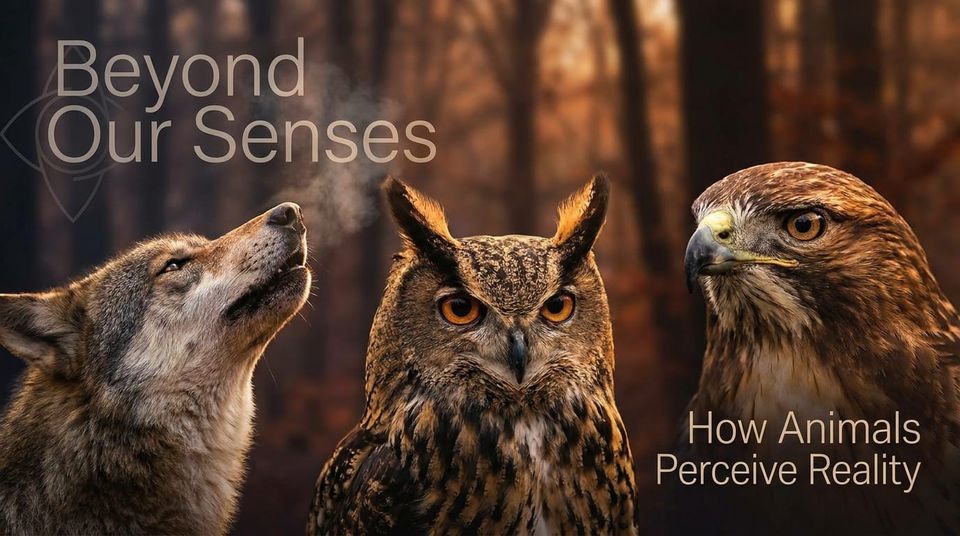
You experience a fraction of the world around you. Animals access information through channels your brain cannot process. Their reality is constructed from a foundation of superior scent, sound, and sight.
The Dominance of Scent
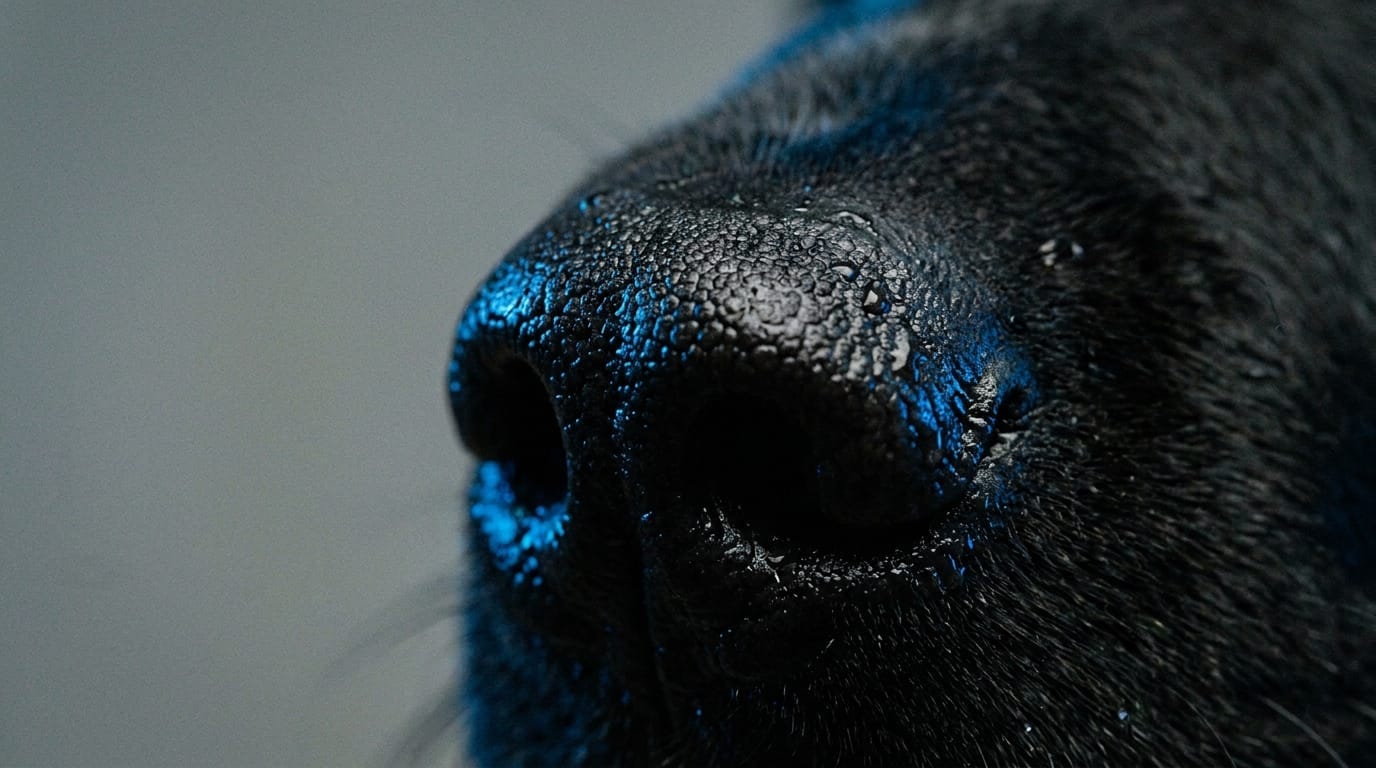
A dog's primary sense is smell. With up to 300 million olfactory receptors compared to our meager six million, they don't just smell better-they see the world through scent. This chemical data stream provides a layer of reality that is completely invisible to us, detailing history, emotion, and intent.
Cats use scent as a social tool and a territorial marker. Scent glands on their faces, paws, and tails deposit pheromones on objects, other animals, and you. When a cat rubs against your leg, it is an act of ownership, marking you as part of its territory and social group.
Scent works through time. A dog can smell where you walked hours ago, who you met, and even your emotional state from the chemical residue you left behind. This isn't memory; it's reading a story written in molecules, a detailed report of the past that is still present to them.
A Symphony of Sound
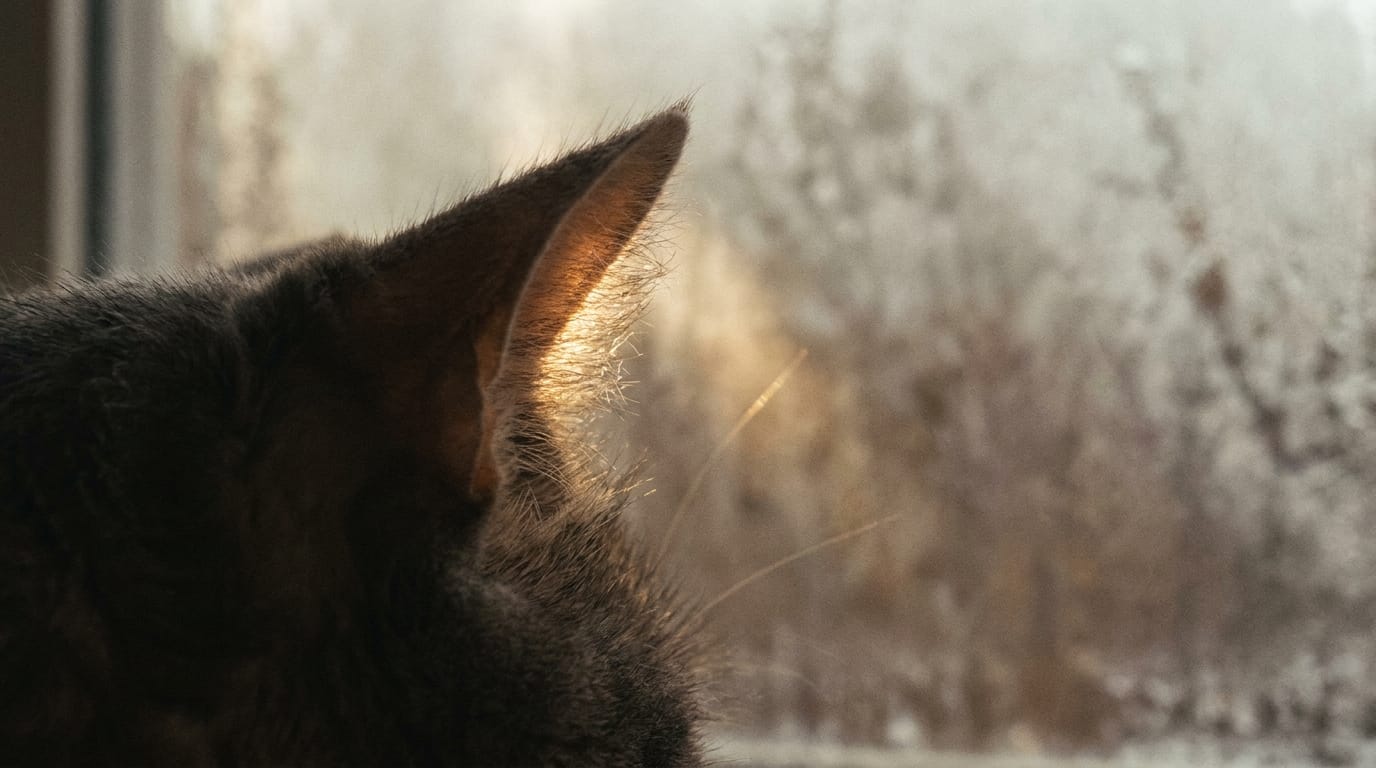
The world is not as quiet as you think. Dogs hear frequencies up to 65,000 Hz, and cats can detect sounds up to 85,000 Hz, far beyond the 20,000 Hz limit of human hearing. The high-pitched squeak of electronics or the ultrasonic chatter of rodents are part of their normal acoustic environment.
This extended hearing range is a survival tool. For a predator like a cat, the faint rustle of a mouse under floorboards is a loud and clear signal. For prey animals, the high-frequency alarm call of another species can mean the difference between life and death.
The physical structure of their ears is also a key advantage. Most predatory animals can pivot their ears independently, like radar dishes. This allows them to triangulate the exact location of a sound with pinpoint accuracy, a feat impossible for humans without turning their entire head.
An Alternate Visual Reality
Forget the old myth about black-and-white vision. Dogs and cats see in color, but their spectrum is different. They are dichromats, perceiving the world primarily in shades of blue and yellow, making them effectively red-green colorblind. A bright red ball on a green lawn can be difficult for them to distinguish.
Their vision is optimized for low-light conditions. A reflective layer behind the retina, the tapetum lucidum, acts like a mirror, bouncing light back through the eye to give photoreceptors a second chance to capture it. This is what causes their eyes to glow in the dark and grants them superior night vision.
Many animals perceive light that is entirely invisible to us. Birds, bees, and some rodents can see ultraviolet (UV) light. This allows them to see patterns on flowers that guide them to nectar, track urine trails of prey, and identify potential mates with markings we cannot comprehend.
- Your pet's world is built on sensory data you cannot access.
- Seemingly strange behaviors are often logical reactions to that data.
- Understanding their senses is the first step to truly understanding them.

Comments ()