

Beyond the Heat Lamp: Creating a Bioactive Vivarium for Your Reptile’s Optimal Health
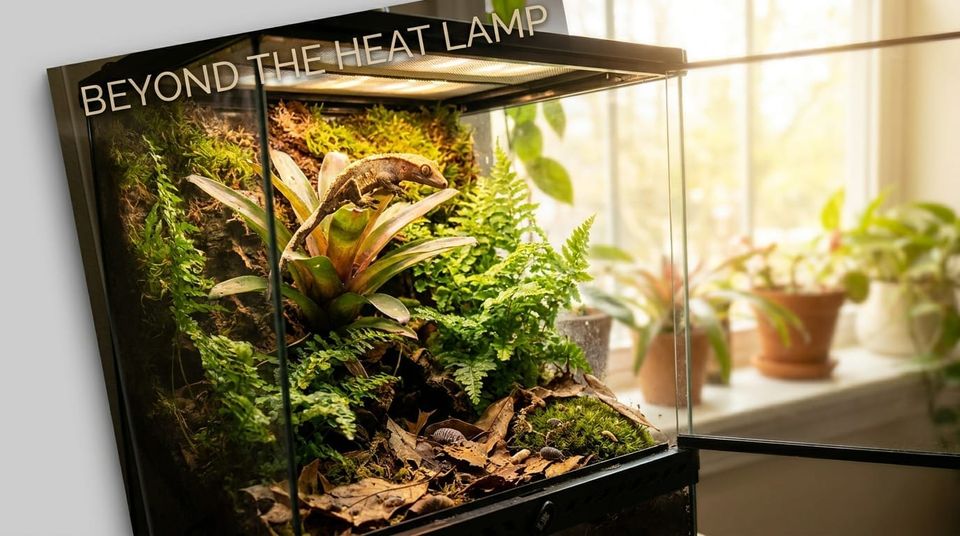
The hum is constant. A low, electric thrum from the heat lamp that paints one corner of the glass box in a perpetual, artificial daylight. Below, on a bed of dry aspen shavings or sterile reptile carpet, your leopard gecko moves with deliberate steps. You change the water, you spot-clean the waste, you replace the substrate on a strict schedule. It’s clean, it’s safe, it’s… sterile. Now, imagine something different. Imagine the scent of damp earth and living foliage when you open the enclosure. Picture your crested gecko navigating a network of real branches and broad-leafed Pothos, its movements mirroring those of its wild cousins. See tiny, industrious isopods scurrying beneath a piece of cork bark, diligently turning waste into nutrients for the soil. This isn't just a cage; it's a living, breathing ecosystem in miniature.
This is the essence of a bioactive vivarium. It moves beyond simply housing your animal to creating a self-sustaining environment that replicates their natural world as closely as possible. The concept revolves around a simple but brilliant partnership. Your reptile is the primary resident, but they share their home with a carefully selected team of microfauna-often called the 'cleanup crew'-and live plants. This team works around the clock. The cleanup crew, typically composed of springtails and various isopod species, consumes animal waste, shed skin, and leftover food. In doing so, they break down organic material and return nutrients to the soil, which in turn feeds the live plants. The plants help maintain humidity, provide oxygen, and offer naturalistic cover and climbing opportunities for your reptile.
The result is a more enriching, stimulating, and beautiful habitat for your pet, and a surprisingly low-maintenance system for you. Instead of performing complete substrate changes, you simply prune plants, add leaf litter, and enjoy a balanced ecosystem that largely takes care of itself. It’s a profound shift in reptile keeping, moving from a mindset of constant sanitation to one of managed, naturalistic cycles. By building a tiny piece of the wild in your home, you offer your reptile an environment where it can exhibit natural behaviors, from burrowing in rich soil to exploring dense foliage, leading to a healthier and more engaged animal.
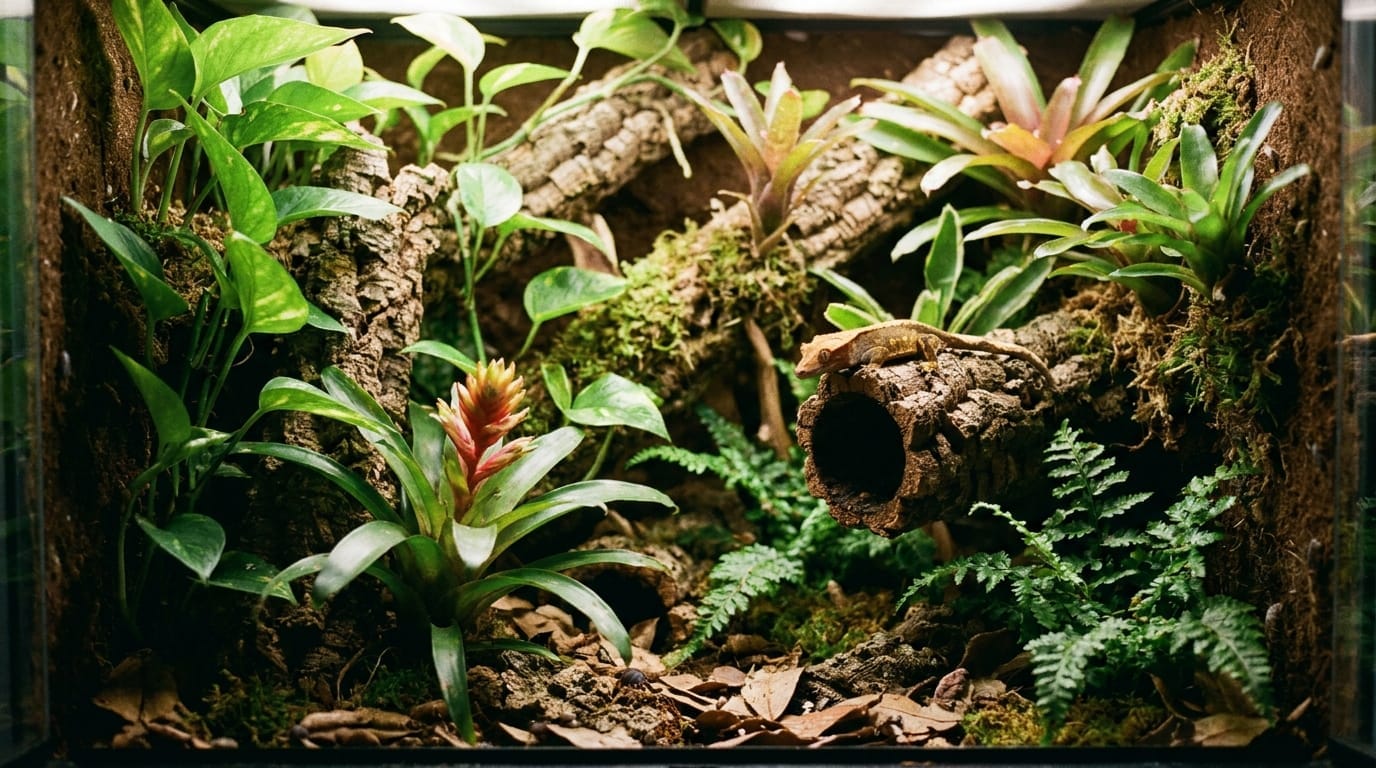
- What is a Bioactive Vivarium? A self-sustaining habitat for a reptile that includes live plants and microfauna (the 'cleanup crew') to break down waste.
- Key Components: The setup requires a reptile, reptile-safe live plants, and a cleanup crew of organisms like isopods and springtails.
- Primary Benefit: It creates a naturalistic, enriching environment that requires less frequent deep cleaning than a sterile setup because the ecosystem manages its own waste.
- The Goal: To mimic the reptile's native environment, encouraging natural behaviors and promoting overall well-being.
Frequently Asked Questions
What exactly is a 'cleanup crew' and what does it do?
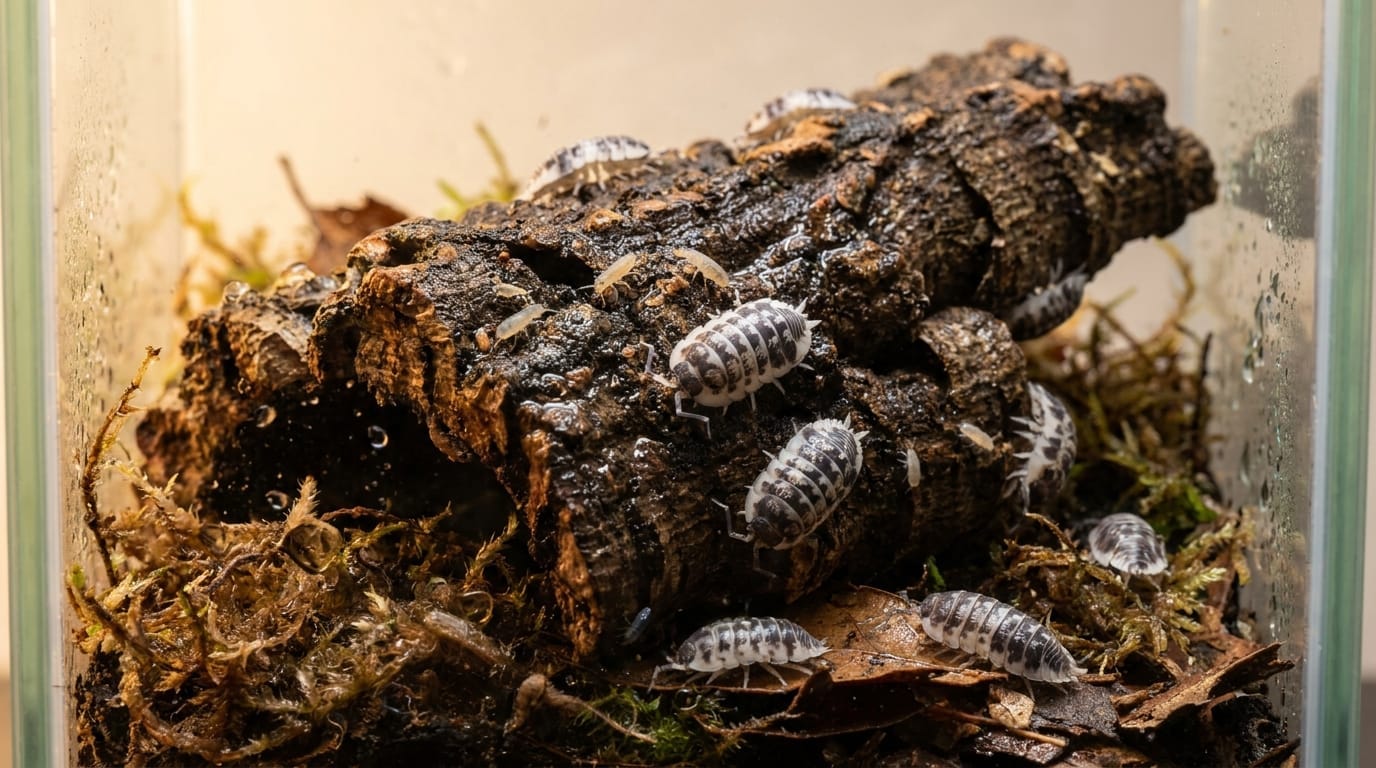
The 'cleanup crew' is the engine of any bioactive system. It’s a colloquial term for the detritivores-tiny invertebrates that consume decaying organic matter. The two most common members are isopods (a type of terrestrial crustacean, like pill bugs) and springtails (tiny, six-legged arthropods). Isopods are the heavy lifters, breaking down larger waste like reptile feces and shed skin. Springtails are mold-eaters, consuming fungus and spores that can grow in a humid environment, keeping the vivarium clean and healthy on a microscopic level.
This symbiotic relationship is what makes the system self-sustaining. The reptile produces waste, the cleanup crew consumes it, and their own waste acts as a natural fertilizer for the live plants. You must select a species of isopod appropriate for your reptile's environment-some prefer high humidity, while others are adapted to more arid conditions. Establishing a healthy, thriving population of these micro-janitors is the first and most important step to a successful bioactive setup.
How do I choose the right plants for my vivarium?
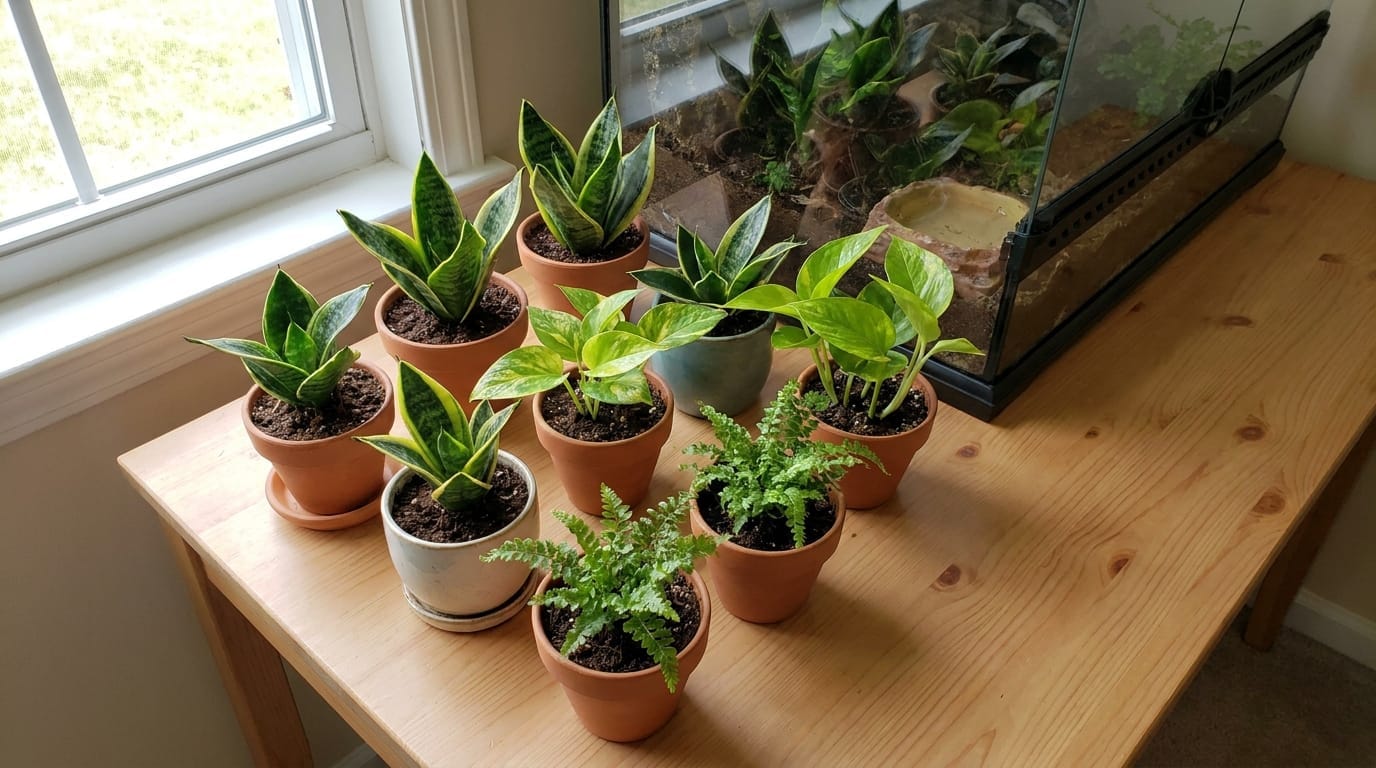
Plant selection is about balancing aesthetics, function, and safety. The number one rule is that any plant you introduce must be non-toxic to your specific reptile species. Many common houseplants are poisonous if ingested, so thorough research is non-negotiable. Beyond safety, you need to match the plants to the environment you’re creating. A tropical setup for a crested gecko will need plants that love high humidity and lower light, like Pothos, Bromeliads, and various ferns. An arid environment for a leopard gecko would require drought-tolerant succulents like Haworthia or Gasteria.
Consider the plant's structure as well. Sturdy plants with strong stems can provide climbing opportunities and anchor points for arboreal species. Broad-leafed plants offer hiding spots and shade, helping your reptile feel secure. It's always a good idea to wash new plants thoroughly and repot them in an appropriate bioactive substrate before adding them to the vivarium to remove any pesticides or unwanted hitchhikers.
What kind of substrate is best for a bioactive setup?
The substrate in a bioactive vivarium is far more than just floor covering-it’s the foundation of the entire ecosystem. It needs to support plant roots, retain a specific level of moisture, and provide a home for the cleanup crew. For this reason, substrates like aspen, sand, or reptile carpet won't work. Most keepers use a specialized soil mix, often referred to as an 'ABG mix' (named after the Atlanta Botanical Garden). This mix typically contains peat moss, sphagnum moss, charcoal, and orchid bark, creating a substrate that holds humidity without becoming waterlogged.
For most setups, especially tropical ones, a drainage layer at the very bottom is also recommended. This layer, usually made of lightweight clay aggregate (LECA) or gravel, is separated from the soil by a mesh screen. It collects excess water, preventing the soil from becoming saturated and anoxic, which would kill plant roots and harm the cleanup crew. The substrate depth should be sufficient for plants to root and for your reptile to engage in natural burrowing behaviors if that’s part of its nature.
Is a bioactive vivarium harder to maintain than a traditional one?
This is a common question, and the answer has two parts. The initial setup of a bioactive vivarium is definitely more complex and time-consuming than a sterile one. It involves layering substrate, planting, and allowing the cleanup crew and plants to become established before introducing the reptile. However, once the ecosystem is mature and balanced, the long-term maintenance is often significantly easier. The endless cycle of full substrate changes is eliminated.
Instead of deep cleans, your main tasks become spot-cleaning the glass, pruning plants as they grow, and occasionally replenishing the leaf litter that provides food and cover for your cleanup crew. You still need to provide fresh water daily and feed your reptile, of course, but the enclosure itself does most of the housekeeping. Many keepers find that the initial effort pays off with a more stable, beautiful, and less work-intensive habitat down the road.

Comments ()