

Canine vs. Feline Intelligence
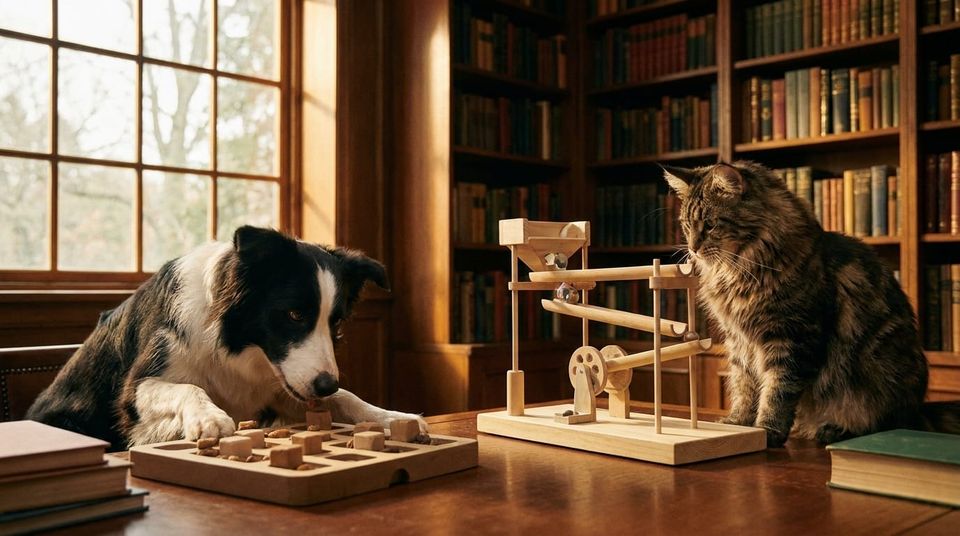
Canine vs. Feline Intelligence
Let's be honest, you've probably wondered about it. As you watch your dog master 'shake' in five minutes or your cat flawlessly execute a plan to knock your favorite pen off the desk, the question pops up: who's the real brainiac of the house? It's one of the oldest, most lighthearted debates in the pet world, and everyone seems to have an opinion, usually biased toward the furry friend currently curled up on their lap.
But what if I told you that trying to declare a single winner is like asking whether a hammer is a better tool than a screwdriver? They're both incredibly useful, just designed for completely different jobs. The same goes for our beloved dogs and cats. Their intelligence isn't a simple number on a scale; it's a beautiful, complex set of skills shaped by thousands of years of evolution for very different purposes. So, let's pour a fresh cup of coffee and look at what makes each of them a genius in their own right.
The Case for Canine Cleverness

When we think of animal intelligence, our minds often jump straight to dogs, and for good reason. For centuries, we've bred them to work alongside us, herding sheep, guarding homes, and retrieving game. This has made them exceptionally good at one thing: understanding humans. They're social savants, wired to pick up on our body language, tone of voice, and even our intentions.
This cooperative spirit is the bedrock of their intelligence. A dog's desire to please you is a powerful motivator for learning. It's why they can learn complex chains of commands and even the names of hundreds of different toys. They're not just memorizing; they're actively trying to figure out what we want from them. It’s a form of social intelligence that is truly remarkable and speaks to the deep, co-evolutionary bond we share.
What Makes a Dog's Mind Tick?
Think about all the ways your dog shows off their smarts. It’s not just about obedience school tricks. Their intelligence is woven into their everyday interactions with us and the world around them. They are masters of social learning and communication.
- Understanding Language: Studies show that many dogs can understand a surprising number of human words. They process our words and the tone we use to say them in different parts of their brain, much like we do.
- Reading Human Cues: A dog can follow a pointed finger to find a hidden treat, a surprisingly complex cognitive skill that even some primates struggle with. They are watching you, and they're learning from what you do.
- Emotional Intelligence: You're not imagining it. Your dog really does seem to know when you're sad. They are incredibly attuned to human emotions and often respond with comforting behaviors.
The Argument for Feline Finesse
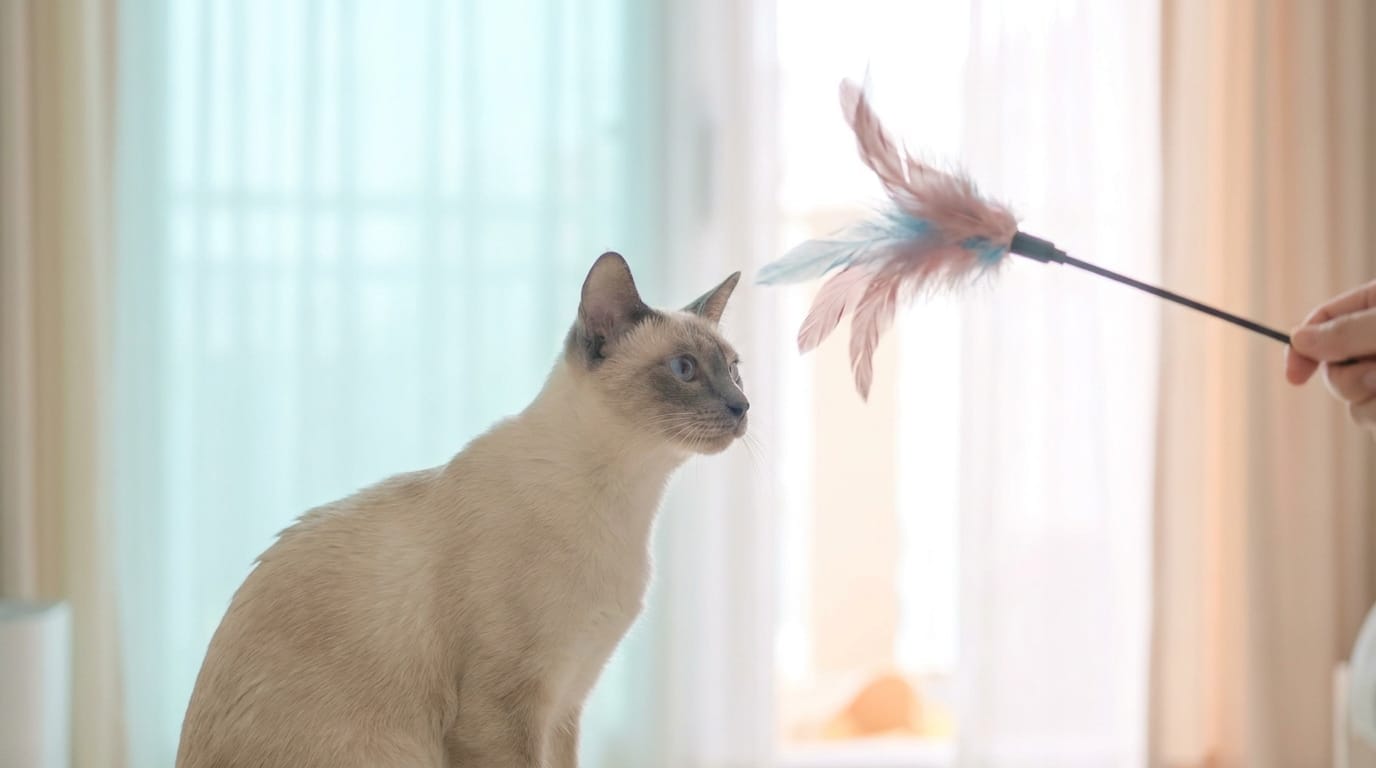
Now, let's turn to our feline friends. Cats often get a bad rap in the intelligence department because they're not as overtly eager to please as dogs. But confusing independence with a lack of smarts is a huge mistake. Cats are not pack animals; they evolved as solitary hunters. Their intelligence is less about cooperation and more about independent problem-solving and survival.
A cat's brain is geared toward observation, planning, and precise execution. Watch a cat trying to get to a toy on a high shelf. You can practically see the gears turning as they assess the distance, plan their route, and calculate the perfect jump. They are patient, cunning, and learn by watching and then doing. This is a different flavor of intelligence-it's subtle, self-serving, and incredibly effective for the life of a predator.
Unpacking the Feline Mind
Your cat's cleverness might not be as in-your-face as a dog's, but it's there in every calculated move and quiet observation. They are masters of their physical world and have a memory that would put many of us to shame.
- Object Permanence: Your cat knows that mouse toy still exists even after you've hidden it under the rug. This understanding, which develops in human babies around eight months, is a key sign of cognitive ability.
- Cause and Effect: Cats are brilliant at learning cause and effect. If meowing at the pantry door gets it to open, you can bet they'll remember and repeat that behavior. They are quick learners when the reward is right.
- Long-Term Memory: Cats have excellent long-term memories, especially when it comes to experiences tied to strong emotions, both good and bad. They remember the person who was kind to them and the carrier that took them to the vet.
So, What Does Science Say?
If we're just counting neurons-the 'thinking cells' in the brain-then dogs have a distinct advantage. A 2017 study found that dogs have more than twice as many neurons in their cerebral cortex as cats do. On paper, this suggests they have a greater capacity for complex thought. But here's the thing: intelligence is so much more than just raw brainpower. It's about how an animal uses what it has to thrive in its environment.
Measuring animal intelligence is notoriously tricky because we tend to design tests based on what we value. We praise a dog for fetching a ball on command because that's a skill we find useful and impressive. A cat, on the other hand, might see no logical reason to perform such a task. They're not failing the test; they're simply refusing to take a test that doesn't make sense to them. Their intelligence is optimized for a different lifestyle, one that requires stealth, independence, and a keen understanding of their territory.
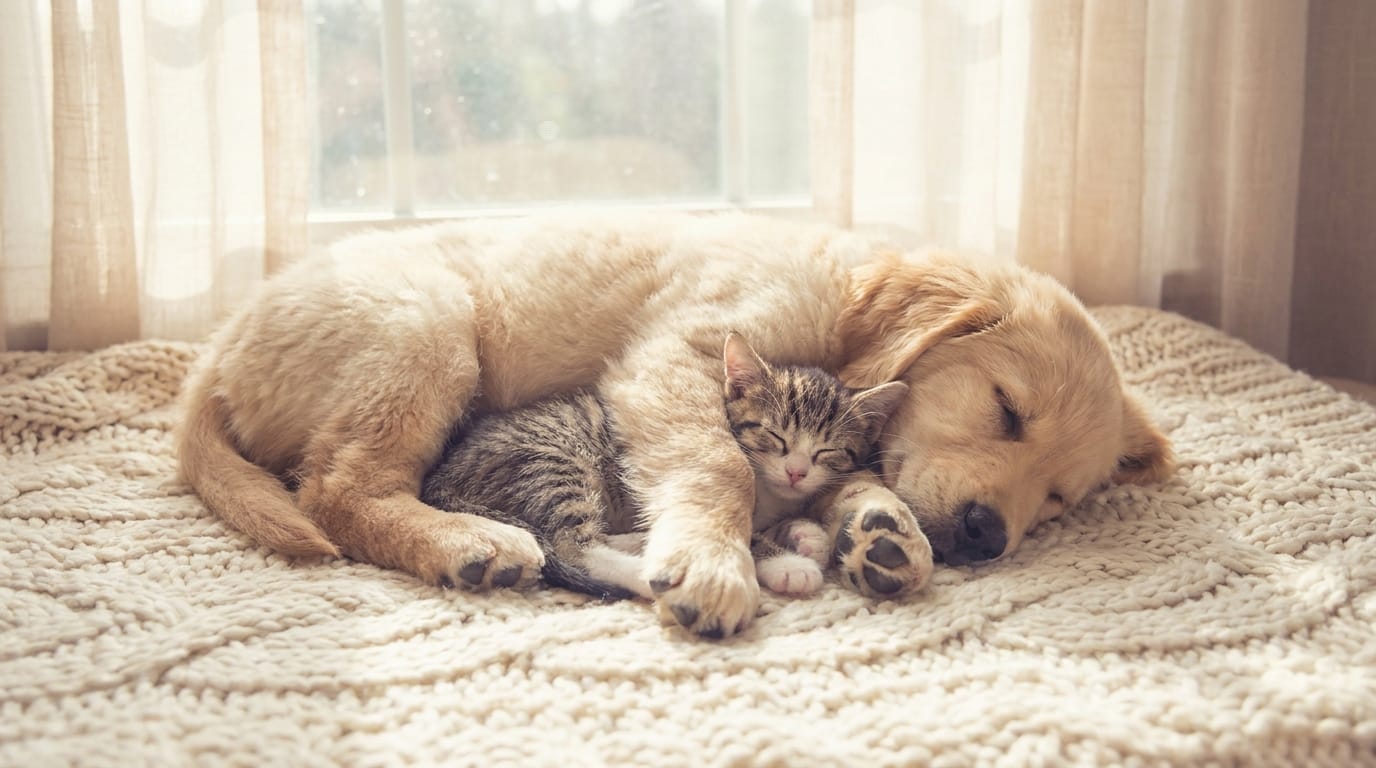
Ultimately, comparing their brains is like comparing apples and oranges. Dogs are social collaborators, with brains wired for teamwork and communication with us. Cats are solitary strategists, with brains wired for observation, patience, and independent action. Both are perfectly intelligent for the ecological niche they evolved to fill. One isn't 'better' than the other; they are simply, and beautifully, different.
The most important thing isn't which species wins some imaginary intellectual contest, but how you connect with the wonderful animal you share your life with. Appreciating your dog's devotion and ability to read your moods or admiring your cat's clever problem-solving and graceful independence is what really matters. Their unique form of intelligence is part of what makes your bond with them so special and rewarding.
So, the next time someone asks you who's smarter, you can just smile. The real answer is that you're lucky enough to have a small genius-whether a canine or a feline one-living in your home. And remember, while it's fun to explore how our pets think, this is all for entertainment. If you ever have real concerns about your pet's health or behavior, the best brain to consult is always your veterinarian's.

Comments ()