

Common Breeds, Uncommon Quirks

When selecting a companion, we often choose a breed based on its well-known reputation-the loyalty of a German Shepherd, the energy of a Border Collie. Yet, living with these animals often reveals a set of behaviors that can seem baffling or even problematic to the unprepared owner. These are not random personality flaws; they are echoes of the breed's original purpose, hardwired instincts that persist long after the job they were designed for has vanished from their daily lives.
Understanding these deep-seated traits is fundamental to responsible and effective pet care. A behavior that seems like a simple quirk is actually a window into your dog's genetic heritage. By recognizing the 'why' behind the action, we can provide better outlets for their energy, manage their environment more effectively, and build a stronger bond based on mutual understanding rather than frustration. This is not about training the instinct out of the dog, but about learning to work with it.
The Working Mind in a Modern Home
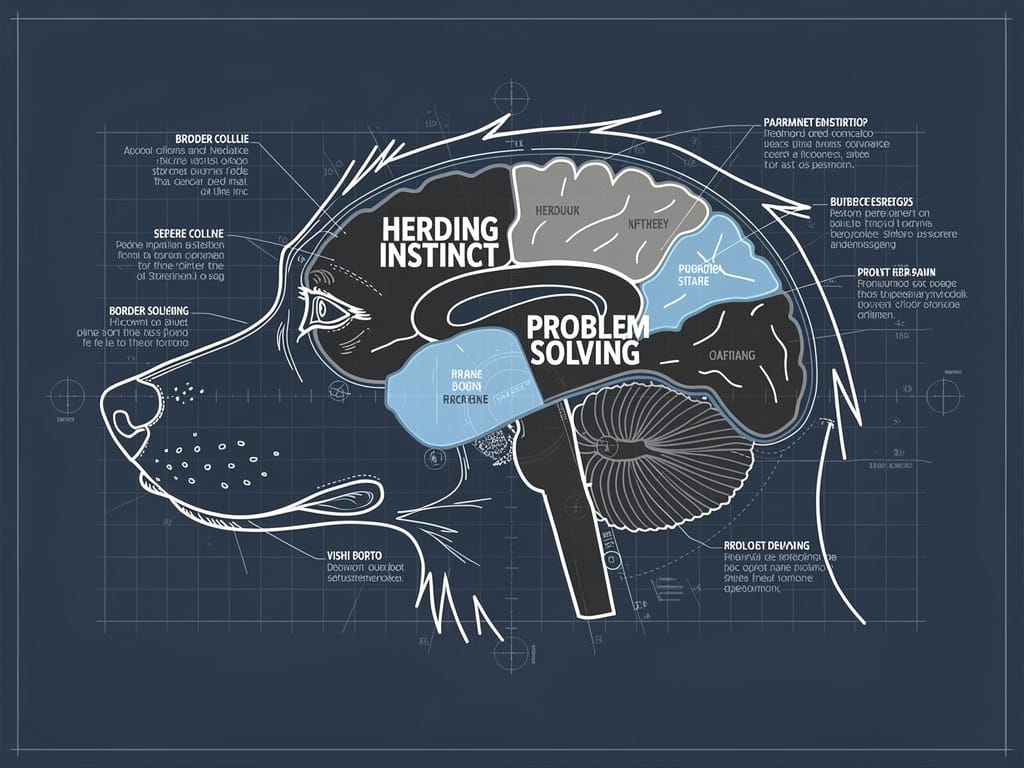
Many popular breeds come from a long line of working ancestors. While they may now live a life of leisure on the living room sofa, their minds and bodies are still programmed for a job. This disconnect is the source of many common behavioral puzzles.
- The Border Collie's Intense Stare
This breed was developed to control livestock with an intimidating, focused gaze. This instinct doesn't disappear just because there are no sheep in the backyard.
- This 'eye' behavior can be redirected towards toys, but you may also find your Collie staring intently at children, other pets, or even moving cars in an attempt to control their movement.
- Their intelligence requires an outlet. Without puzzles, training, or a 'job' to do, they can develop compulsive behaviors out of sheer boredom and unused mental capacity.
- The German Shepherd's 'Mouthiness'
Often mistaken for aggression, German Shepherds tend to use their mouths to explore and interact with the world, much like a human uses their hands. This is a trait rooted in their need to grip and guide.
- This is different from biting. It's a gentle but firm holding that they use on people and objects they are investigating. Proper training involves teaching them bite inhibition and providing appropriate chew toys.
- Their famous loyalty also manifests as a deep-seated need to protect their territory and family, often through loud, authoritative barking that can seem excessive without context.
Instincs That Defy Appearance
Some breeds possess powerful instincts that seem completely out of proportion with their modern roles or physical size. These traits are not to be underestimated and require specific management techniques.
- The Dachshund's Burrowing Obsession
Their name literally means 'badger dog' in German. These small hounds were bred to be fearless hunters, chasing prey into underground burrows.
- This explains their persistent need to dig in blankets, pillows, and couch cushions. They are not being destructive; they are fulfilling a powerful genetic command to burrow.
- Their surprisingly deep and loud bark was also a tool, designed to alert hunters above ground to their location. Providing them with a 'digging box' or designated blankets can save your furniture.
- The Beagle's Selective Hearing
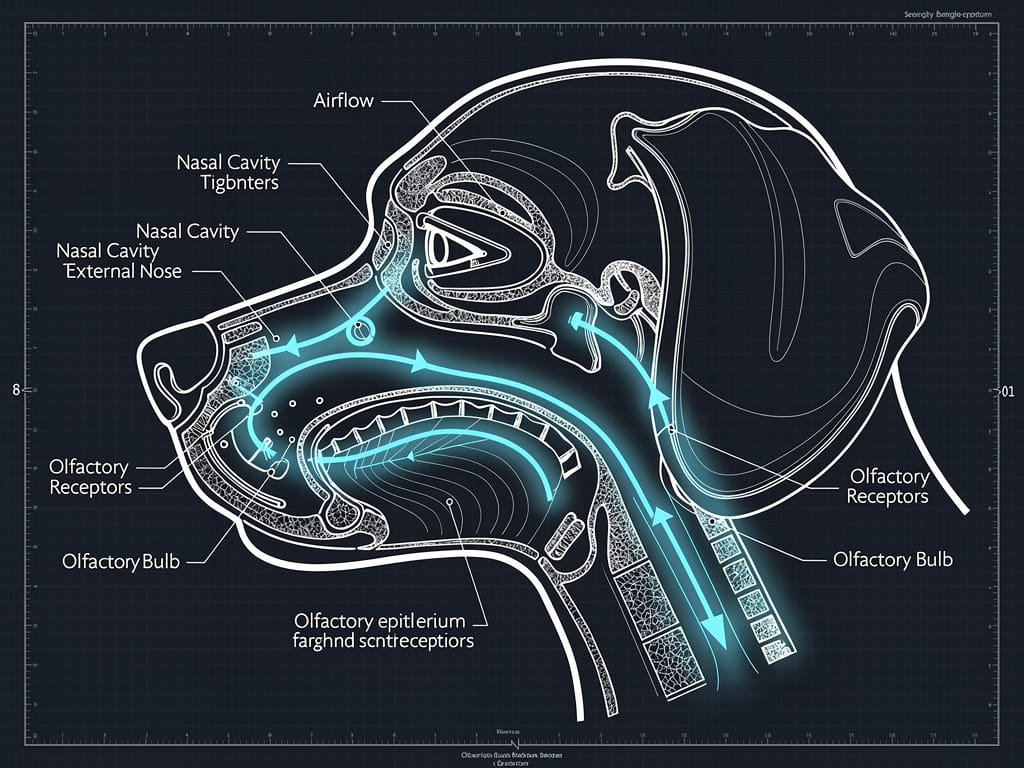
A Beagle that ignores your call is not being stubborn. When its nose detects an interesting scent, its brain is completely consumed by the task of tracking it. This is what it was bred for.
- Their world-class olfactory system is so dominant that it can override almost all other senses, including hearing. This is why a Beagle should never be off-leash in an unenclosed area.
- The classic Beagle 'bay' is not a typical bark. It's a specific vocalization used to alert the hunting pack that they have found a scent trail, a sound they are compelled to make.
By appreciating these historical imprints, we can reframe our pet's behavior. The 'naughty' dog digging in the cushions or the 'disobedient' one ignoring a command is often just an animal acting in perfect accordance with its design. Acknowledging their heritage is the first step toward providing them with an environment where their instincts are a source of enrichment, not conflict.

Comments ()