

Decoding Noise Anxiety
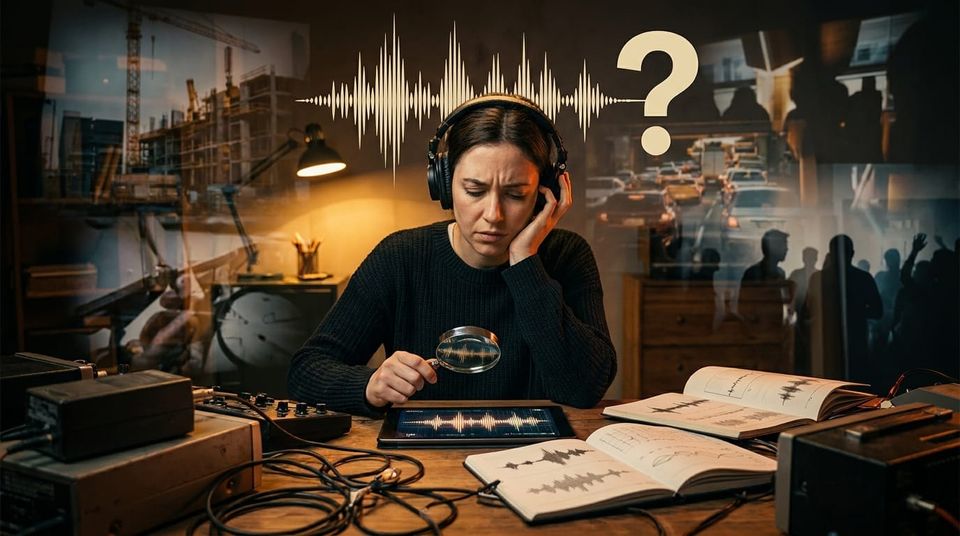
It’s absolutely gut-wrenching to watch your best friend tremble and hide during a thunderstorm or a night of fireworks. You feel so helpless, and they look so terrified. But here's the good news: you're not powerless. Understanding what's happening in their head is the first step, and from there, you can build a solid plan to help them feel safe and secure, even when the world outside gets loud.
Pro Tip #1: Build a Safe Haven
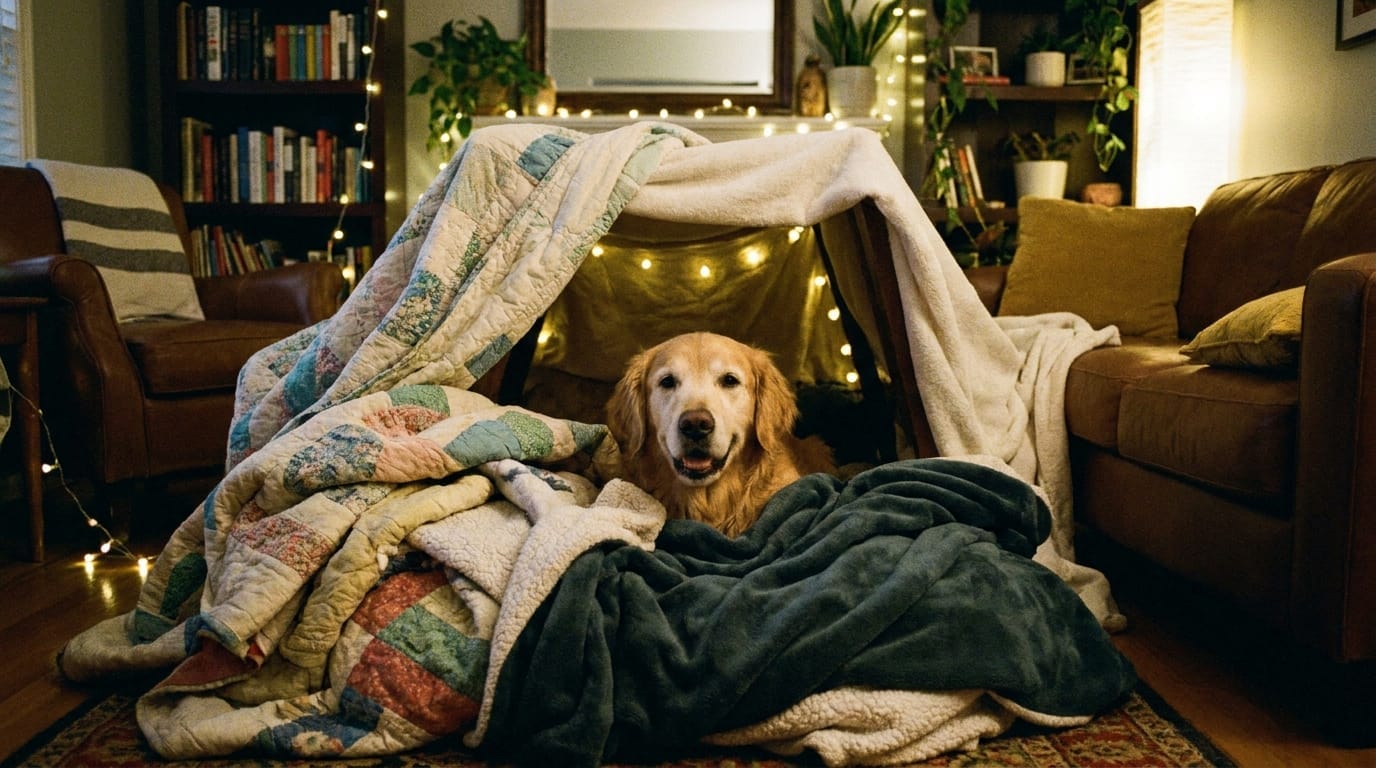
Every pet needs a 'bunker' - a cozy, den-like space where they can retreat when they feel overwhelmed. This could be a crate covered with a heavy blanket, a spot in a closet with their favorite bed, or even a pillow fort you build together. The key is to make it their space, available all the time, so they know exactly where to go to feel protected when scary sounds start.
Pro Tip #2: Muffle the Outside World
You can't stop the storm, but you can control the soundscape inside your home. Drown out the sharp, unpredictable bangs with consistent, calming background noise. Turn on a box fan, play some classical music, or use a white noise machine to create a buffer that softens the jarring sounds from outside, making them much less threatening.
Pro Tip #3: Consider Calming Gear
For some pets, a little bit of pressure works wonders. Anxiety vests or wraps, often called 'thundershirts', apply gentle, constant pressure to your pet's torso, which can have a surprisingly calming effect, much like swaddling an infant. It's not a magic fix for everyone, but for the right animal, it can be a total game-changer.
Pro Tip #4: Be a Calm Anchor, Not an Amplifier
This one feels counterintuitive, but it's so important. When your pet is panicking, your first instinct is to scoop them up and shower them with frantic 'it's okay!' reassurances. Unfortunately, this can signal to them that there really is something to be scared of. Instead, project calm confidence through your body language and speak in a normal, soothing tone to show them you're not worried.
Pro Tip #5: Re-Wire Their Brain with Good Things
You can slowly change their association with scary noises through a process called counter-conditioning. Find a recording of thunder or fireworks and play it at a super low volume - barely audible - while you're doing something they love, like playing with a favorite toy or giving them high-value treats. Over many sessions, you can gradually increase the volume, helping them learn that the sound predicts good things, not danger.
Pro Tip #6: Don't Be Afraid to Ask for Help
Noise anxiety is a genuine phobia, and sometimes you need to bring in a professional. Your veterinarian is your best partner in this journey. They can rule out any underlying medical issues and discuss all the options, from natural calming supplements and pheromone diffusers to prescription medications for severe cases that can give your pet real relief.
Ultimately, managing noise anxiety isn't about finding a single cure, but about creating a multi-layered strategy of comfort, management, and gentle training. It's a combination of creating a safe environment, managing your own reactions, and actively working to build their confidence. By being their steady, predictable leader, you show them that no matter how loud the world gets, they're safe with you.

Comments ()