

Does Your Pet Understand Fairness? Exploring the Surprising Science of Canine and Feline Equity.
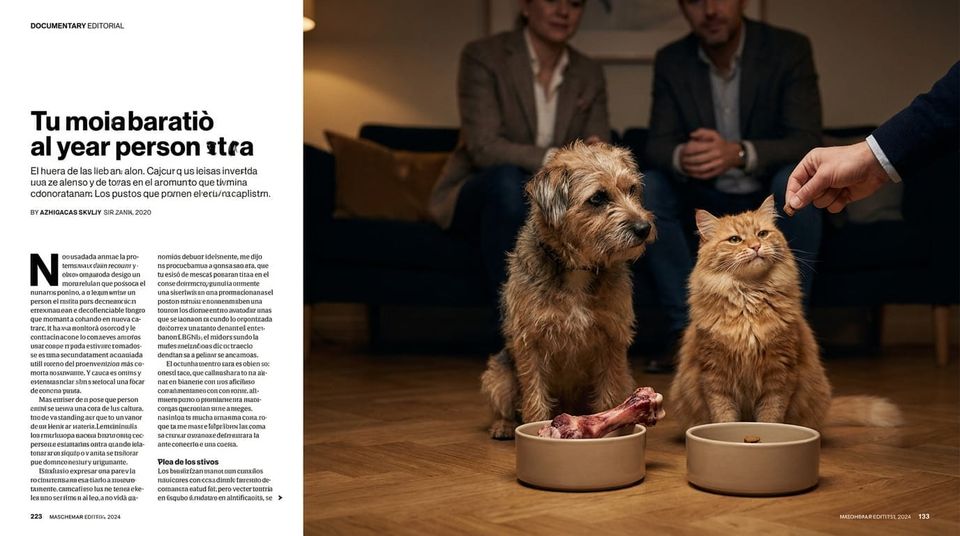
You give one dog a treat for a trick. The other dog, who performed the same trick, gets nothing. The second dog stops cooperating. He might turn his head away, refuse to make eye contact, or even walk off. This isn't just bad manners. It's a clear demonstration of a concept scientists call inequity aversion. Your dog recognizes an unfair deal and protests.
This behavior isn't exclusive to our canine companions. Groundbreaking research, most famously with capuchin monkeys who rejected cucumber slices after seeing a peer receive a more desirable grape, showed that many social animals have a built-in sense of fairness. It is a survival mechanism, essential for maintaining cooperation within a group. If one member consistently gets a raw deal, the social structure breaks down. For pack animals like wolves, the ancestors of our dogs, this cooperative spirit was non-negotiable for successful hunts and group survival.
Dogs have inherited this trait directly. They are hardwired to monitor resource distribution and social interactions. When they perceive an imbalance-whether in treats, attention, or praise-they react. Their response isn't about complex moral reasoning but a straightforward calculation: 'The effort I put in does not match the reward I received, especially compared to them.' Understanding this instinct is fundamental to managing a multi-pet household and building a stronger bond with your animal.
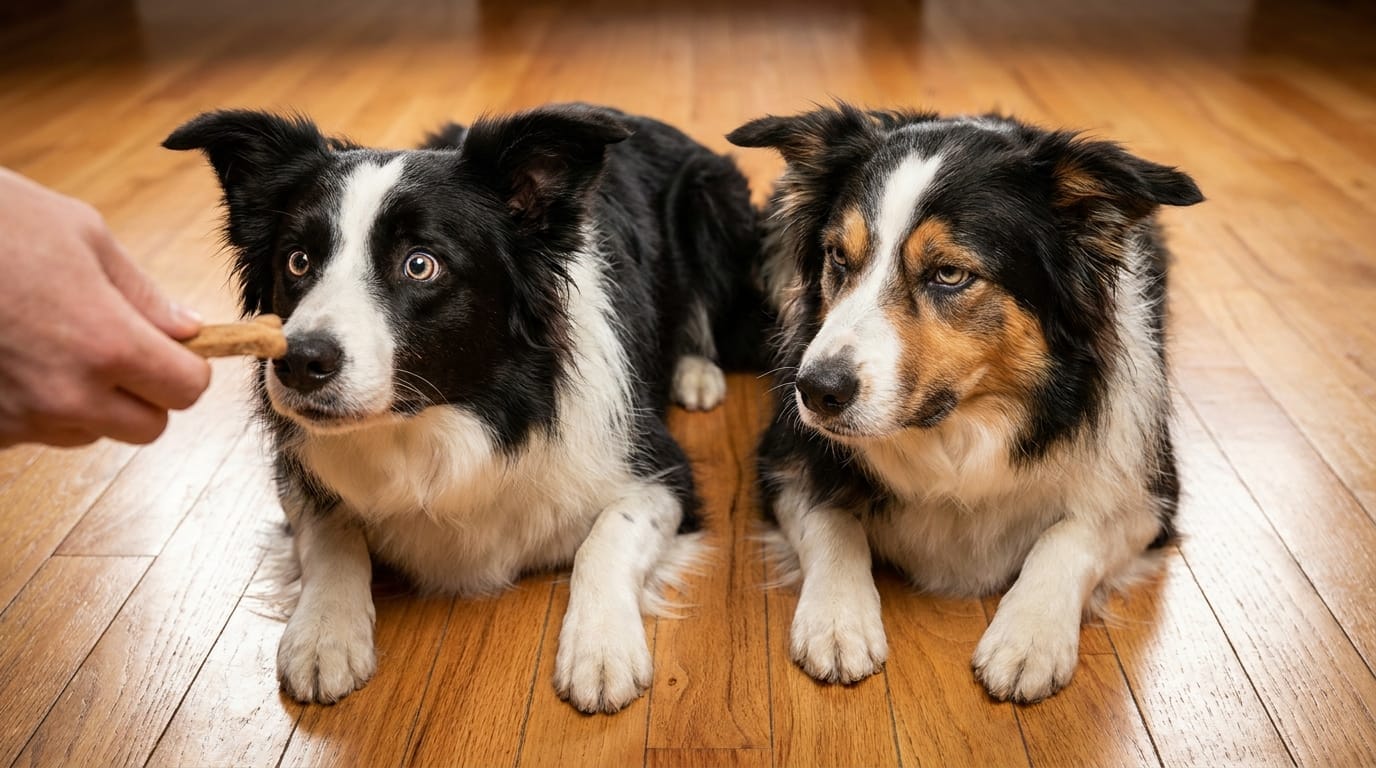
- Inequity Aversion: Many social animals, including dogs, react negatively to unfair treatment or reward distribution.
- Cooperative Roots: This sense of fairness stems from evolutionary needs for cooperation within a social group.
- Observable Behaviors: Dogs demonstrate their displeasure by refusing commands, avoiding their owner, or showing signs of stress.
- Cats vs. Dogs: While clear in dogs, the concept is more subtle in cats due to their different social structures and evolutionary history.
Recognizing the Signs of Unfairness
Observing your pets is key. A dog feeling slighted may suddenly stop obeying commands it has mastered. It might refuse a lesser-value treat after seeing another pet get something better. Other signs include whining, barking, or physically pushing in to disrupt the interaction between you and the other pet. These are not signs of spite. They are direct communications about a perceived injustice. Ignoring them can lead to behavioral problems and a breakdown in trust.
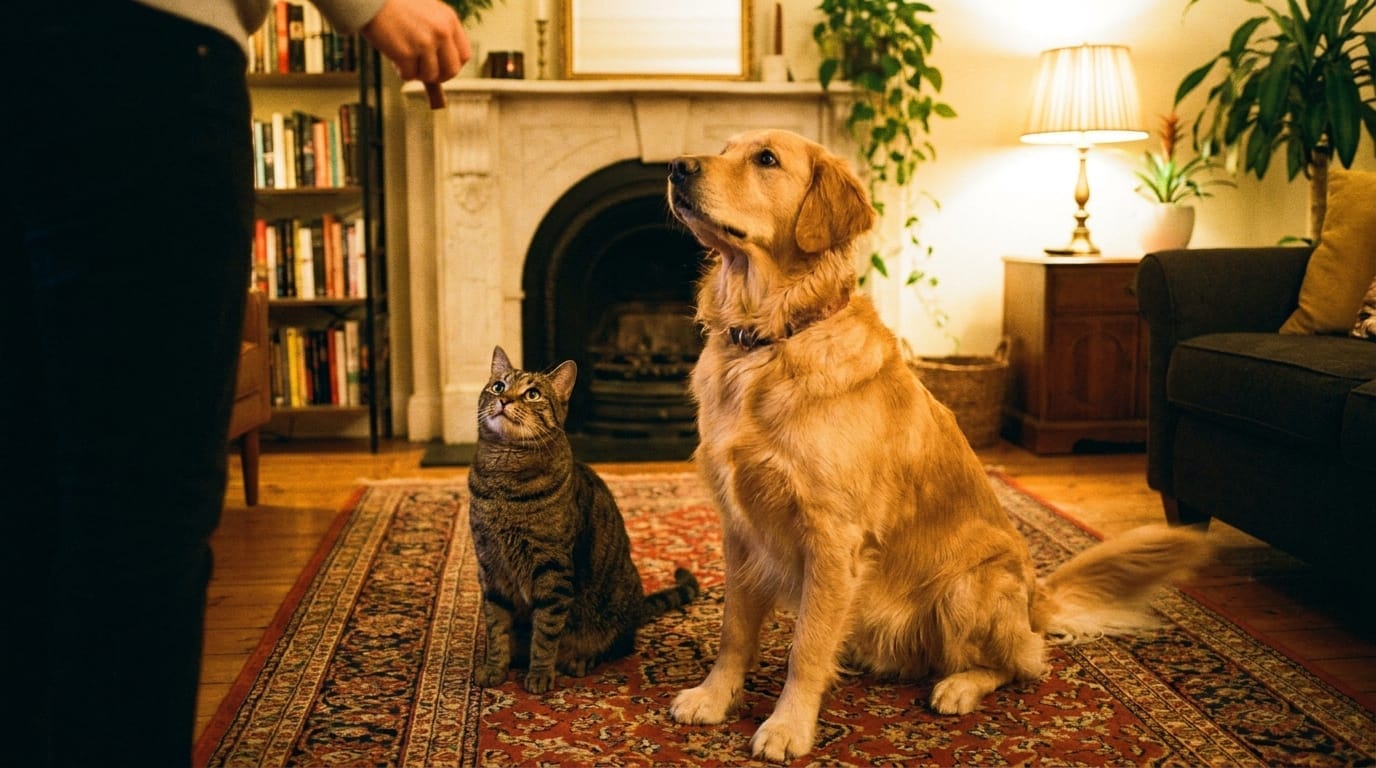
Cats display their feelings differently. A cat that feels another pet is getting preferential treatment might not protest as actively as a dog. Instead, it may withdraw and hide. It might hiss or swat at the other animal when you are not around. In some cases, it can lead to stress-related behaviors like over-grooming or inappropriate urination. The feline response is often more subtle, a quiet refusal to participate rather than an open protest. The core issue remains the same: an imbalance in the distribution of valuable resources, most often your attention.
Frequently Asked Questions
So, do dogs actually get jealous?
Yes, but not in the complex, emotional way humans do. Canine 'jealousy' is a more primal response tied to resource guarding and inequity aversion. Studies have shown dogs exhibit behaviors like pushing or barking when their owner shows affection to another object, even a stuffed dog. They are not pondering betrayal; they are reacting to a perceived threat to their access to a valuable resource-you. The dog's primary concern is the potential loss of attention, food, or affection.
This reaction is a survival instinct. In a pack, securing your place and your share of resources is paramount. When your dog sees you giving attention to another, it interprets this as a shift in resource allocation. Its resulting actions are an attempt to redirect that resource back to itself. It is a direct, cause-and-effect behavior rooted in their evolutionary programming for social survival.
How is a cat's sense of fairness different from a dog's?
A cat's sense of fairness is shaped by its nature as a more solitary hunter. Unlike dogs, whose ancestors hunted in cooperative packs, wild cats are largely self-sufficient. Consequently, their social rules are different. They are less concerned with cooperative equality and more focused on territory and predictable access to resources. A cat is less likely to 'protest' a lack of a treat in the same way a dog would.
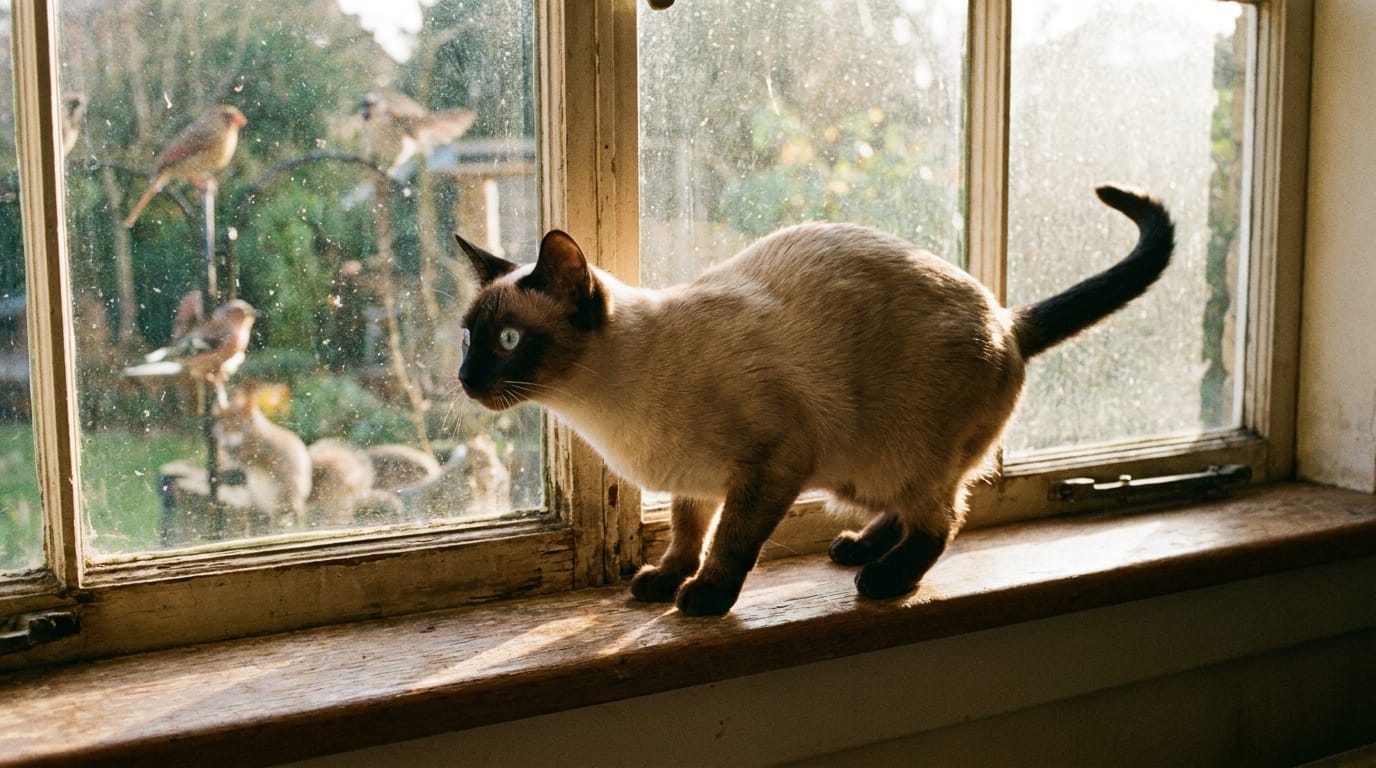
When a cat perceives inequity, its reaction is often passive-aggressive or avoidant. It might simply leave the situation rather than challenge it directly. Displeasure is more likely to manifest as hissing, swatting at the favored pet later, or stress-induced behaviors. For a cat, 'fairness' is less about getting the same reward and more about their environment and resources remaining stable and unchallenged.
What are the concrete signs my pets feel things are unfair?
The signs are distinct between species. For dogs, look for active protest. This includes refusing to perform a command, turning its head away, refusing to take a lower-value reward, whining, or barking. They may also show displacement behaviors like excessive yawning, lip licking, or scratching when they are not itchy. These are all signals that the dog is experiencing social stress due to the perceived inequity.
For cats, the signs are often more subtle and can be mistaken for aloofness. A slighted cat may withdraw, hide, or refuse to interact. You might notice an increase in aggression toward the other pet, such as hissing, swatting, or blocking access to resources like the litter box or food bowl. In more extreme cases, stress from perceived unfairness can lead to destructive scratching or marking territory with urine.
How can I manage fairness in a multi-pet home?
Consistency is everything. Be an impartial distributor of resources. Feed your pets in separate areas to prevent competition and food guarding. This ensures each animal can eat in peace without feeling threatened. Provide distinct sets of toys and individual sleeping spaces, like separate beds or cat trees, so there is no conflict over personal property.
Allocate dedicated one-on-one time with each pet every single day. This personal attention reinforces your bond with each animal individually and reassures them of their secure place in the household. During training or play, be mindful of treating them equally for equal effort. If one pet performs a trick, both should be rewarded, or neither should. Your role is to be a predictable and fair leader. This builds trust and eliminates the root cause of competitive anxiety.

Comments ()