

Does Your Pet Understand 'Mine'?
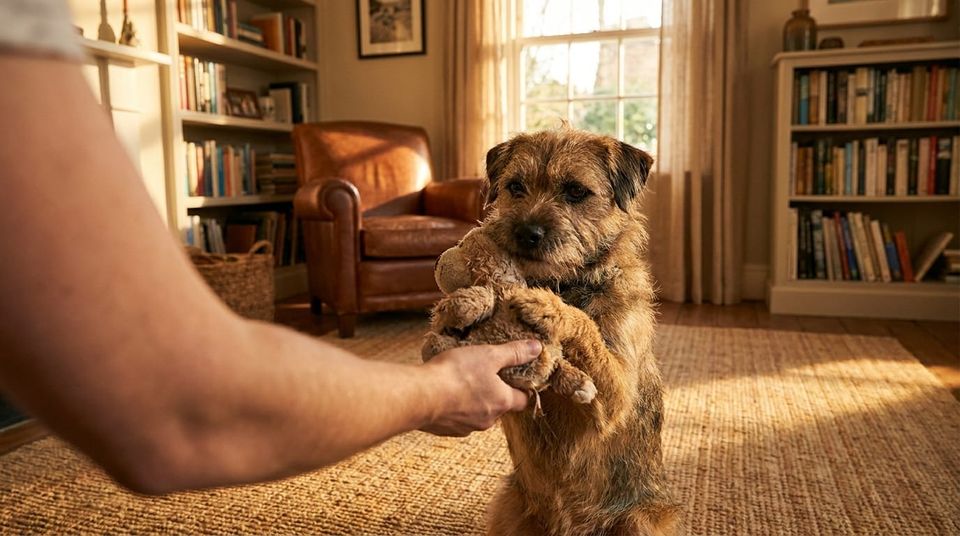
You see your dog grab a toy. You say, 'That's mine!' Does the dog understand? The short answer is no. Pets do not operate on human concepts of property. Their world is simpler. It is about resources, safety, and instinct. Attributing complex human emotions like jealousy or a sense of legal ownership to them is a mistake. Understanding this is the first step to better communication.
This is not a substitute for professional veterinary advice. Always consult a qualified veterinarian for any health concerns regarding your pet. Now, let's get to the facts.
Do animals grasp the concept of ownership?
Animals understand association, not ownership. A cat that favors a specific chair does not have a deed to it. It has learned that the chair is warm, safe, and offers a good view. The chair is a valuable resource associated with comfort. This connection is built through repetition and positive experience. They are not defending property; they are defending a resource that contributes to their well-being.
This is a critical distinction. When a dog protects its food bowl, it is not thinking, 'This food is my property.' It is acting on a powerful, instinctual drive to protect a life-sustaining resource. The behavior is rooted in survival. Recognizing this helps you see the action for what it is-instinct, not defiance. They learn what is 'theirs' based on what they are consistently allowed to have and use without conflict.
What does possessive behavior actually signal?
What you call 'possessiveness' is known as resource guarding. It is a normal, natural animal behavior. In the wild, the ability to protect food, a den, or a mate is essential for survival. This instinct does not disappear in a domestic setting. A growl over a chew toy is not personal. It is a distance-increasing signal. The animal is communicating its discomfort and asking for space.
This behavior can range from subtle actions like freezing or showing the whites of their eyes to overt aggression like snarling or snapping. It is a spectrum. The key is that the animal perceives a threat to a high-value item. That item could be food, a toy, a resting spot, or even a person. The behavior is a symptom of anxiety about losing that resource. It is not a moral failing or a sign of a 'bad' pet.
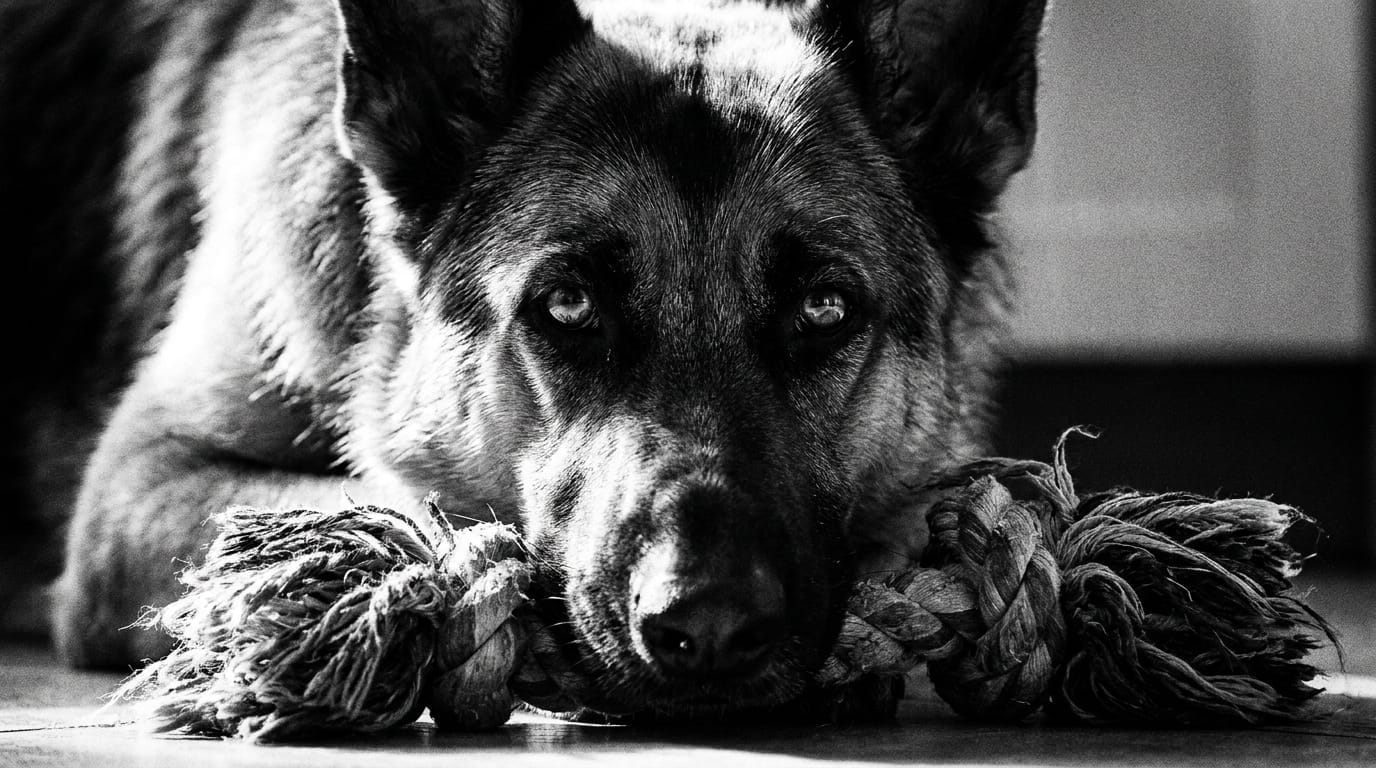
How should you manage resource guarding?
Never punish the growl. A growl is a warning. It is clear communication. If you punish the warning, you teach the animal not to give one. The next time, they may skip the growl and go straight to a bite. The goal is not to suppress the warning but to address the underlying anxiety. You must change the animal's emotional response.
Management is your first tool. Prevent the behavior from happening by controlling the environment. Do not leave high-value items lying around if they trigger guarding. The best long-term solution is training. Teach your dog a solid 'drop it' or 'leave it' command using positive reinforcement. Practice trading games. Offer them something better in exchange for what they have. This teaches them that your approach is not a threat, but an opportunity for something great. It builds trust, which is the foundation for solving the problem.

Comments ()