

Feline-Canine Diplomacy: Fostering a Genuine Friendship Between Your Cat and Dog at Home
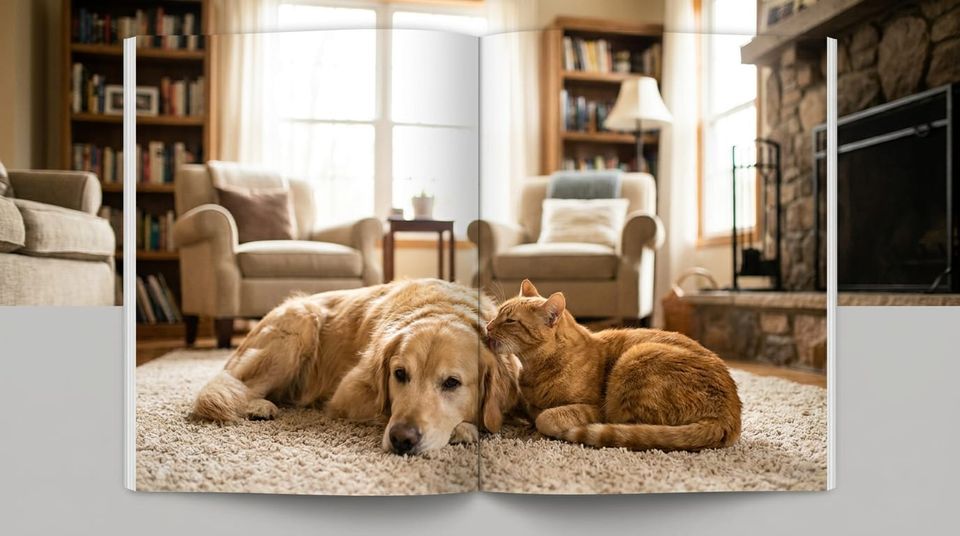
The low hum of the refrigerator. The faint click of claws on hardwood. The almost-invisible flick of a cat’s tail tip. The air is thick with unspoken questions. This is the moment of introduction, a delicate diplomatic meeting between two entirely different nations-one of playful, pack-oriented canines and one of solitary, observant felines. Bringing a new dog into a cat's established territory, or vice versa, isn't just about adding another pet; it's about merging two worlds.
The common dream is a heartwarming picture: a dog and cat curled up together, a perfect portrait of interspecies friendship. But the reality often begins with hissing, growling, and a frantic chase that ends with one animal under the couch and the other pacing anxiously. This initial tension is completely normal. Dogs are often boisterous and curious, while cats are cautious and territorial. Their languages are different, their instincts are at odds, and their first impressions can set the tone for years to come.
Understanding this fundamental difference is the first step toward building a bridge. It’s not about forcing a friendship but about carefully managing the environment to allow one to develop naturally. It requires patience, observation, and a solid plan. Forget the 'let them work it out' approach-that's a recipe for stress and potential injury. Instead, think of yourself as a skilled negotiator, creating the terms for a peaceful and lasting treaty in your own home.
This guide will give you the exact, step-by-step methods to manage this important process. We'll move beyond wishful thinking and into practical strategies that respect the nature of both your pets. By controlling the environment and facilitating positive experiences, you can guide them from being wary roommates to, hopefully, genuine companions.
The Step-by-Step Introduction Process
- Start with Scent: Before they ever see each other, let them get used to the other's smell. Swap their bedding or blankets for a few days. Rub a cloth on one pet and leave it in the other's space. Scent is a primary communication tool for both species, and this allows them to gather information and become familiar without the stress of a face-to-face meeting.
- Separate and Secure: For the first few days or even weeks, keep the new pet in a separate, secure room with its own food, water, litter box (for a cat), and toys. This gives the newcomer a safe 'home base' to decompress and allows the resident pet to get used to the sounds and smells from a distance.
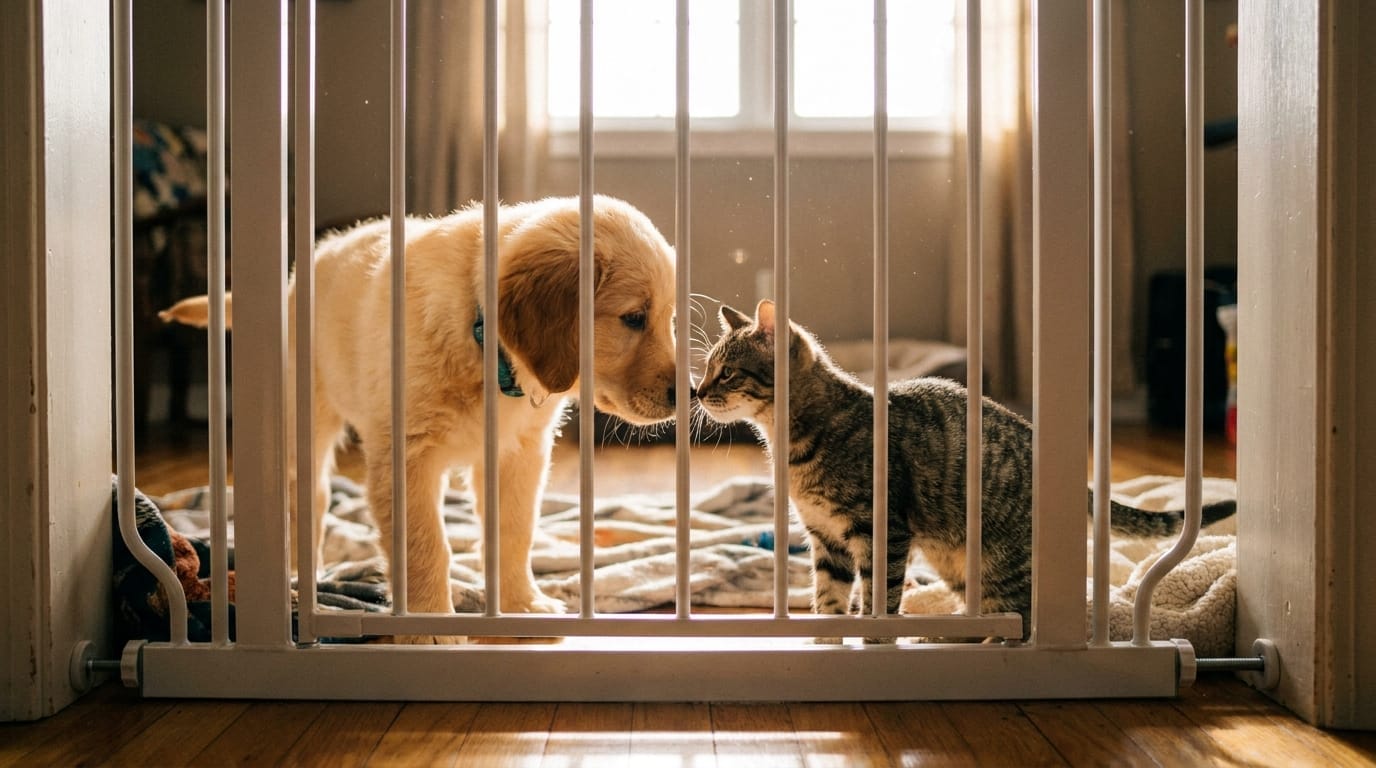
- Visual Contact Without Physical Access: Use a baby gate or a screen door to allow them to see each other without being able to interact physically. Keep these sessions short and sweet. The goal is for them to see each other and remain calm. If there's any hissing or intense barking, calmly end the session and try again later for a shorter duration.
- Create Positive Associations: During these visual meetings, give both pets high-value treats or their favorite meals. You want them to associate the sight of the other animal with something wonderful. This classical conditioning helps rewire their initial apprehension into positive anticipation.
- The First Leashed Meeting: Once they can see each other through the gate without reacting negatively, it's time for a controlled, on-leash meeting in a neutral space (like the living room). Keep the dog on a loose leash. Let them sniff each other for a few seconds, praise them for calm behavior, and then separate them. Keep it short and positive. End on a good note before either pet gets overwhelmed.
- Supervised Interaction: After several successful leashed meetings, you can allow them to interact off-leash, but only under your direct supervision. Ensure the cat always has an easy escape route to a high place or another room. Intervene calmly if the play gets too rough or if one animal seems stressed.
Reading the Room: Essential Body Language Cues

- For Your Cat: Watch for a twitching or thumping tail, flattened ears, hissing, or growling. Dilated pupils can indicate fear or arousal. A cat making itself look bigger by arching its back and raising its fur is a clear warning sign. Conversely, slow blinks are a sign of trust and relaxation.
- For Your Dog: A stiff body, a 'hard' stare, and a high, stiffly wagging tail are signs of arousal and potential aggression, not happiness. Other stress signals include yawning when not tired, excessive lip-licking, and showing the whites of their eyes ('whale eye'). A relaxed dog will have a soft body and a gentle, sweeping tail wag. A 'play bow' is a clear invitation to have fun.
- Red Flags to Watch For: Never ignore prolonged staring, stalking behavior (from either pet), or growling. These are clear communications that one or both animals are uncomfortable and that you need to intervene by creating more space between them.
Creating a Harmonious Environment
Resource Management is Non-Negotiable
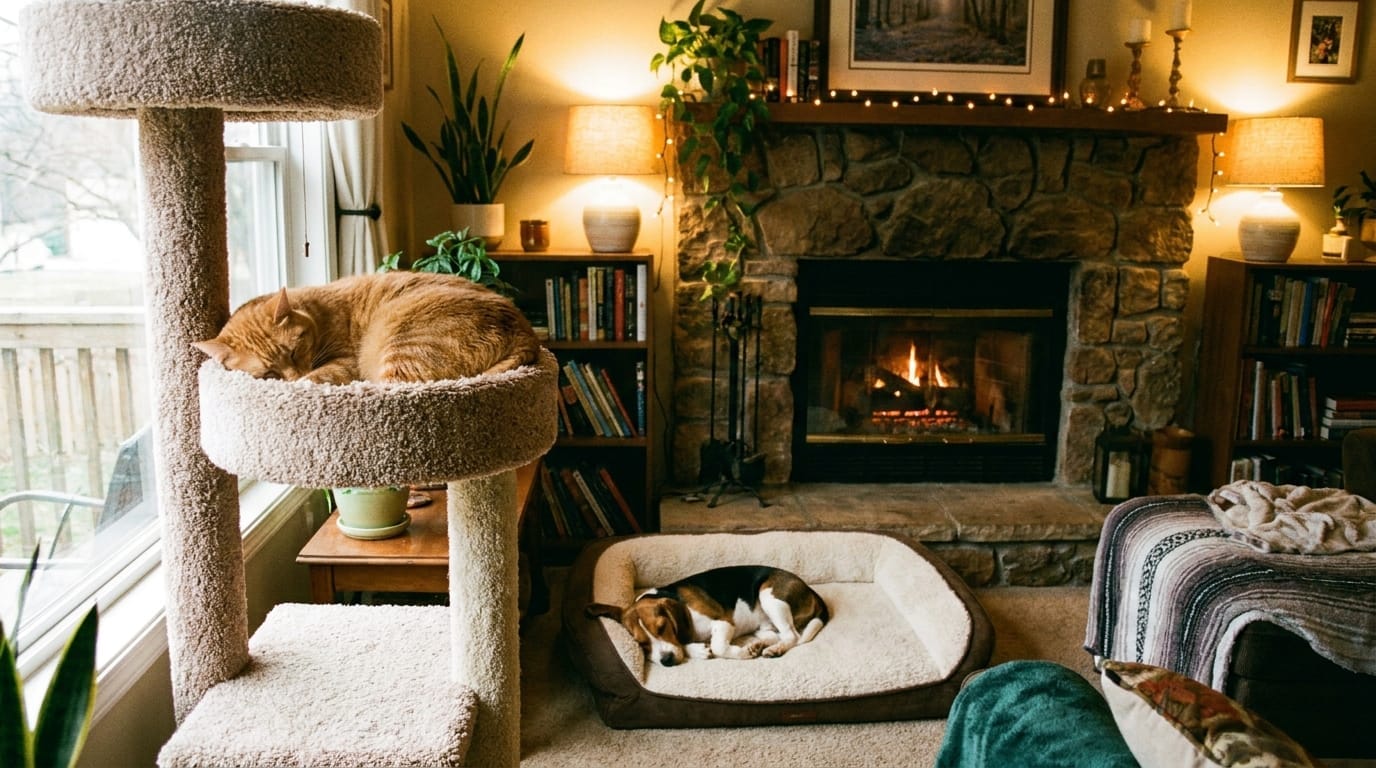
Competition over resources is a major source of conflict. Always feed your pets separately, preferably in different rooms or with the cat's food placed up high where the dog can't reach it. Provide multiple water bowls and ensure the dog cannot access the cat's litter box, as this can be a huge source of stress for the cat (and unsanitary for the dog).
Vertical Space is a Cat's Best Friend
Cats feel safest when they can survey their territory from above. Providing ample vertical space-like cat trees, shelves, or clear window sills-gives your cat a safe place to retreat and observe the dog from a distance. This 'escape route' is essential for their sense of security and can prevent many potential conflicts.
The journey to a peaceful multi-pet household is a marathon, not a sprint. It's built on a foundation of patience, careful management, and a deep understanding of each animal's unique personality and species-specific needs. Some pairs will become inseparable cuddle buddies within weeks, while others may only ever achieve a state of respectful indifference. Both outcomes are a success. The goal is not to force a storybook friendship but to create a safe and low-stress environment where both your cat and your dog can feel secure and comfortable.
Remember to celebrate the small victories-a shared moment of calm in the same room, a curious sniff without tension, a day without a single hiss. These are the building blocks of a lasting truce. By acting as a thoughtful mediator and respecting their natural instincts, you give them the best possible chance to write their own story of coexistence, and maybe even friendship. Remember, this content is for educational purposes only and should never replace professional veterinary advice.

Comments ()