

Five Pet Behaviors You Are Misinterpreting Right Now
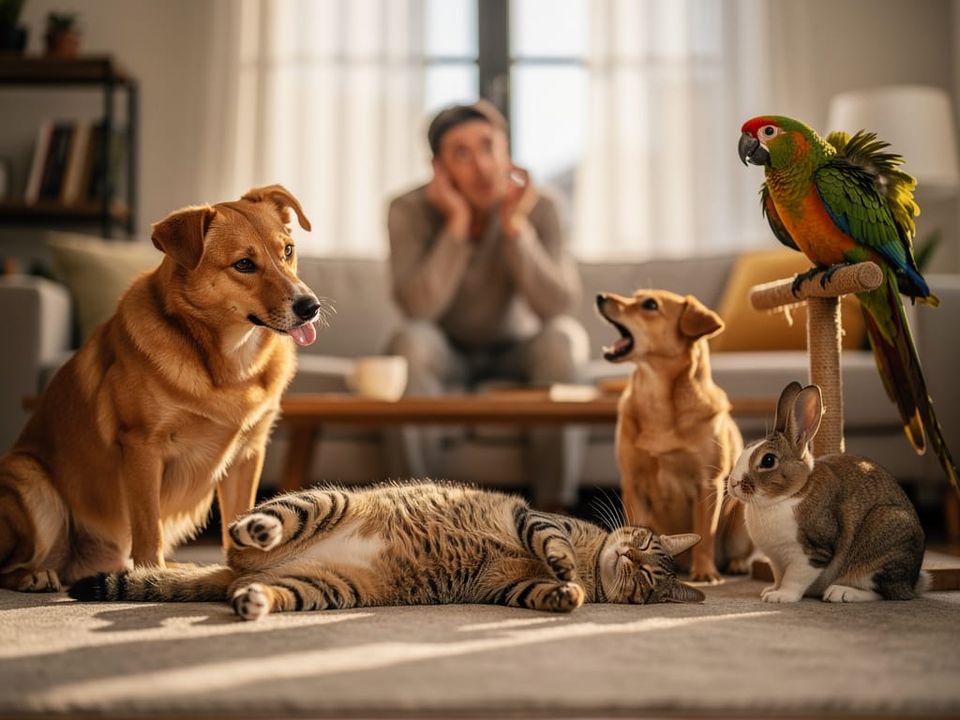
I bet you think you've got your pet all figured out, don't you?
We all do, but our furry friends have a secret language we're often getting completely wrong.
It's not your fault; they just don't communicate like we do.
Let's clear up a few of the biggest mix-ups so you can understand what they're really trying to tell you.
Let's Decode Their Language
You're probably missing some of the most important signals they send every single day.
Here are five common behaviors that mean something totally different than what you think.
- The Cat's Slow Blink
You might see it as your cat being sleepy or disinterested.
It's actually the complete opposite and is often called a 'kitty kiss'.
This is a huge sign of trust, showing they feel totally safe and relaxed around you.
Try doing it back to them to say 'I love you' in their language.
- The Dog's 'Guilty' Look
We've all seen it-the head down, the wide eyes after they've torn up a pillow.
That's not guilt you're seeing; dogs don't really process complex emotions like that.
They're reacting to your angry tone and disappointed body language.
It's a submissive posture meant to appease you, not an admission of wrongdoing.
- The Constant Purring
Sure, a purr usually means your cat is happy and content.
But it's also a self-soothing mechanism they use when they're in pain, scared, or stressed out.
Think of it like a human humming to themselves to calm their nerves.
Always look at the whole situation to figure out which purr you're hearing.
- The Big Dog Yawn
A yawn doesn't always mean your dog needs a nap.
It's one of the most common signals dogs use to show they're feeling anxious or uncomfortable.
You'll often see this at the vet's office or when they're in a new, overwhelming environment.
They're trying to calm themselves-and you-down.
- The Cat Rubbing On You
You probably think this is just a simple, sweet request for affection.
It's actually a territorial behavior called 'bunting'.
Cats have scent glands on their cheeks and head, and they're marking you as their property.
Don't worry, it's a huge compliment that means you're officially part of their family.
Connecting on a Deeper Level
Paying attention to these little cues can completely change the relationship you have with your pet.
It's all about learning to speak their language, not just expecting them to learn ours.
Keep watching, keep learning, and you'll be amazed at what your best friend has been trying to say all along.
Just remember, this is all for fun and insight; always chat with your vet if you have real concerns about your pet's health or behavior.

Comments ()