

Forever Young: How Perpetual Puppy and Kitten Traits Shaped Your Pet's Modern Behavior
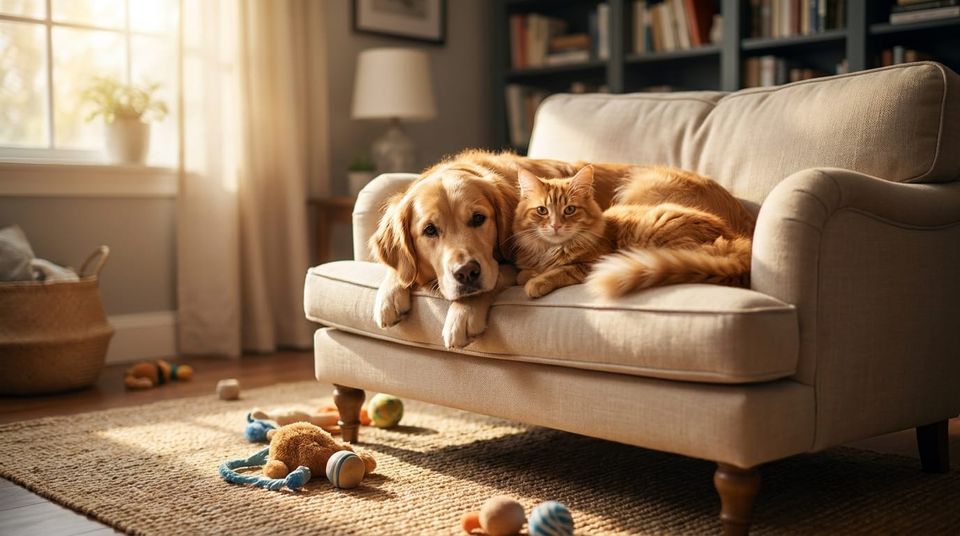
Have you ever looked at your full-grown dog chasing its tail with giddy abandon and thought, 'You're just a giant puppy'? Or watched your sophisticated cat start kneading your blanket with the focus of a tiny kitten? It's not just your imagination. You're actually witnessing a beautiful scientific phenomenon that explains so much about why our pets are the way they are, and it’s the secret ingredient to the incredible bond we share with them.
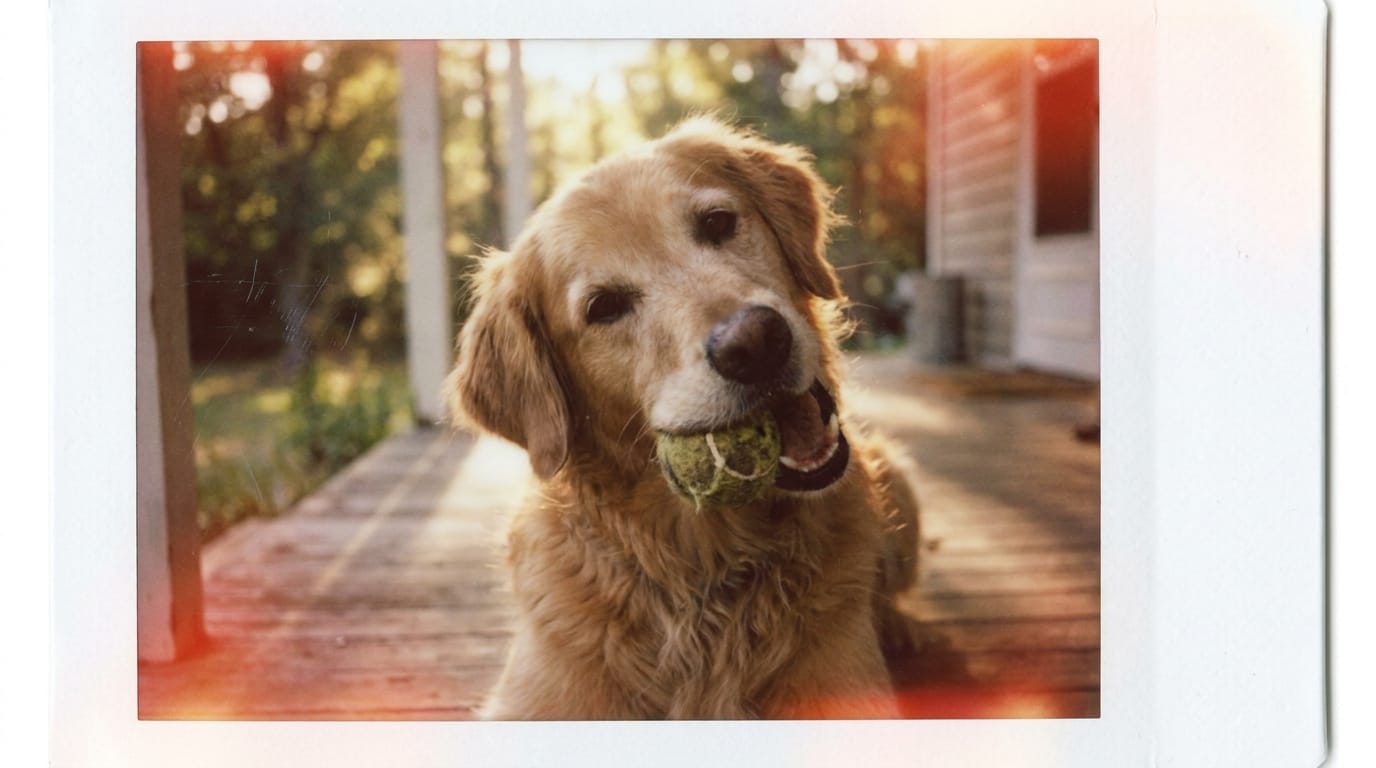
So, What Exactly Is Going On Here?
Let's chat about a concept called neoteny. It sounds a bit academic, I know, but stick with me because it's actually pretty simple and totally fascinating. Neoteny is basically when an adult animal holds onto physical or behavioral traits from its younger, juvenile stage. Think of it as a 'fountain of youth' effect that was hardwired into our pets over thousands of years of domestication. It wasn't an accident, either. As humans started living alongside dogs and cats, we naturally gravitated toward the ones that were friendlier, more playful, and less intimidating-in other words, the ones that acted more like puppies and kittens. We subconsciously selected for these 'forever young' traits, and it completely reshaped them into the companions we know and love today.
The 'Forever Puppy' in Your Living Room
When you look at your dog, you're seeing a direct descendant of the powerful wolf, but one that has been profoundly changed by this process. The differences aren't just in their looks; they're baked right into their behavior. That goofy, loving personality that melts your heart is a direct result of them hanging onto their inner puppy for their entire lives. It’s what makes them such amazing family members instead of, well, wild animals.
Telltale Signs in Your Dog
You probably see these behaviors every single day without even realizing their origin. It's the little things that really show how much of a puppy your dog still is at heart.
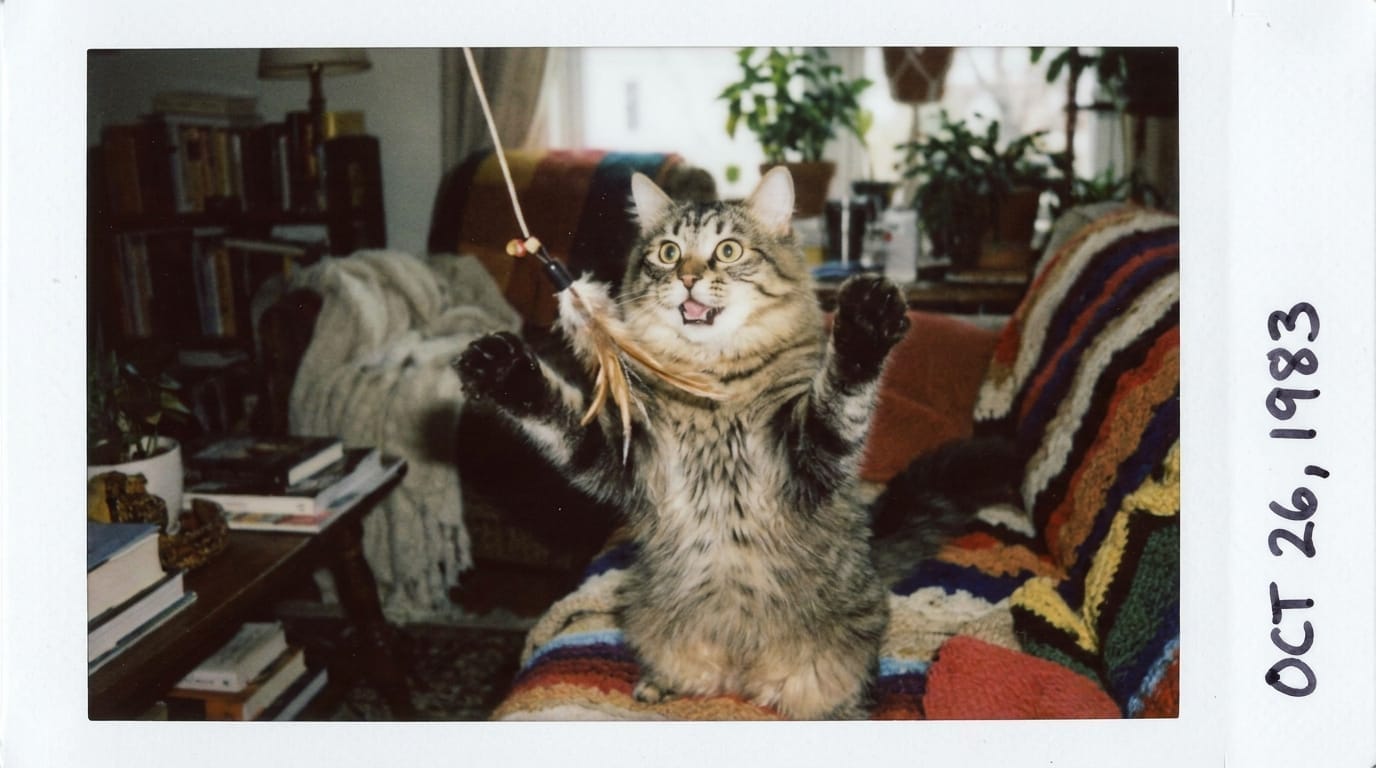
- Endless Playtime: Adult wolves don't really 'play' just for the fun of it; that's a behavior reserved for learning and practice when they're young. Your dog's absolute obsession with a game of fetch or a squeaky toy? That's pure, unadulterated neoteny. They've retained that youthful desire to play long into adulthood.
- Those Puppy-Dog Eyes: Many dog breeds have features that are distinctly puppy-like compared to their wolf ancestors. We're talking about floppier ears, shorter snouts, and larger, more expressive eyes. These physical traits trigger our nurturing instincts, making us want to care for them.
- The Constant 'Chatter': Here's a big one-barking. Adult wolves are actually pretty quiet and rarely bark. It's a noise wolf pups make to get attention or signal distress. Your dog's barking is essentially a juvenile call that has stuck around, becoming their primary way of 'talking' to you.
- Submissive Gestures: When your dog licks your face, nudges you with its nose, or rolls over to expose its belly, it's not just being cute. These are classic puppy behaviors used to show deference to their mother or older pack members. They're telling you, 'You're the boss, and I trust you completely.'
And What About Your 'Forever Kitten'?
Cats have a slightly different story. They kind of domesticated themselves, realizing that hanging around human settlements meant an easy meal. But even with their independent streak, neoteny played a huge role in cementing their place in our homes. We fell for the cats that were more sociable and kept their kitten-like charm.
Unpacking Feline Youthfulness
Your cat might seem like a dignified, tiny panther, but its daily habits are full of behaviors straight out of the kitten playbook.
- Meowing for You: Did you know that adult cats almost never meow at each other? It's a language specifically developed by kittens to communicate with their mothers. So, when your cat meows at you for food or attention, it's talking to you as if you were its parent. It's a vocal behavior they've carried over just for us.
- Making Biscuits: That rhythmic kneading your cat does on your lap or a soft blanket is one of the most heartwarming examples of neoteny. This is the exact motion kittens use to stimulate milk flow while nursing. For an adult cat, it's a sign of ultimate comfort, contentment, and a throwback to the safety of being with its mother.
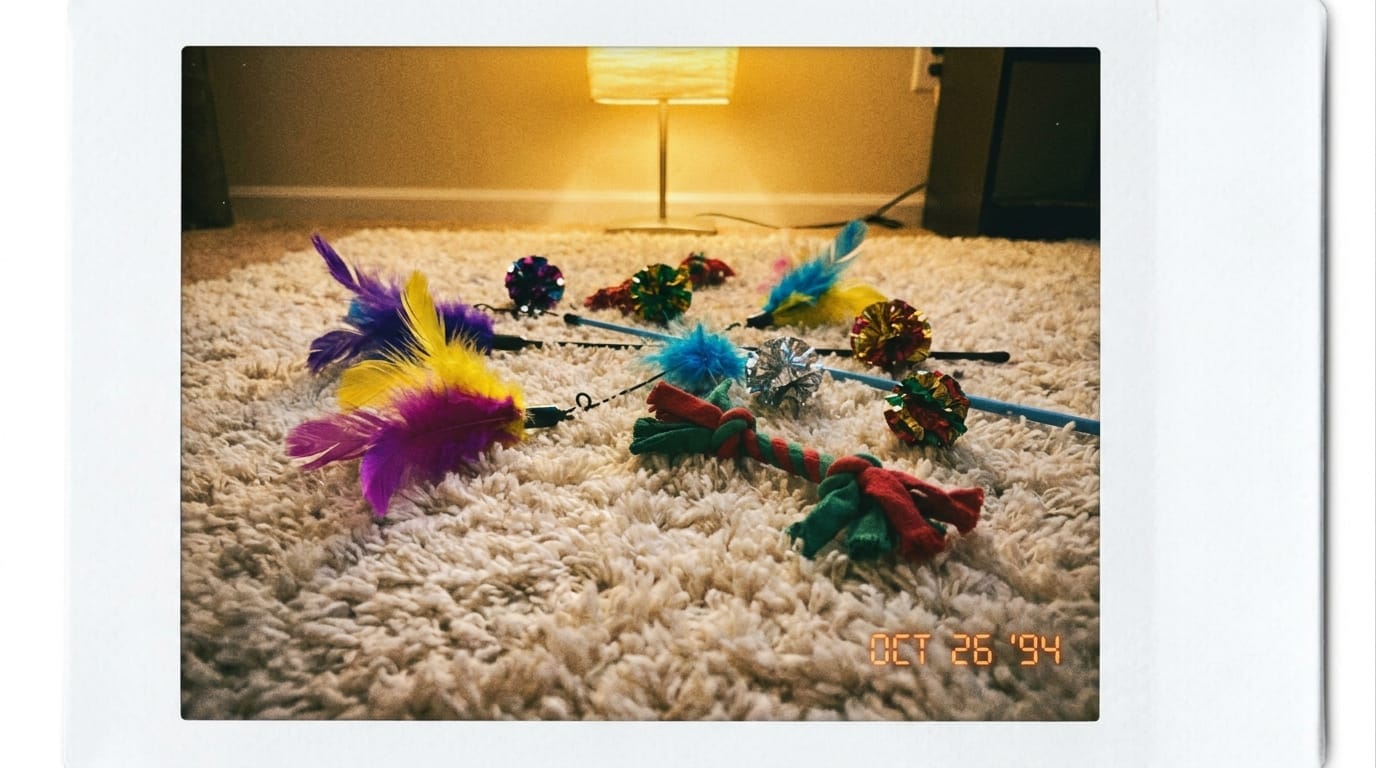
- Play-Hunting: The wild pounce on a laser dot or the ferocious attack on a feather wand is a refined version of how kittens practice their hunting skills. They never lose that playful instinct, turning their predatory prowess into a game they can share with you.
Understanding this concept of the 'forever young' pet really changes how you see them, doesn't it? It explains their deep-seated need for our companionship, their reliance on us for play and security, and why they fit so perfectly into our lives. They aren't just tiny wolves or wildcats living in our homes; they are unique creatures shaped by a shared history with humanity.
So the next time your pet does something utterly goofy and juvenile, you'll know you're seeing thousands of years of domestication and love looking right back at you. It’s this beautiful, perpetual youthfulness that makes them such an irreplaceable part of our families.

Comments ()