

How Your Lifestyle Can Change Your Pet's Genes

The old retriever’s breath comes in soft, rhythmic puffs against your hand, a warm and familiar comfort. You trace the line of his graying muzzle, a map of the years you’ve shared. Every walk, every meal, every shared moment of quiet contentment feels like it’s woven into the very fabric of his being. You know these experiences have shaped his personality, his habits, his loyalty. But what if they’ve gone deeper? What if the love, the care, and the very food in his bowl have been quietly writing notes in the margins of his genetic code?
This isn't a flight of fancy. It's the frontier of a scientific field that is changing how we understand the connection between nurture and nature. The life you build for your companion doesn't just shape their mind; it can physically influence how their body reads its own genetic blueprint. We are not just guardians; we are editors, making small but significant annotations that can affect their health for a lifetime.
Are we really changing our pet's DNA?
Let's be clear from the start: you are not rewriting your dog's or cat's fundamental DNA sequence. A Golden Retriever will always have the DNA of a Golden Retriever. What we're talking about is a fascinating concept called epigenetics. Think of your pet's DNA as a massive library of cookbooks. Epigenetics doesn't change the recipes in the books, but it acts like a librarian who places sticky notes on certain pages, marking some as 'use often' and others as 'ignore for now'.
These 'sticky notes' are chemical markers that attach to the DNA. They tell the body's cells which genes to turn on (express) and which to turn off (silence). This process is happening constantly, and it’s powerfully influenced by external factors-the environment, diet, stress, and even social interaction. So, while the core genetic text remains the same, your lifestyle choices for your pet can dramatically change which 'recipes' their body decides to use, impacting everything from their metabolism to their risk for certain diseases.

How does diet influence a pet's genetic expression?
Is the food you provide simply fuel, or is it information? The answer is both. Every meal sends a cascade of instructions to your pet's cells. Nutrients like B vitamins, choline, and methionine are key players in creating the epigenetic 'sticky notes' that regulate gene expression. A diet rich in these components can help maintain a healthy pattern of gene activation, supporting functions like cell repair and a strong immune system.
Conversely, a poor diet can have the opposite effect. For example, studies have shown that certain dietary patterns can switch on genes associated with inflammation or obesity. This explains why two animals with similar genetic predispositions can have wildly different health outcomes based entirely on what they eat. The food in their bowl is one of the most direct and powerful tools you have to communicate with your pet's genes, encouraging a healthy expression that supports a long and vibrant life.
What about stress and the environment?
A pet's world is the one you create for them. A calm, predictable, and enriching environment sends a very different set of signals to their genes than a chaotic or stressful one. Chronic stress, caused by things like loneliness, loud noises, or lack of exercise, triggers the release of hormones like cortisol. Over time, high cortisol levels can lead to epigenetic changes that activate genes related to anxiety and inflammation, while suppressing others that support a healthy immune response.
Positive experiences have a powerful epigenetic impact, too. Regular play, training, and social interaction don't just build a strong bond; they can promote the expression of genes associated with resilience and well-being. Providing puzzles, safe spaces, and consistent, loving attention helps create an internal biological environment that tells your pet's genes, 'you are safe, you can thrive'. This emotional care is as biologically meaningful as physical nutrition.

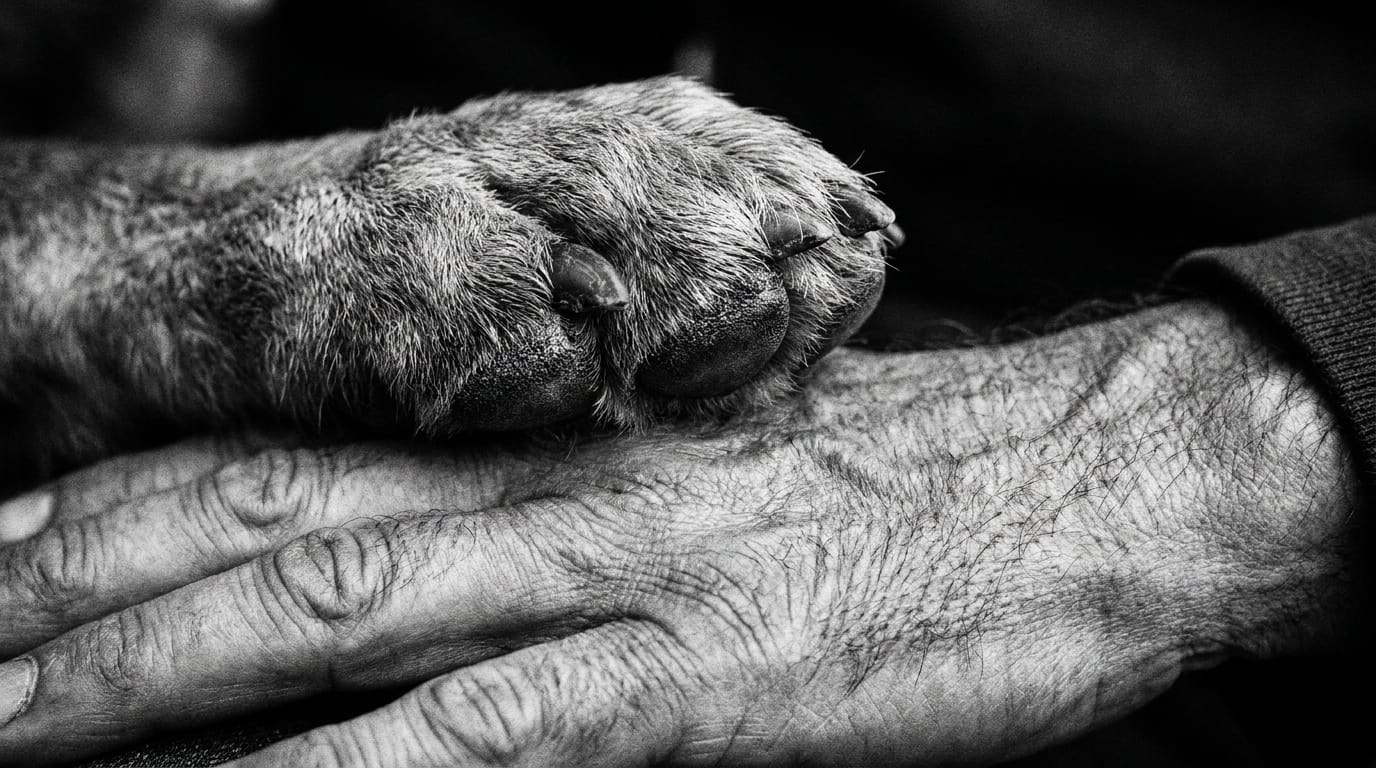
So, what does this mean for me as a pet owner?
Does this knowledge place a heavy burden on your shoulders? Not at all. Instead, it should be empowering. It confirms what dedicated pet owners have always known intuitively: that your care matters on the deepest possible level. The daily choices you make are not fleeting moments; they are lasting instructions that contribute to your companion’s biological story. The high-quality food you choose, the extra game of fetch, the quiet evening spent together-these are all acts of positive genetic influence.
This understanding doesn't ask for perfection. It simply asks for awareness. It's a reminder that we are active participants in our pets' health, not just passive observers of their genetic destiny. By providing a loving home, a nutritious diet, and a low-stress environment, you are doing more than just making your pet happy. You are helping their body access the best version of its own genetic blueprint, a gift of health that resonates with every beat of their heart.

Comments ()