

How Your Pet Perceives Objects and Spaces
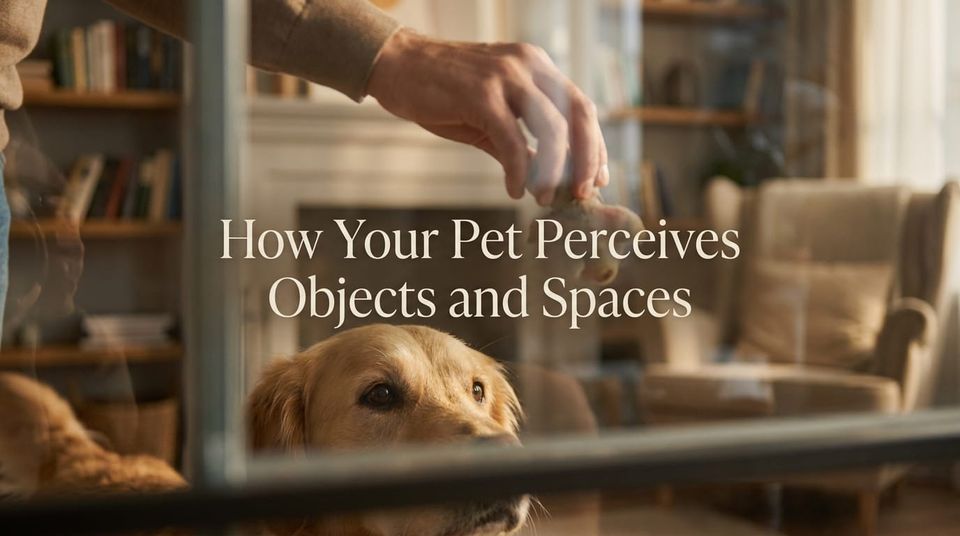
The World Isn't What You See
You walk into a room. You see furniture, walls, light.
Your pet enters the same room. They experience a complex map of sounds, smells, and strange visual cues. Their reality is not your reality.
Understanding their sensory input is fundamental. It explains their behavior. It makes you a better owner.
Vision: A Different Spectrum
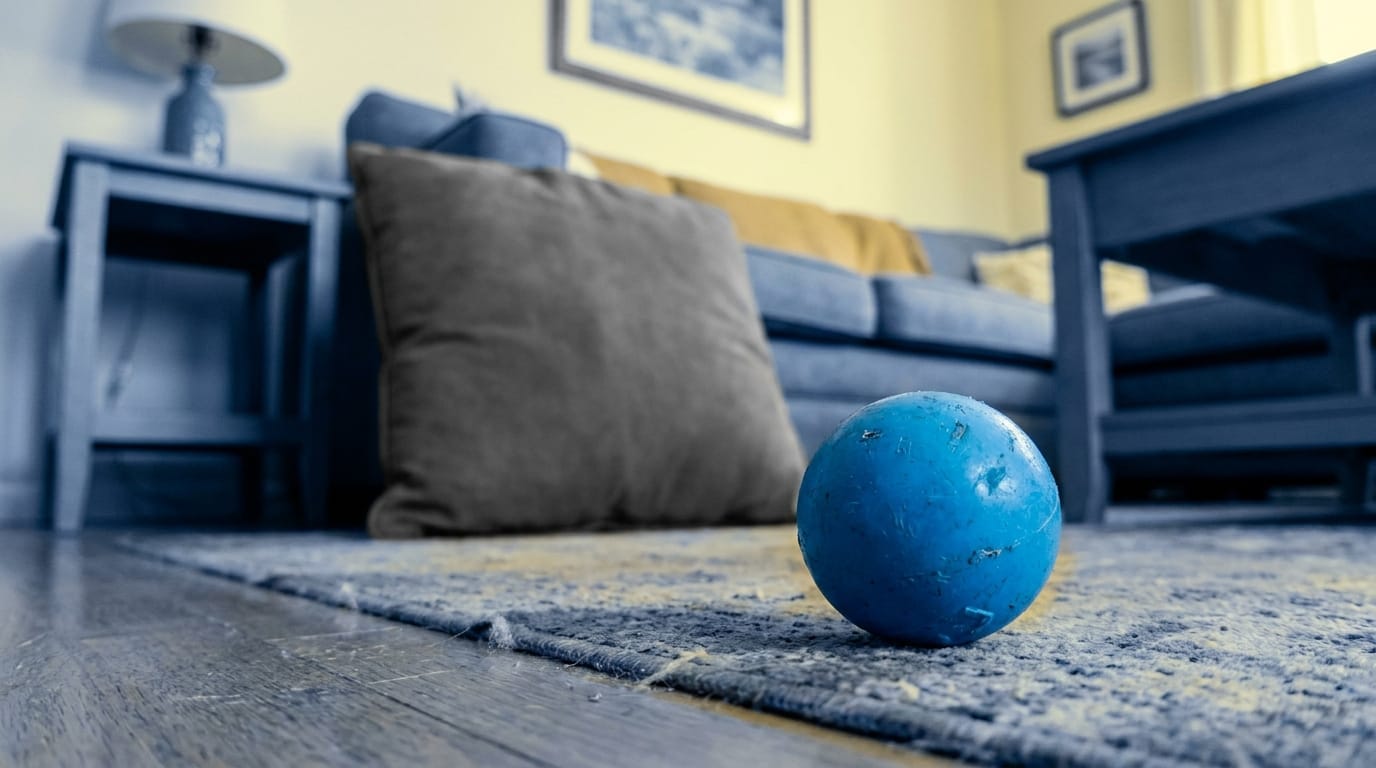
Let's destroy a myth. Dogs are not colorblind. They just have a different palette.
Humans have three types of color-detecting cone cells in their eyes. We see red, green, and blue. This is trichromatic vision.
Dogs and cats have two. They see blues and yellows well. This is dichromatic vision. To them, a bright red toy on green grass is a mess of brownish-gray. It has almost no contrast.
But their vision is built for a different purpose. It's built for movement.
A slight twitch in the distance is immediately obvious to them. Their eyes are fine-tuned to detect prey. They also have superior low-light vision, thanks to a reflective layer called the tapetum lucidum. It’s why their eyes glow in the dark.
Their field of view is also wider. A dog's peripheral vision can reach 240 degrees, compared to our 180. They see more of the world at once, which is why they can spot things you miss.
The Scent Landscape
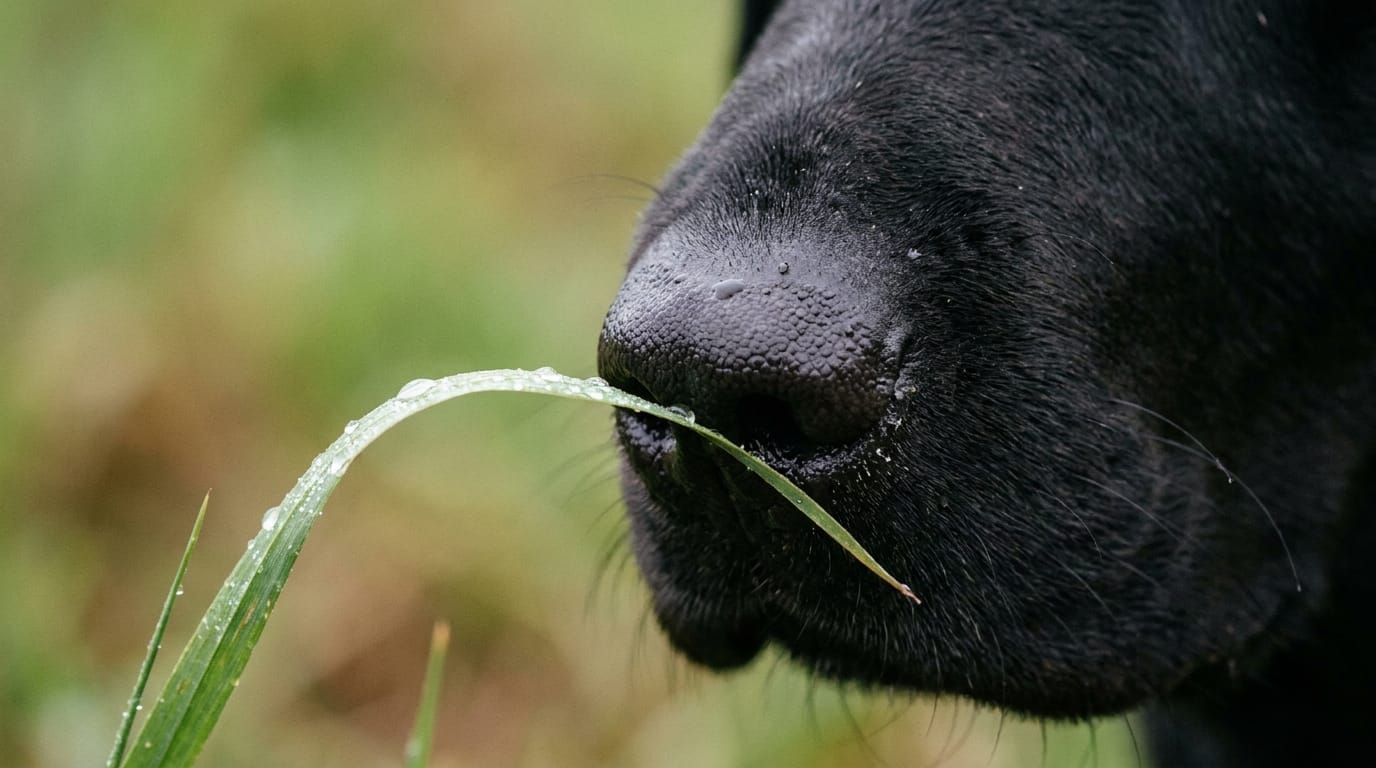
Smell is the dominant sense. For a dog, it is everything.
Your home isn't a collection of objects. It's a library of scents. Every surface, person, and piece of food tells a story.
Dogs possess up to 300 million olfactory receptors. We have a pathetic six million. Their ability to process scent is tens of thousands of times more powerful than ours.
They don't just smell with their nose. They use a special tool called the vomeronasal organ, or Jacobson's organ. It's located in the roof of the mouth and decodes chemical information, like pheromones. This is deep analysis.
Reading the Environment
When your dog sniffs a fire hydrant, they are reading the local news. They know who was there, when they were there, and their social status.
Cats are just as reliant on scent, but for territory. They rub their cheeks and flanks on furniture, doorways, and even you. They are depositing pheromones, marking their space as safe and familiar. An unfamiliar smell is an intruder.
This is why new objects can cause anxiety. It's an unreadable, foreign piece of data in their scent map. They must investigate it to understand it.
The Soundscape: Hearing the Invisible
Your home is loud. You just can't hear most of it.
Pets hear a much wider range of frequencies. High-pitched sounds from electronics, pipes, and fluorescent lights are perfectly audible to them. What you perceive as a silent room can be a concert of annoying noises.
Their ears are also instruments of direction. The 18-plus muscles controlling a cat's outer ear allow it to rotate 180 degrees. They can pinpoint the source of a sound with extreme precision, long before you even notice it.
This sensitivity explains many anxieties. The roar of a vacuum cleaner isn't just loud-it's a physical assault on their senses. A distant thunderstorm is an approaching threat they can hear long before you can.
They perceive space through sound. An echo tells them the size of a room. The lack of sound tells them something is wrong.
Actionable Intelligence: How to Adapt
This isn't just trivia. It's a user manual for your pet. You can use this knowledge to improve their life and your relationship.
Stop thinking like a human. Start accommodating their biological reality. Here is how you do it.
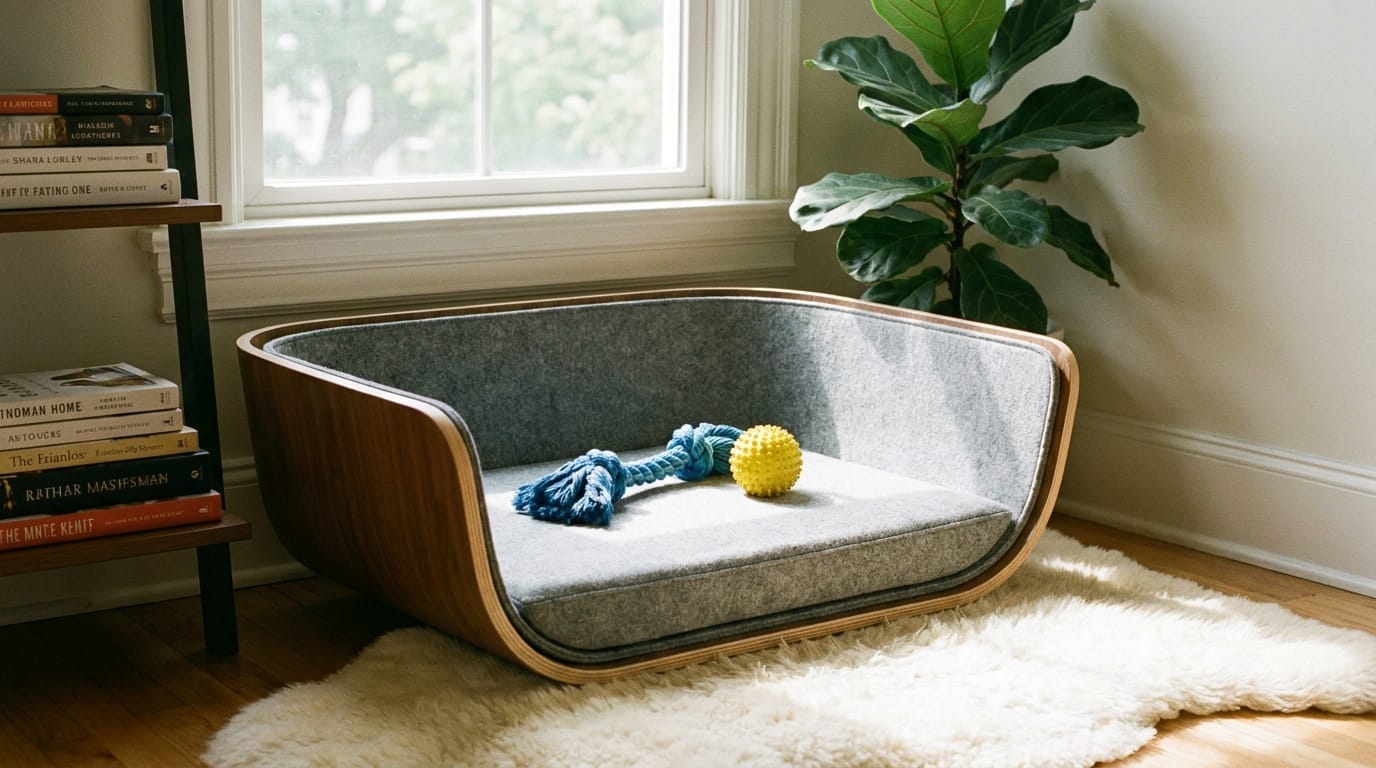
- Buy Smarter Toys. Choose toys in shades of blue and yellow. They are far more visible to your dog or cat than red or orange ones. Motion-activated toys are even better, as they tap directly into their predator-prey drive.
- Let Them Sniff. A walk is not just for exercise. It's for information gathering. Rushing your dog from one spot to the next is like ripping a newspaper out of someone's hands. Give them time to 'read' their environment.
- Manage the Soundscape. Unplug electronics you aren't using. Play calming, low-frequency music to mask high-pitched ambient noise. Provide a covered crate or a quiet room as a 'den' where they can escape overwhelming sounds.
- Control New Introductions. When you bring a new object home, let them approach and smell it on their own terms. For new people, let the person stand still and allow your pet to gather scent data before initiating contact. Scent is their primary tool for identification and trust.
Their world is different. Acknowledging it is the first step. Adapting to it is how you provide excellent care.
Disclaimer: This article is for informational purposes only. Always consult a professional veterinarian for any health concerns or before making changes to your pet's care regimen.

Comments ()