

Mirroring Your Mood: How Pets Absorb Our Emotions
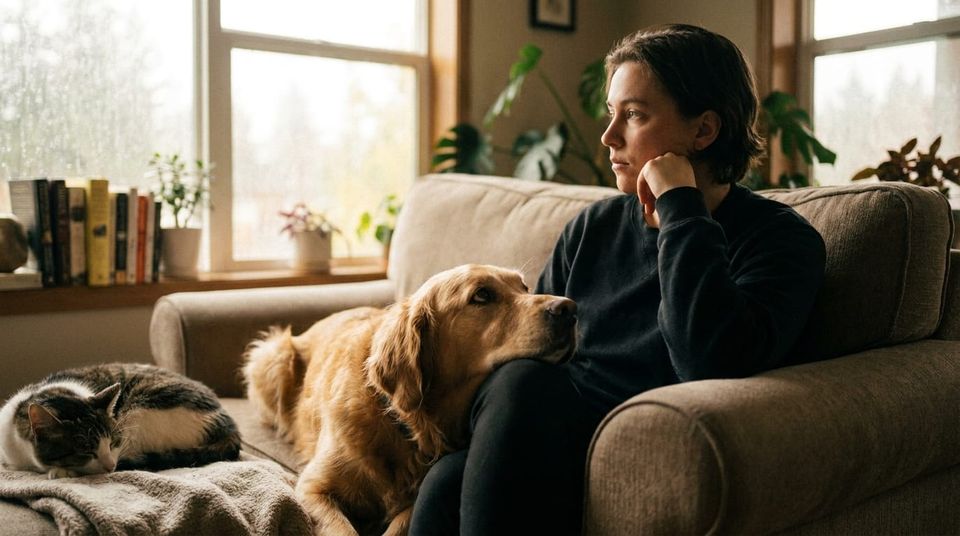
Ever had one of those days where you're just a ball of stress, and suddenly your dog is glued to your side, looking worried? It's not your imagination. The single most important thing to understand about your bond with your pet is that they are emotional sponges, directly absorbing and reflecting your own state of mind. This isn't just a cute theory; it's a well-documented phenomenon known as emotional contagion, and it shapes their behavior and well-being every single day.
Think about it like this: you're the emotional thermostat for your home. When you're calm and happy, you're setting the temperature to 'cozy and safe.' When you're anxious or upset, that thermostat gets cranked up to 'alert and uncertain.' Our pets, who have spent thousands of years evolving alongside us, have become masters at reading our signals. They're not just watching your body language-though they're experts at that-they're also picking up on your tone of voice, your breathing patterns, and even your scent.
What's Really Happening Under the Fur?
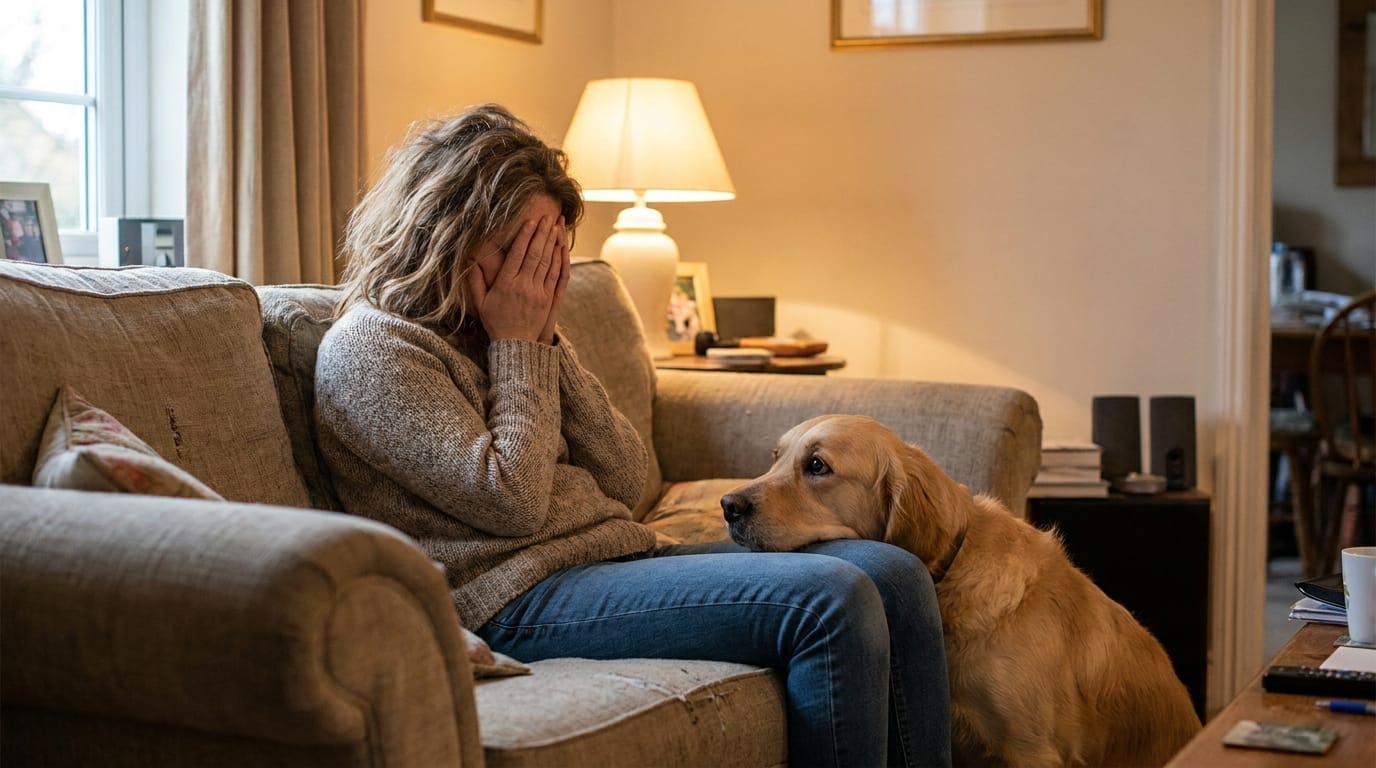
This isn't magic; it's biology. When we're stressed, our bodies produce more of the hormone cortisol. Studies have shown that dogs can literally smell this change on us. What's more, researchers have found that long-term stress levels in owners, measured through cortisol in their hair, directly correlate with the cortisol levels in their dogs' fur. You're quite literally sharing your stress hormones with your best friend. They feel what you feel, on a chemical level.
And it's not just dogs! While they're often the poster children for this kind of empathy, cats are also incredibly attuned to their owners' emotional states. A cat that suddenly starts hiding, over-grooming, or acting out might not be 'mad' at you. It could be reacting to a tense atmosphere in the house, like arguments or a general feeling of anxiety. They process our moods in their own way, often showing their discomfort through changes in their routine and behavior.
The Two-Way Emotional Street
Knowing this can feel like a lot of pressure, right? The last thing any of us wants is to make our pets anxious. When we're chronically stressed, our pets can develop their own behavioral issues. This can look like separation anxiety, excessive barking or meowing, destructive behavior, or even aggression. They're trying to cope with the unsettling emotional energy they're picking up from their favorite person-you.
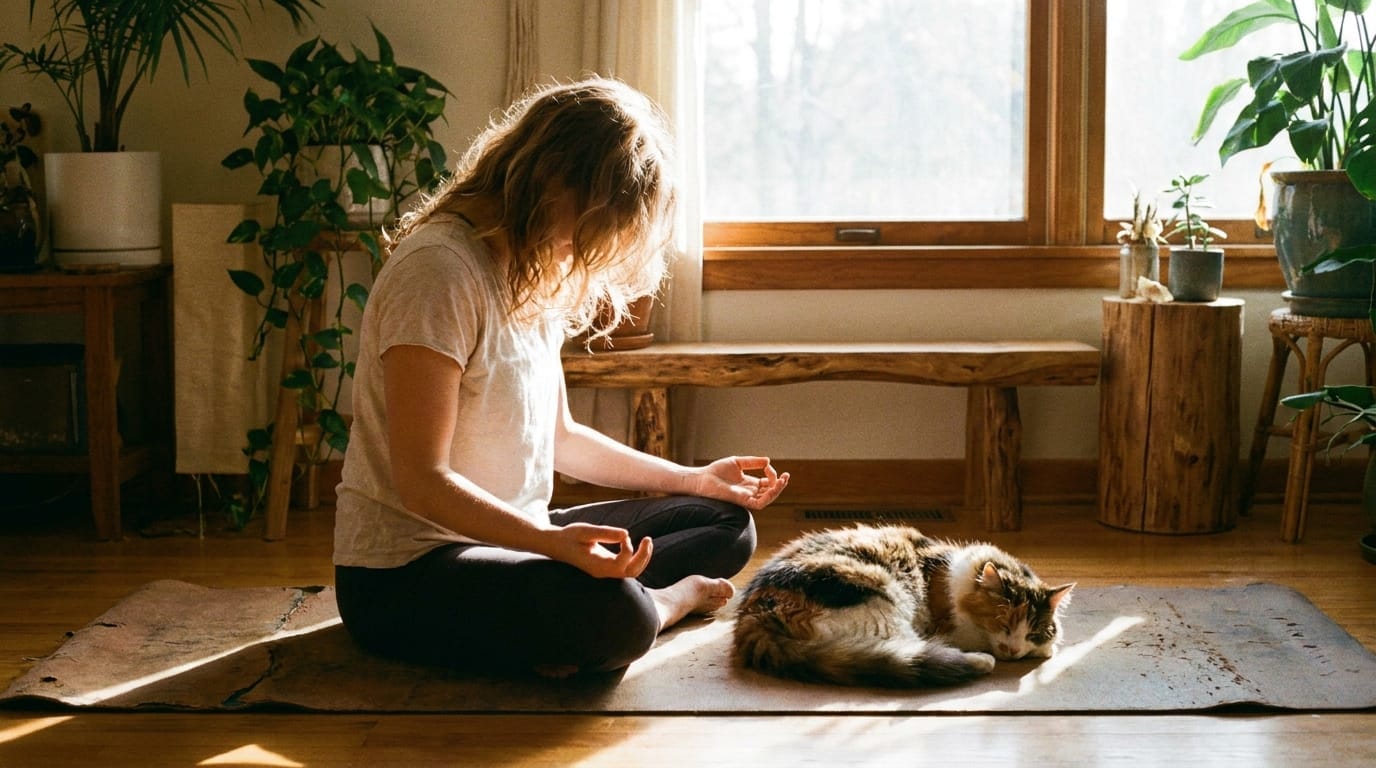
But here's the beautiful part: this connection works both ways. Just as they absorb our stress, they also soak up our calm. When you're relaxed, happy, and content, you create a secure and stable environment for them. This is why things like gentle petting, quiet time together, and a predictable routine are so powerful. Petting a dog or cat has been shown to lower our own blood pressure and release oxytocin-the 'love hormone'-in both our brains and theirs. It's a positive feedback loop of pure good vibes.
How to Be Your Pet's Calm Anchor
So, what can you do? You don't have to be a Zen master 24/7. It's about being mindful. When you come home after a tough day, take a few deep breaths before you walk in the door. Put on some calming music. Engage in a simple, repetitive activity with your pet, like a gentle grooming session or a slow game of fetch. These small actions signal to them that everything is okay, allowing them to relax alongside you.
Key Takeaways
- Your Emotions are Contagious: Your pet directly mirrors your emotional state, from stress to joy, through a process called emotional contagion.
- It's Biological: Pets can detect changes in your scent (like the stress hormone cortisol) and read subtle cues in your body language and tone of voice.
- Stress Has Consequences: Your chronic stress can lead to behavioral issues in your pet, such as anxiety, destructiveness, or changes in their routine.
- Calm is Also Contagious: By managing your own stress through mindfulness and positive interactions, you create a secure, calming environment for your pet to thrive in.
At the end of the day, this incredible emotional bond is one of the most rewarding parts of sharing your life with an animal. It's a reminder that we're not just their caretakers; we're their emotional center. By taking care of our own well-being, we're giving them one of the greatest gifts we can: a happy, peaceful, and loving home.

Comments ()