

Reading the Nuanced Language of Your Pet’s Eyes
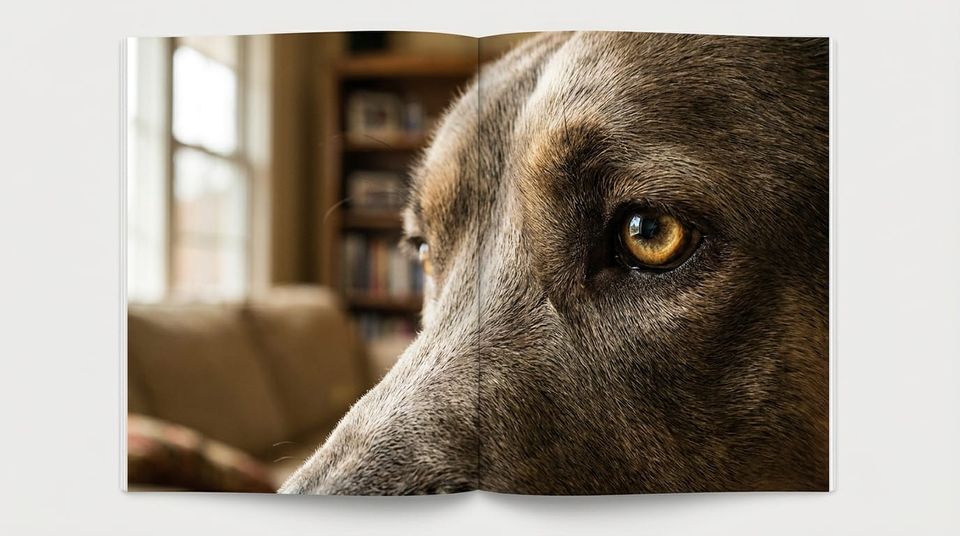
You've probably found yourself just staring into your pet's eyes, wondering what on earth they're thinking.
It's one of those quiet moments that builds a connection stronger than words.
But what if I told you their eyes are doing a lot of the talking for them?
You just have to know the language.
Let's get right into it, so you can become fluent in their silent conversations.
The Canine Gaze - What Your Dog is Saying
Your dog's eyes are incredible windows into their emotional state.
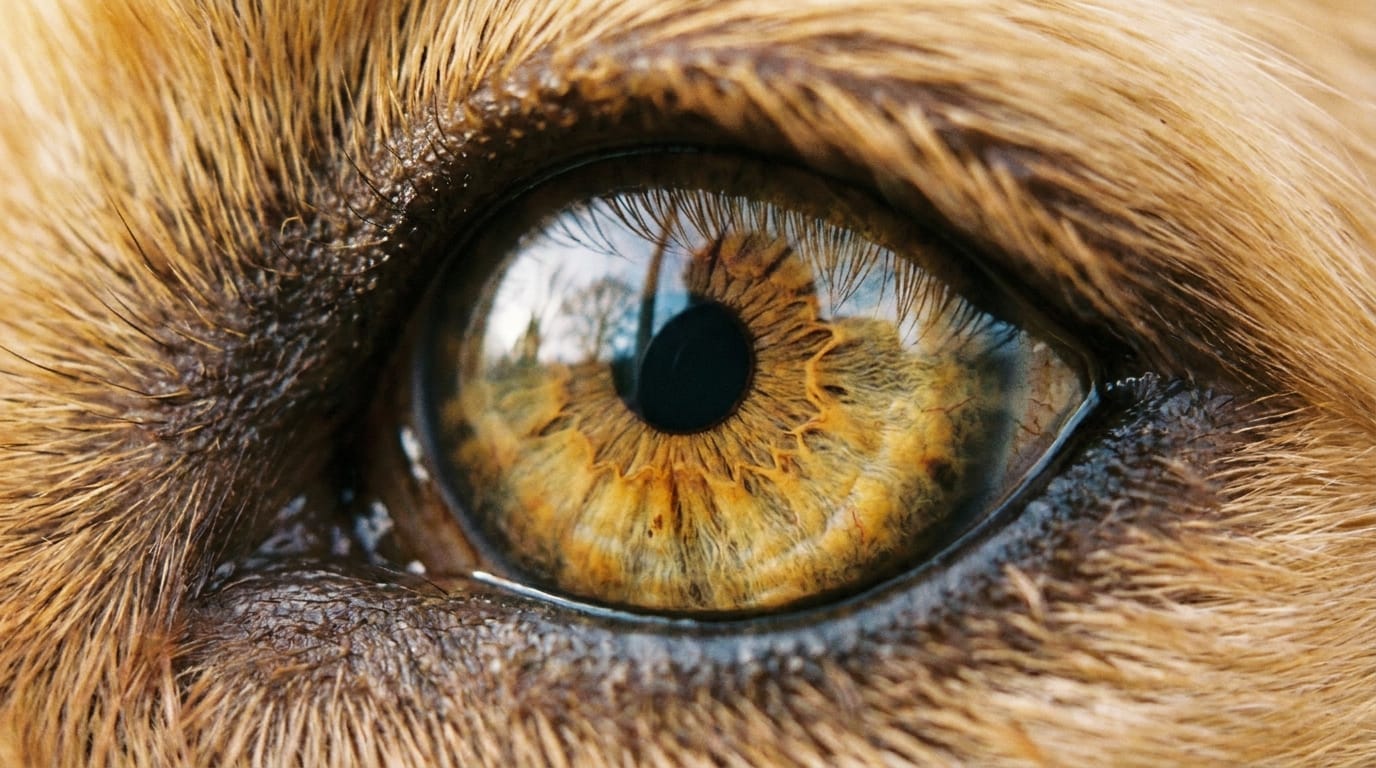
A soft gaze, with relaxed eyelids and normal-sized pupils, is a huge sign of trust and affection.
This is your dog's version of a warm, comfortable hug.
Then you have the hard stare, which is the complete opposite.
Their eyes will be fixed, pupils might be dilated, and the body is often tense.
This is a warning sign, telling you or another animal to back off immediately.
Ever seen the whites of their eyes in a half-moon shape?
That's called 'whale eye', and it signals serious stress, fear, or anxiety.
They're uncomfortable with a situation and are pleading for it to stop.
If your dog is deliberately avoiding eye contact, it's not a sign of disrespect.
It's actually a polite, submissive gesture meant to show they aren't a threat.
Understanding these signals can stop a bad situation before it even starts.
Feline Focus - Cracking the Cat's Code
Cats, as you know, are a bit more subtle and mysterious.
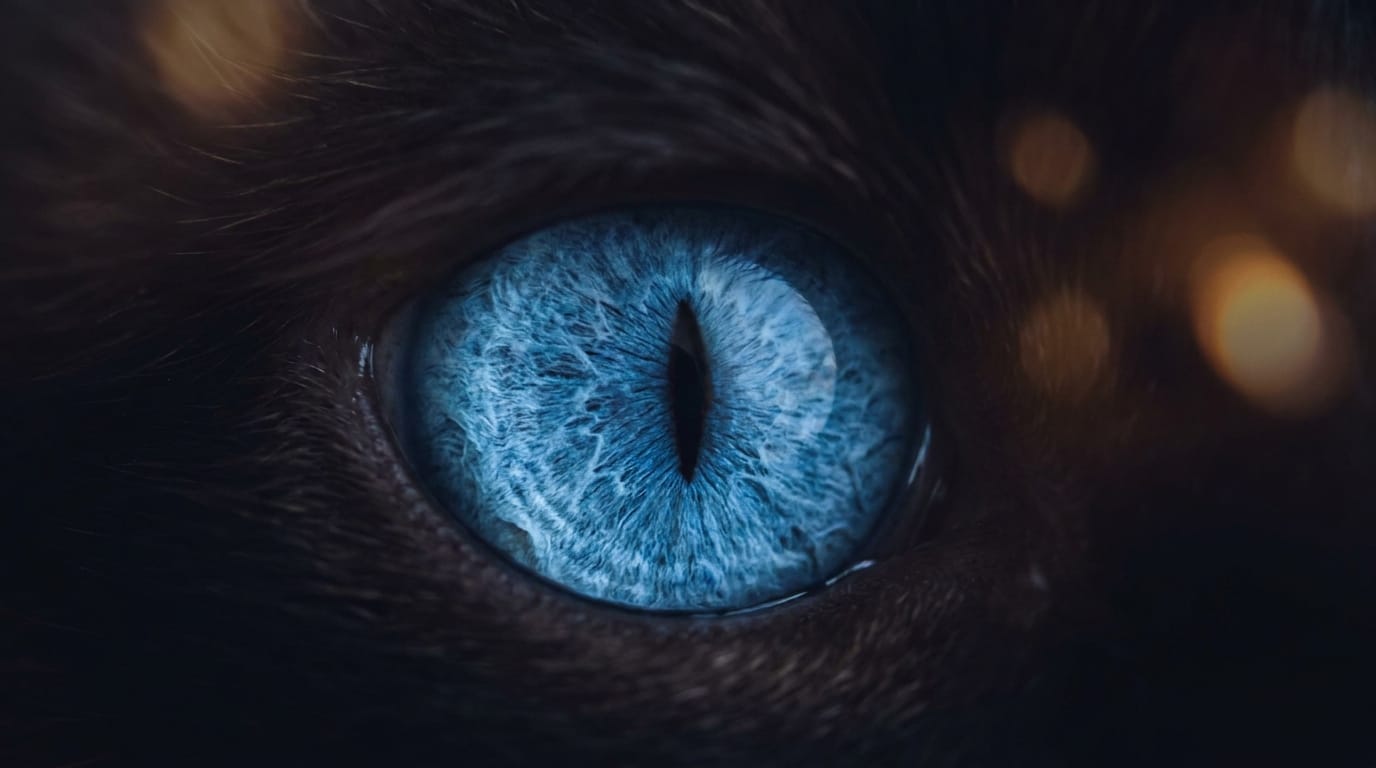
Their eye language is just as rich, but you have to pay closer attention.
The famous slow blink is the ultimate sign of feline love and trust.
It's basically a kitty kiss, and you should always try to slow blink back.
When their pupils are huge and round like saucers, it can mean a few things.
It could be excitement and playfulness, but in a tense situation, it means fear or high arousal.
You'll need to look at their tail and ears for the full story.
On the flip side, constricted, slit-like pupils during normal lighting can signal anger or aggression.
This is a cat who is very unhappy and potentially ready to strike.
A direct, unblinking stare from a cat isn't a challenge like it can be with dogs.
It's often a sign of intense curiosity or focus on something they find interesting.
A Quick Guide to Good Eye Contact
So, how can you use this information to build a better bond?
It's actually pretty simple if you remember a few key things.
- Context is everything. Always look at your pet's whole body-ears, tail, posture-to get the full picture of what their eyes are telling you.
- Never force a stare-down. Holding intense, prolonged eye contact can be seen as a threat, especially by a nervous animal.
- Blinking builds bridges. With both cats and dogs, soft blinking shows you're relaxed and mean no harm, which is a fantastic way to build trust.
Paying attention to these small details truly deepens the relationship you have with them.
You're not just their owner; you're their trusted friend who understands their language.
It transforms your daily interactions from simple routines into meaningful conversations.
And isn't that what we all want with our amazing animal companions?
Please remember, this advice is for educational and entertainment purposes only and should never replace professional veterinary care; always consult your vet with any health concerns about your pet.

Comments ()