

The Art of Asking: Seeking Your Pet’s Consent
What 'Consent' Really Means for Our Pets
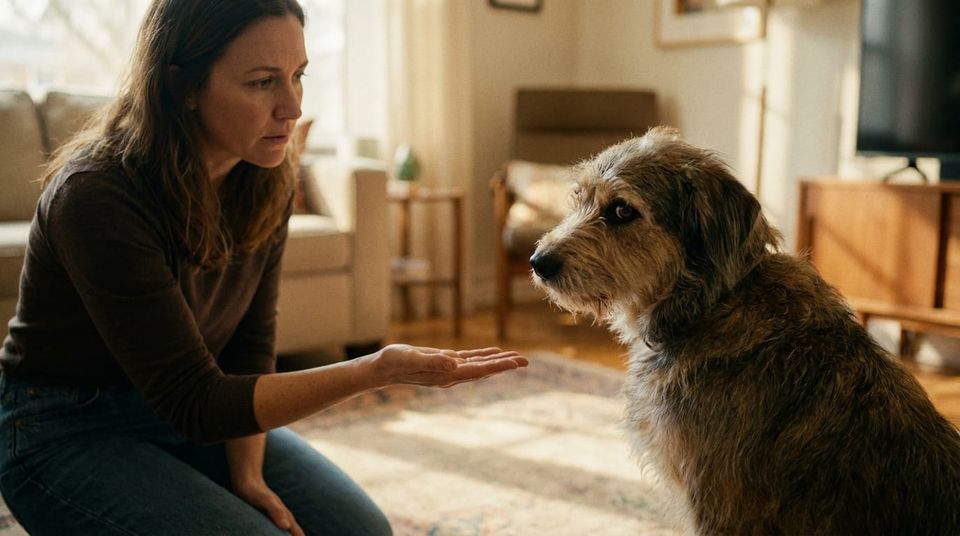
Let's talk about something that might sound a little strange at first: asking for your pet's consent. I know, it sounds overly formal, like you're asking your golden retriever to sign a permission slip before a belly rub. But if you hang with me for a minute, you'll see it's one of the most profound and simple ways to deepen the bond you share with your animal companion. It’s not about a verbal 'yes' or 'no'; it's about learning to listen to the language they're already speaking.
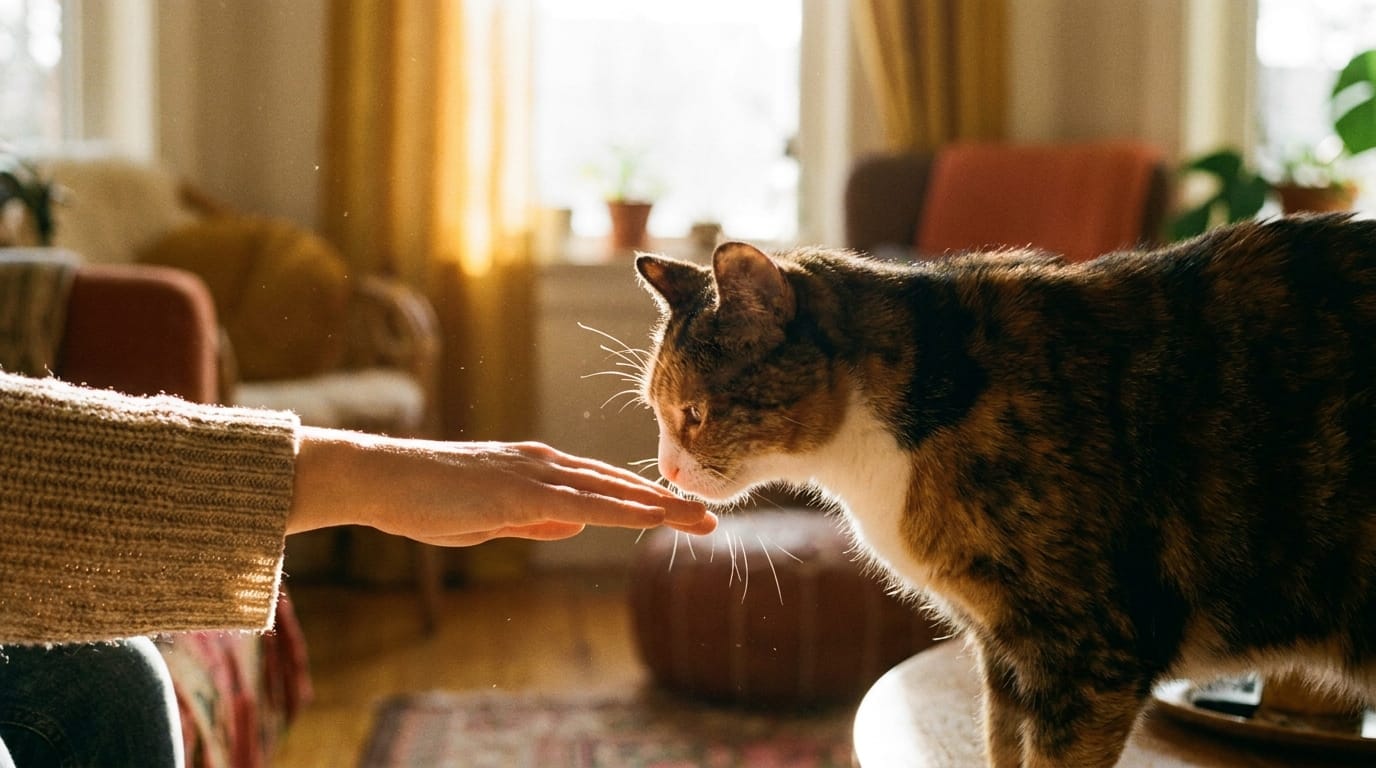
Think about it. We often interact with our pets on our own terms. We see a fluffy cat napping and our first instinct is to scoop them up for a cuddle. We see a happy dog and we immediately start ruffling their ears. We do these things from a place of love, of course, but we don't always stop to ask, 'Hey, are you into this right now?' Seeking consent is simply the practice of pausing and observing. It’s about making an offer-a hand extended for a sniff, a gentle scratch on the chin-and then waiting for their response. Do they lean in, purr, or wag their tail for more? Or do they lean away, turn their head, or stiffen up? That's your answer, right there.
Why This Small Shift Changes Everything
This might seem like a minor adjustment, but its impact on your relationship is huge. When your pet learns that their signals are heard and, more importantly, respected, it builds an incredible foundation of trust. They start to understand that you are a safe person who won't force them into uncomfortable situations. This is especially important for animals who may have a history of trauma or are naturally a bit shy.
An animal who feels they have some control over their own body and interactions is a less stressed animal. A dog who knows you'll respect their 'no' when they turn their head away from a hug is far less likely to feel the need to escalate to a growl. A cat who isn't constantly being picked up against their will is more likely to willingly hop onto your lap when they're ready for affection. You're not just avoiding negative interactions; you're actively building a history of positive ones. You're teaching them that their voice-their body language-matters to you. This transforms your dynamic from one of owner and pet to one of true partners.
Putting It Into Practice Every Day
So, what does this look like in your daily life? It’s simpler than you think. Start with the 'pet-pet-pause' method. Offer a few seconds of scratching under the chin or behind the ears, then pause and pull your hand back slightly. If your pet leans in, nudges your hand, or looks at you expectantly, that's a green light to continue. If they stay still, look away, or move away, that's their polite way of saying, 'I'm all set for now, thanks.' Respect that and try again later.
Apply this same thinking to other activities. Before you start a grooming session, let them sniff the brush. Give them a high-value treat, brush for just a few seconds, and then stop. You’re making it a cooperative activity, not a battle. When you want to pick them up, avoid the element of surprise. Use a consistent verbal cue like 'up-up?' and watch their reaction. Over time, you’ll find that your pet doesn't just tolerate your interactions-they begin to actively and joyfully participate in them. They'll start coming to you and 'asking' for affection, because they know they can trust you to listen if they change their mind.
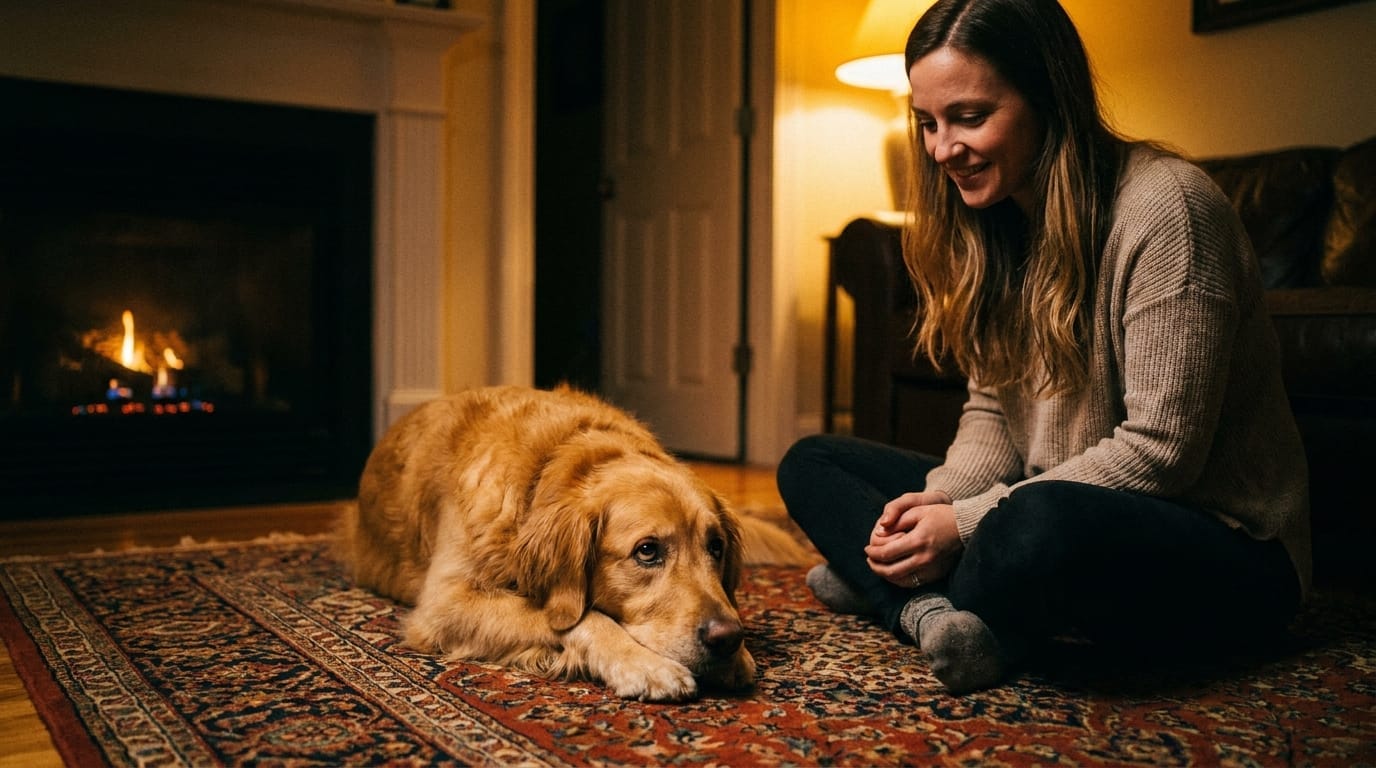
At its heart, this whole idea is about empathy. It's about seeing our pets as the individuals they are, with their own moods, preferences, and boundaries, just like us. Learning to ask for and respect their consent isn't about giving up control; it's about building a connection so strong that it doesn't need to rely on control at all. It's the quiet, beautiful art of listening, and it will change the way you see the amazing animal you share your life with.

Comments ()