

The Elegant Physics of Lapping: Uncovering the Surprising Biomechanics of How Your Pet Drinks.
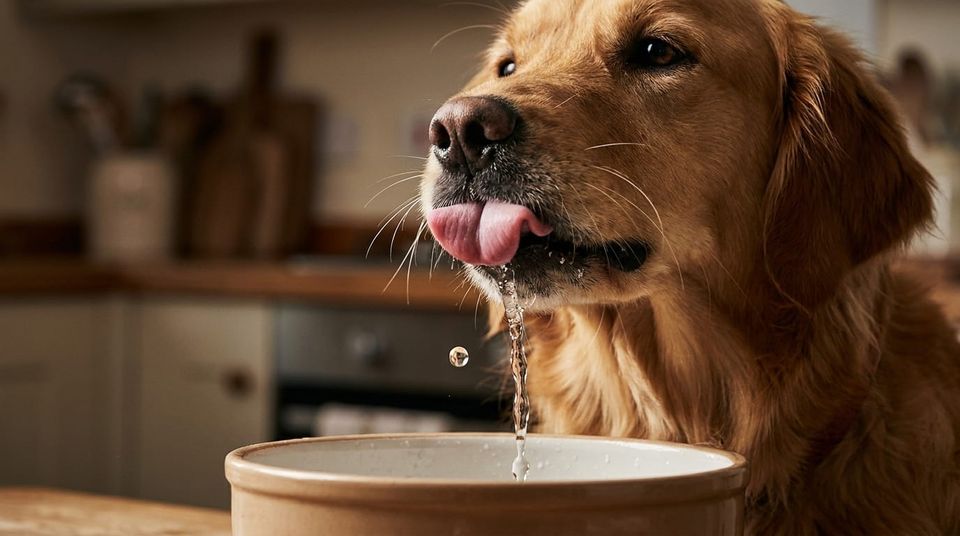
The Two Sides of the Water Bowl: Canine vs. Feline Lapping
Ever just sat and watched your dog or cat drink water? It seems so simple, doesn't it? A quick, maybe a little messy, trip to the water bowl and they're good to go. But what if I told you that you're actually witnessing an incredible display of fluid dynamics every single time? It turns out that our cats and dogs have developed two completely different, and equally brilliant, strategies for staying hydrated, and it's all in the tongue.
You see, unlike humans, neither cats nor dogs can create suction with their mouths because they have 'incomplete' cheeks. They can't seal their lips to suck up liquid through a straw, for instance. So, evolution cooked up a different solution for them: lapping. But the way a cat laps and the way a dog laps are worlds apart. It's a fantastic example of how two different animals solve the same problem in their own unique way.
The Cat's Method: A Delicate Dance with Gravity
Let's start with our feline friends. A cat's drinking method is the definition of elegance and efficiency. If you watch in slow motion, you'll see something amazing. The cat extends its tongue, but only the very tip-the smooth part-lightly touches the surface of the water. It doesn't scoop at all. Instead, as the cat rapidly pulls its tongue back up, a column of water adheres to it, thanks to a beautiful balance between inertia and gravity.
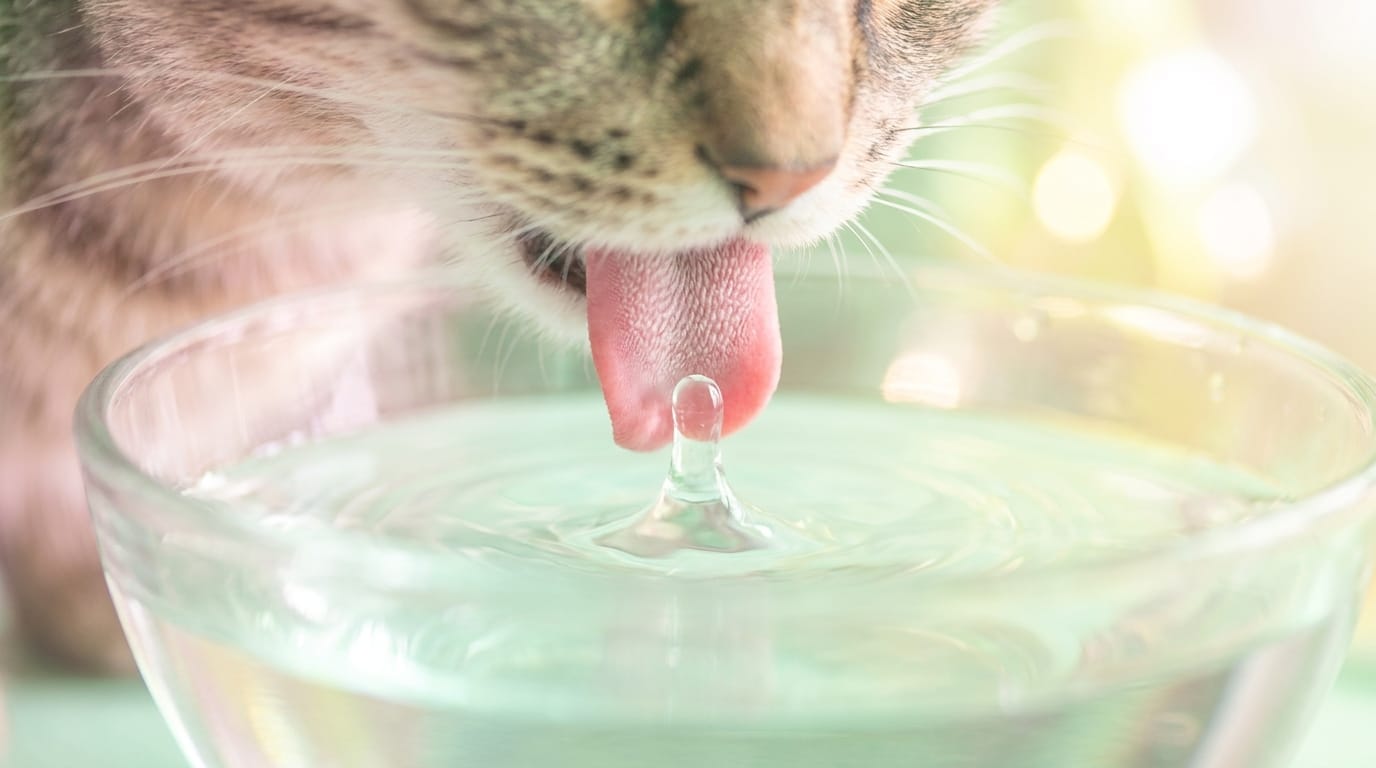
Just before gravity wins and the column collapses, the cat snaps its jaw shut, capturing the liquid. They can do this about four times a second, and it's so precise that they barely make a splash. It's a masterclass in physics, happening right there in your kitchen.
- The tongue's smooth tip lightly touches the water's surface.
- Liquid adhesion creates a column of water as the tongue retracts.
- The jaw snaps shut at the perfect moment to capture the liquid.
- This method is incredibly efficient and creates minimal mess.
The Dog's Approach: Enthusiastic and… Splashy
Now, let's turn to our lovable canine companions. If a cat's drinking style is a ballet, a dog's is more like a cannonball splash. It's all about enthusiasm and getting the job done. While it might look like pure chaos, there's a method to the madness. A dog also uses its tongue, but in a completely different way. They curl the tip of their tongue backward, forming a small ladle or scoop.
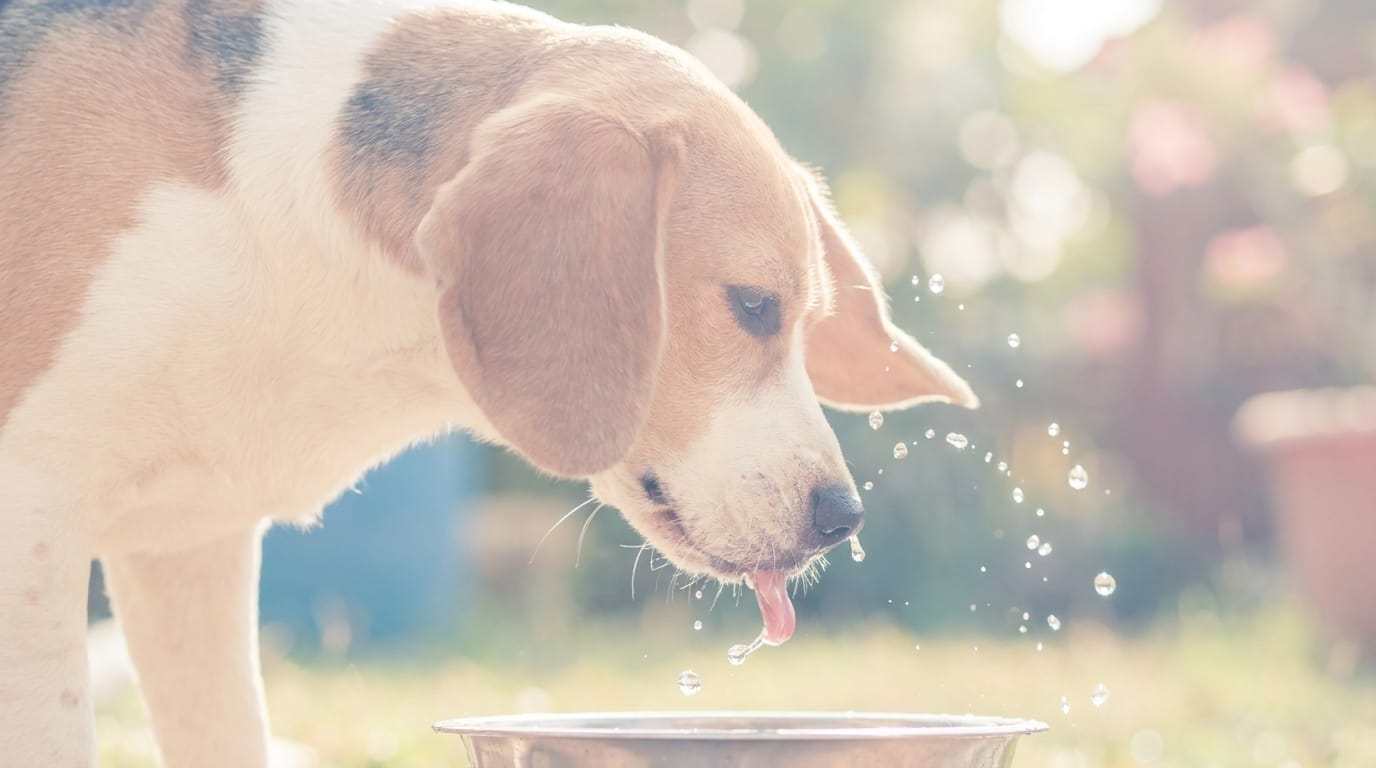
They then plunge this 'ladle' into the water and pull it back into their mouth at high speed. This action scoops a large amount of water and flings it toward the back of their throat. It's a power-based move rather than a precision-based one. The result? A whole lot of splashing and that familiar symphony of slurping sounds we all know and love.
- The tongue curls backward to form a ladle shape.
- This 'ladle' is plunged into the water to scoop it up.
- A large volume of water is flung back into the mouth.
- This process is less efficient and much, much messier.
Why the Difference? It's All in the Details
So, why the two distinct styles? It likely comes down to their evolutionary paths. Cats, as stealthy predators, benefit from quiet, discreet actions. A silent, splash-free drink doesn't give away their position. Dogs, on the other hand, often evolved as endurance animals, running in packs. Their method allows them to gulp down a lot of water quickly to rehydrate after a long chase. It's not pretty, but it's effective for their needs.
So, the next time you see your furry friend at their water bowl, take a second to appreciate the show. You're not just seeing a thirsty pet getting a drink; you're witnessing a tiny, perfect display of biomechanics, honed over thousands of years of evolution. It’s pretty amazing when you stop and think about it, isn't it?
Understanding these little quirks is one of the best parts of being a pet parent. It helps us appreciate just how special and wonderfully designed they are. Whether you've got a graceful, physics-defying cat or a wonderfully messy dog, their method is perfectly suited to them. Your only job is to keep that water bowl fresh and full-and maybe keep a small towel handy for your canine pals!
And of course, please remember that while these insights are fun and fascinating, they're shared for your entertainment and education. If you ever have genuine concerns about your pet's drinking habits, like a sudden increase or decrease in thirst, that's always a reason to check in with your veterinarian. They are, and always will be, your best partner in keeping your pet happy, healthy, and perfectly hydrated.

Comments ()