

The Gut-Brain Axis: How Your Pet's Diet Directly Influences Their Mood and Behavior

You've seen it before: a sudden bout of lethargy in your otherwise playful dog, or a wave of anxiety in your usually confident cat. While we often look for external causes, one of the most powerful influences on your pet's mood is hiding in plain sight-their food bowl. The science is clear: there is a direct and profound connection between what your pet eats and how they feel and behave. This isn't just about providing energy; it's about feeding their mind, their emotions, and their overall sense of well-being. This powerful connection is known as the gut-brain axis, a biological superhighway that sends constant messages between the digestive system and the central nervous system.
Understanding this axis is your key to unlocking a new level of partnership with your pet. The gut is often called the 'second brain' for a reason. It's home to trillions of microorganisms-the gut microbiome-that play a huge part in producing neurotransmitters. For example, a significant portion of the body's serotonin, the 'feel-good' chemical responsible for regulating mood and happiness, is produced in the gut. When the gut environment is healthy and balanced, it supports stable moods and calm behavior. When it's out of balance due to poor nutrition, it can disrupt this chemical production, potentially leading to issues like stress, anxiety, or even listlessness.
This is where you become the agent of change. By making informed, deliberate choices about your pet's diet, you are directly investing in their mental and emotional health. You have the power to build a foundation of wellness that goes far beyond a shiny coat or healthy weight. It's about giving them the nutritional tools they need to feel their best, both inside and out. This knowledge empowers you to move from being a simple pet owner to a proactive wellness partner, shaping a happier, more balanced life for the companion who depends on you.
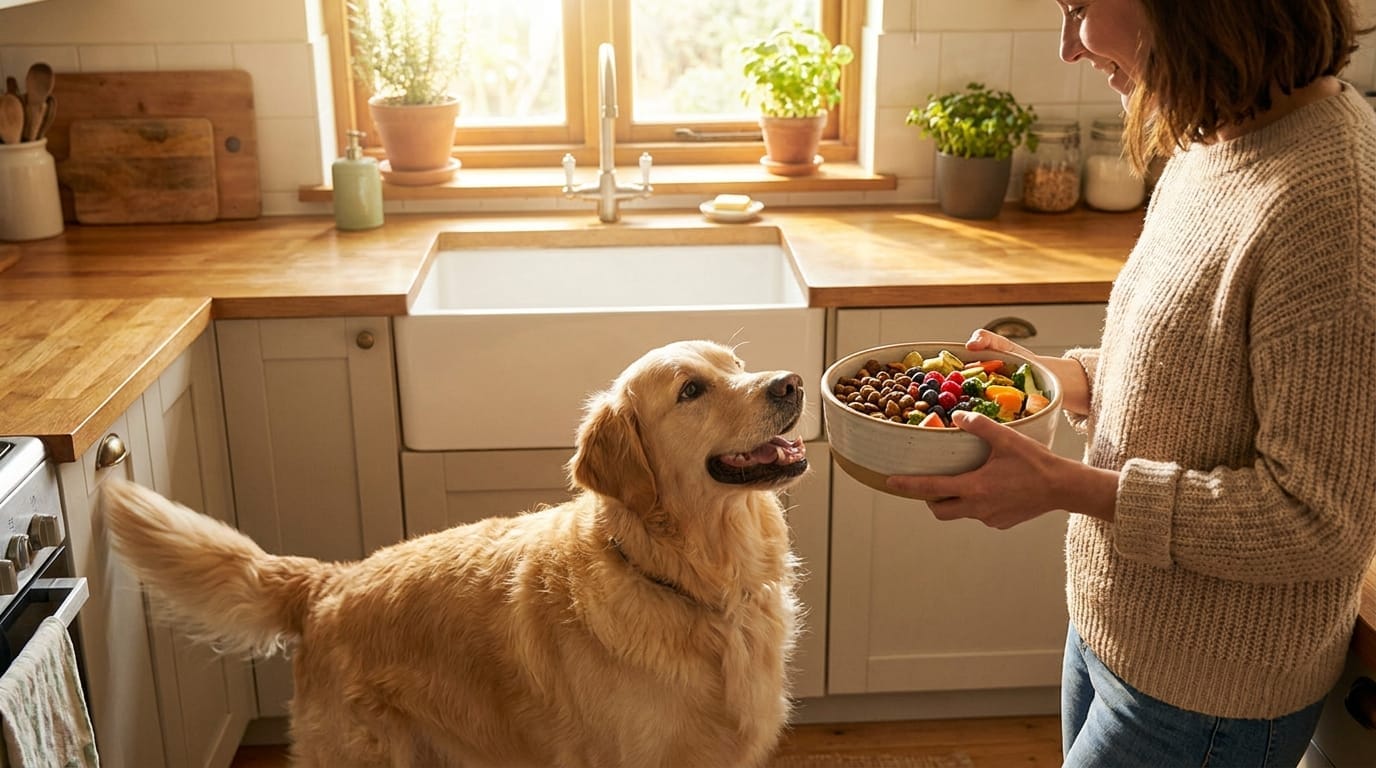
- The gut-brain axis is a two-way communication network linking your pet's digestive system and their brain.
- A healthy gut microbiome is essential for producing mood-regulating neurotransmitters like serotonin.
- Poor nutrition can lead to an imbalanced gut, potentially contributing to anxiety, stress, and other behavioral issues.
- As a pet owner, you can directly influence your pet's emotional well-being by choosing a diet that supports gut health.
Unlocking a Happier Pet Through Nutrition
Making the switch to a diet that supports the gut-brain axis is one of the most impactful decisions you can make for your pet. It's about selecting foods with high-quality, digestible ingredients that nourish the body and mind. Think of it as upgrading the fuel you put in their tank-better fuel leads to better performance, not just physically, but emotionally. By focusing on gut health, you're addressing the root system of their well-being, creating a positive ripple effect that can transform their daily experience.
Frequently Asked Questions
What exactly is the gut-brain axis in pets?
Think of the gut-brain axis as a biological hotline connecting your pet's digestive tract directly to their brain. This communication flows in both directions along physical and chemical pathways. The main physical connection is the vagus nerve, a long nerve that sends signals about the state of the gut straight to the brain. If the gut is inflamed or upset, the vagus nerve reports this distress, which can trigger a stress response or feelings of anxiety in your pet.
The chemical pathway involves the gut microbiome-the community of bacteria and other microbes living in the intestines. These tiny organisms are miniature chemical factories, producing hormones and neurotransmitters that enter the bloodstream and influence brain function. A balanced and diverse microbiome produces beneficial compounds that support a calm and stable mood, while an imbalanced one can produce substances that contribute to inflammation and emotional distress.
How does an unhealthy gut affect a pet's behavior?
An unhealthy gut, often caused by a diet lacking in essential nutrients or filled with hard-to-digest ingredients, can directly manifest as negative behavior. When the gut's microbial balance is thrown off-a condition known as dysbiosis-it can lead to inflammation. This inflammation doesn't just stay in the gut; it sends stress signals to the brain, which can lower the threshold for anxiety, fear, and even aggression. Your pet might become more reactive to noises, show signs of separation anxiety, or seem generally more irritable.
Furthermore, an imbalanced gut compromises the production of those crucial 'feel-good' chemicals. With lower levels of serotonin, your pet may appear lethargic, withdrawn, or less interested in activities they once enjoyed. In essence, a distressed gut creates a state of chronic, low-level stress that puts their entire nervous system on edge, making it much harder for them to be the happy, relaxed companion you know and love.
What are the best types of ingredients for supporting a healthy gut?
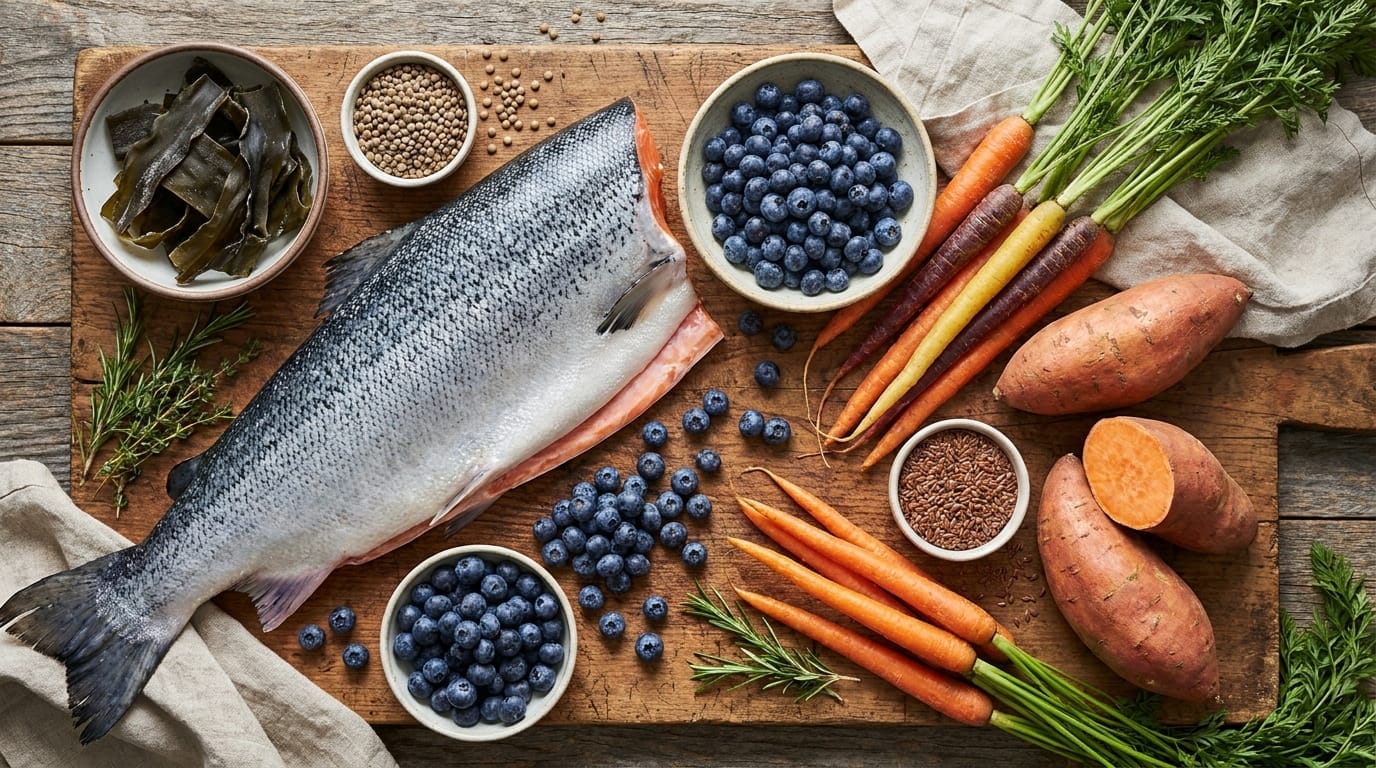
To support a robust gut-brain axis, focus on providing a diet rich in whole, high-quality, and easily digestible ingredients. First, look for sources of prebiotics, which are types of fiber that feed the beneficial bacteria in the gut. Ingredients like pumpkin, sweet potato, carrots, and certain grains act as fuel for these good microbes, helping them thrive. A healthy colony of good bacteria is the foundation of a balanced gut environment.
Next, consider the role of probiotics, which are the live beneficial bacteria themselves. These can be found in some specially formulated pet foods and supplements designed to support digestive health. Finally, ensure the diet is based on high-quality, digestible proteins. When proteins are difficult to digest, they can ferment in the gut and feed harmful bacteria. Easily absorbed proteins from sources like chicken, fish, or lamb provide essential amino acids without putting undue stress on the digestive system.
Can changing my pet's diet fix all behavioral problems?
While nutrition is an incredibly powerful tool, it's important to see it as a cornerstone of your pet's well-being, not a magic cure-all. A diet that supports the gut-brain axis can create a dramatic improvement in mood and baseline anxiety, making your pet more receptive to training and less prone to stress. It lays the foundation for a balanced emotional state. However, behavior is complex and is also influenced by genetics, training, environment, and daily enrichment.
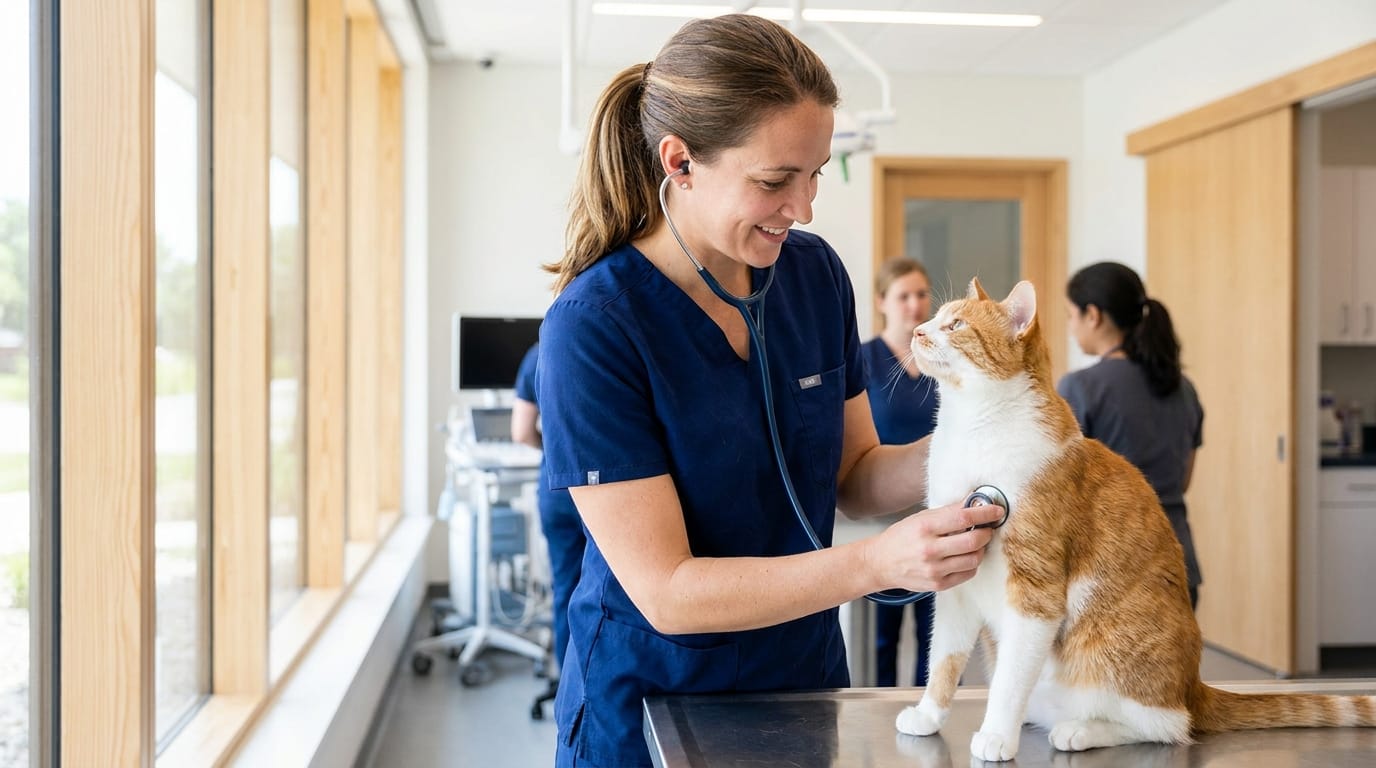
If your pet is struggling with significant behavioral issues like severe aggression or phobias, changing their diet should be one part of a comprehensive plan. It is essential to work with a qualified veterinarian or a certified animal behaviorist to address all contributing factors. Think of a gut-friendly diet as giving your pet the best possible internal environment to succeed, while proper training and management provide the external structure they need to thrive.

Comments ()