

The Hidden Purpose Behind Your Pet’s Playtime
A Rehearsal for Survival
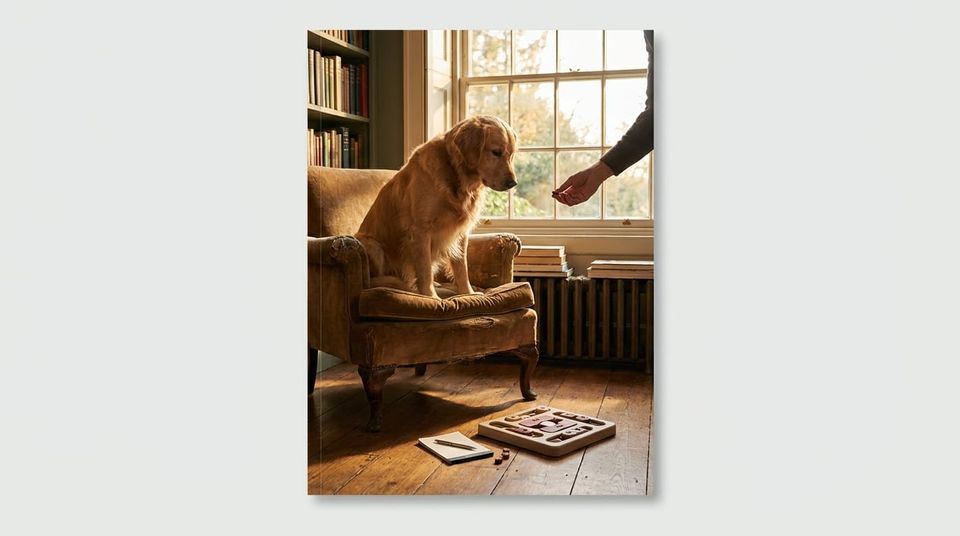
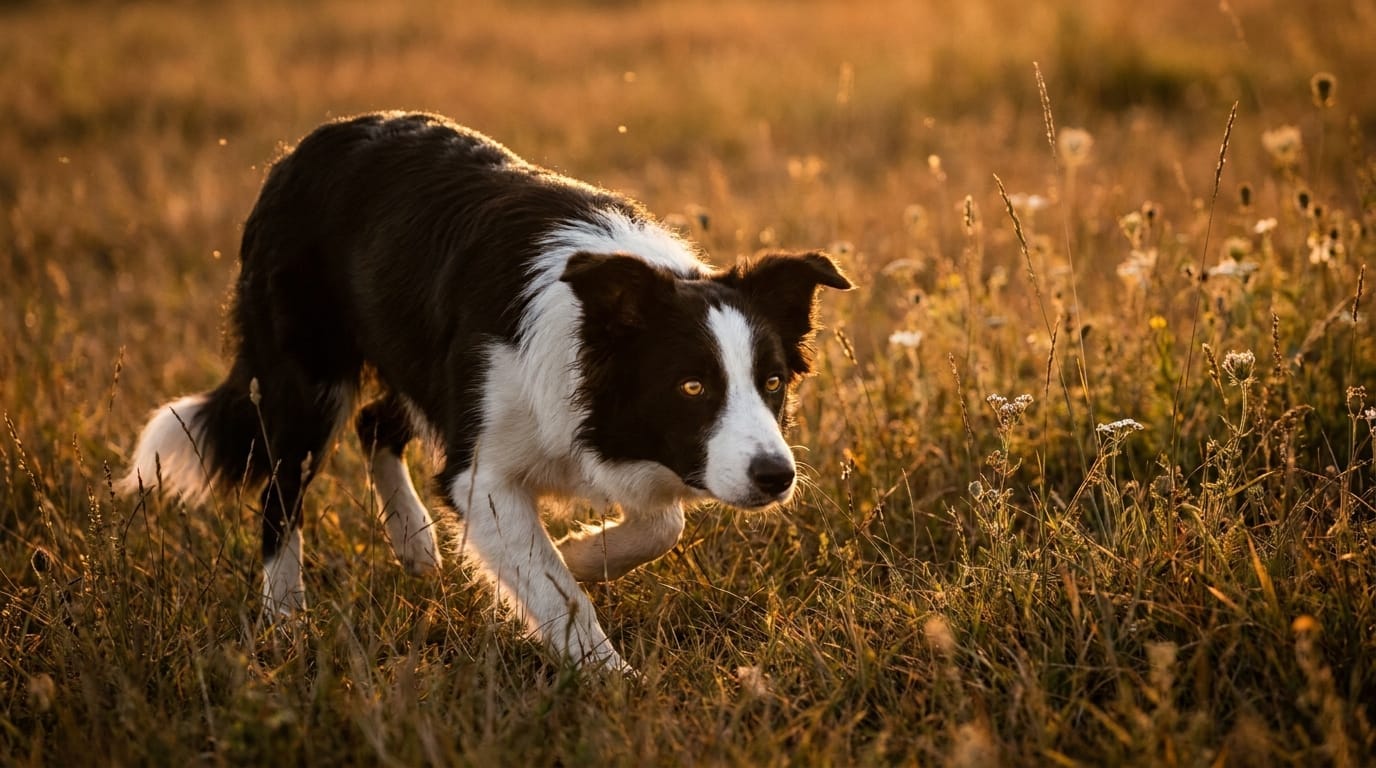
For our domestic companions, play is a direct and powerful echo of their ancestral past. When a cat stalks a feather wand or a dog relentlessly pursues a thrown ball, they are not merely amusing themselves. They are engaging in a deeply ingrained behavioral sequence that mimics the hunt. This is a rehearsal for survival, a practice run of the predatory actions that ensured their species' continuation for millennia. The act of chasing, pouncing, grabbing, and shaking a toy directly mirrors the steps of locating and securing prey. It satisfies a fundamental biological drive that a life of leisure in a modern home cannot erase. Providing appropriate outlets for this instinct is a basic component of responsible animal care.
The Classroom of Social Conduct
Play is also the primary classroom where young animals learn the rules of social engagement. Through wrestling and tumbling with their littermates, puppies and kittens learn critical lessons about body language, communication, and physical boundaries. The most important of these is arguably bite inhibition. A yelp from a sibling teaches an invaluable lesson: that pressure was too much. This feedback loop is essential for developing a 'soft mouth' and learning to moderate their strength, a skill that translates directly to safe interactions with humans and other pets later in life. When we engage in gentle play with our animals, we continue this education, reinforcing the bond of trust and mutual understanding.
More Than Just a Physical Workout
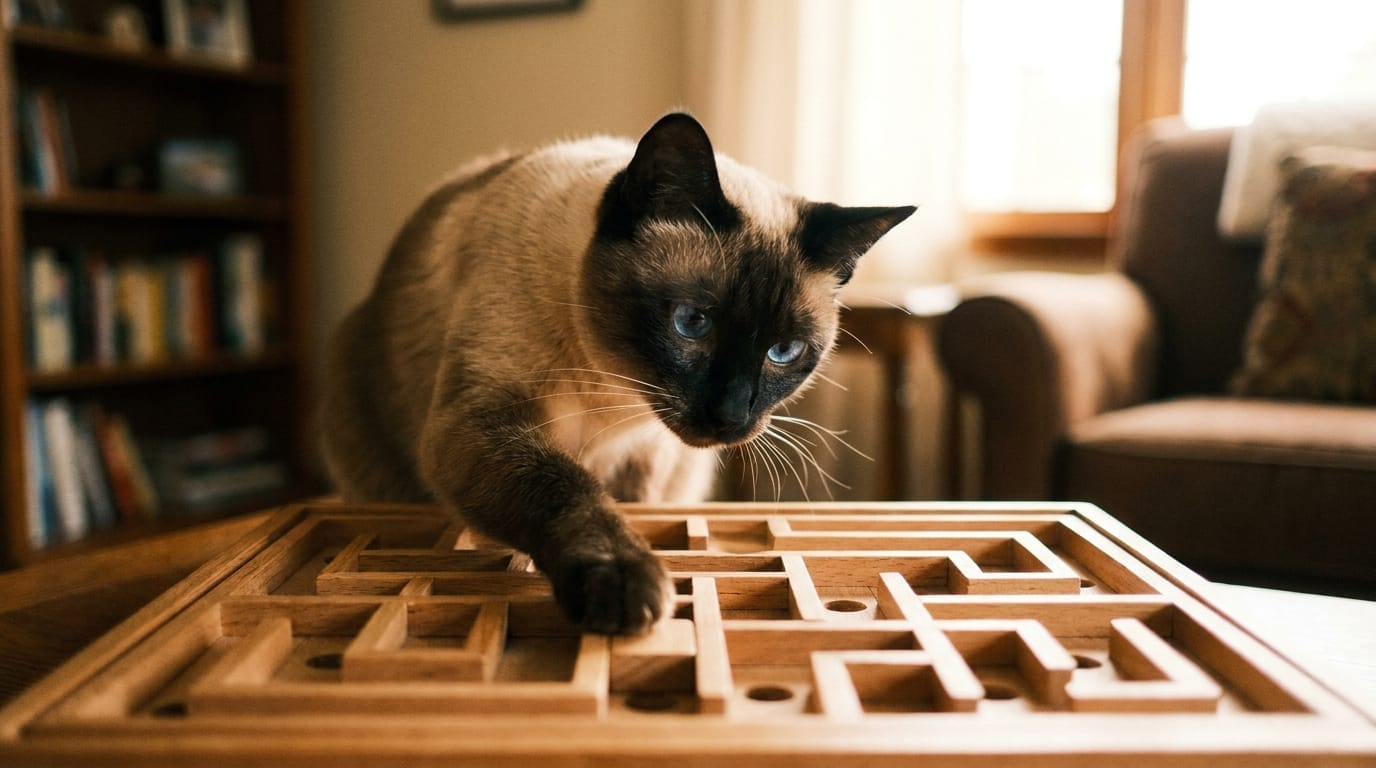
While the physical benefits of play are obvious-cardiovascular health, weight management, and muscle tone-the cognitive advantages are just as significant. Interactive toys, puzzle feeders, and scent-work games provide essential mental stimulation. These activities challenge an animal's problem-solving skills and prevent the onset of boredom, which can often lead to destructive behaviors like chewing or excessive barking. Engaging your pet's mind is a powerful way to build their confidence and strengthen their ability to focus. This form of enrichment taps into their intelligence, providing a fulfilling outlet for their cognitive energy.
Therefore, the next time you see your pet lost in a moment of play, recognize it for what it truly is: a complex and necessary activity. You are witnessing a beautiful expression of their natural history, a tool for learning, and a cornerstone of their physical and psychological health. This is not a frivolous pastime but a profound part of their being, and participating in it with them is one of the most meaningful ways to deepen your connection.

Comments ()