

The Human-Directed Meow: How Cats Evolved a Special Vocal Language Just to Talk to Us.
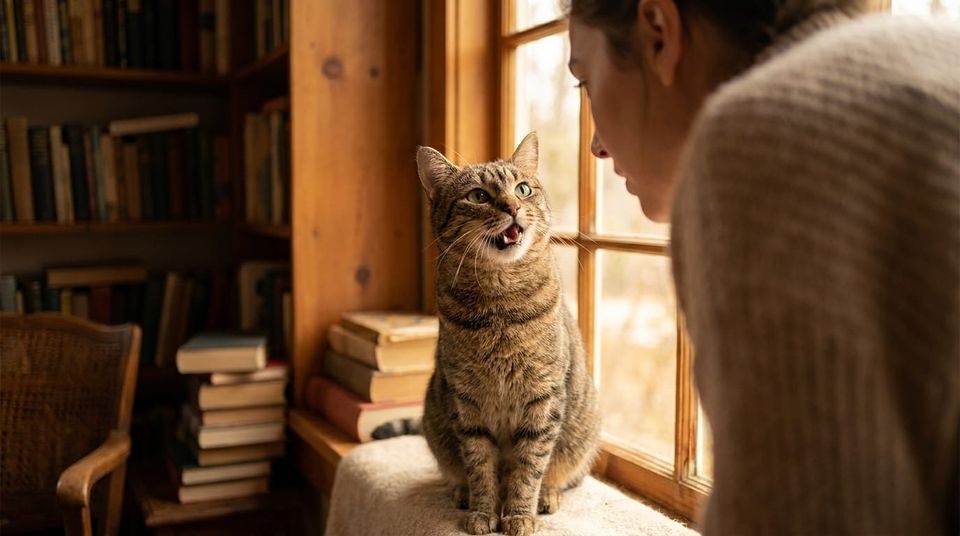
It’s a sound that can cut through the deepest sleep or slice through the concentration of a work-from-home afternoon. A single, pointed 'meow' from the other side of a closed door. It’s not a hiss, not a growl, not a purr. It is a question, a demand, and a statement all rolled into one. This specific, articulate sound is one of the most fascinating and misunderstood aspects of our relationship with domestic cats. Because here’s the secret: they are almost certainly not talking to other cats this way. They are talking to you.
This vocalization is a private language, a sophisticated tool developed over thousands of years of domestication for one purpose- to communicate directly with the tall, clumsy, can-opening primates they live with. To understand this incredible evolutionary leap, we have to look at how cats speak when we aren't around. It’s a surprisingly quiet world, one that operates on a completely different set of sensory inputs.
The Silent Language: How Cats Talk to Each Other
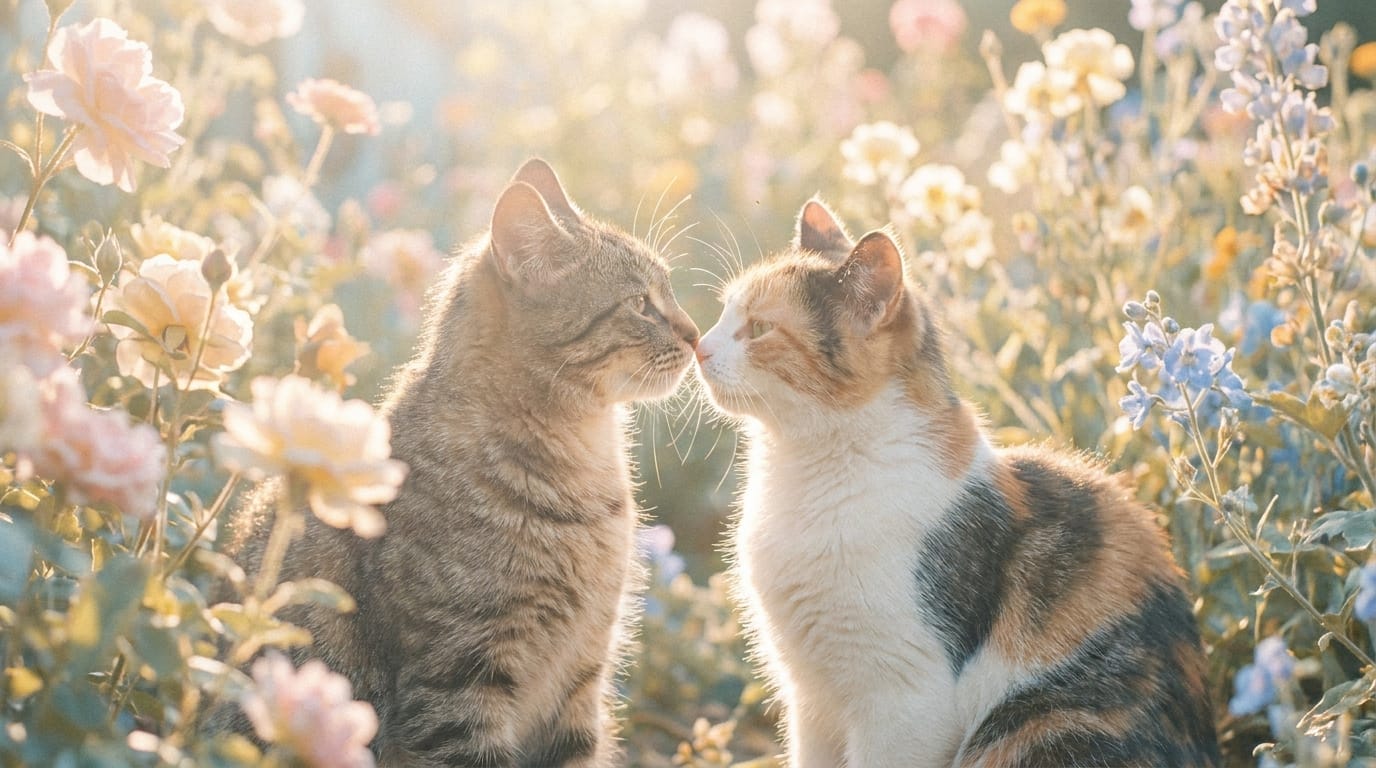
When adult cats interact with each other in the wild or even in a multi-cat household, the classic 'meow' is conspicuously absent. Kittens meow to their mothers to signal they are cold, hungry, or in distress, but they largely grow out of this behavior once they are weaned. For adult felines, communication is a much more subtle affair, relying on a complex mix of scent, body language, and a limited range of specific, high-stakes vocalizations. It’s a language of posture and chemistry, not conversation.
Their primary methods are far more nuanced than a simple vocal request. They leave scent markings through glands in their cheeks, paws, and tails, creating a chemical map of their territory, status, and mood. A slow blink signals trust, while flattened ears and a twitching tail signal agitation. The world of cat-to-cat communication is a physical dance.
- Scent Marking: Rubbing, scratching, and urine spraying are all forms of leaving messages for other cats to 'read' later. This is their version of a status update.
- Body Posture: The arch of a back, the height of a tail, the direction of the ears, and the dilation of pupils convey everything from fear and aggression to contentment and friendship.
- Touch: Head-butting (bunting) and allogrooming (mutual grooming) are powerful bonding behaviors that reinforce social hierarchies and affectionate bonds.
- Situational Sounds: Hisses, growls, and spits are defensive or offensive warnings used in moments of conflict. They are clear, unambiguous signals to back off.
The Great Adaptation: Learning to Speak 'Human'
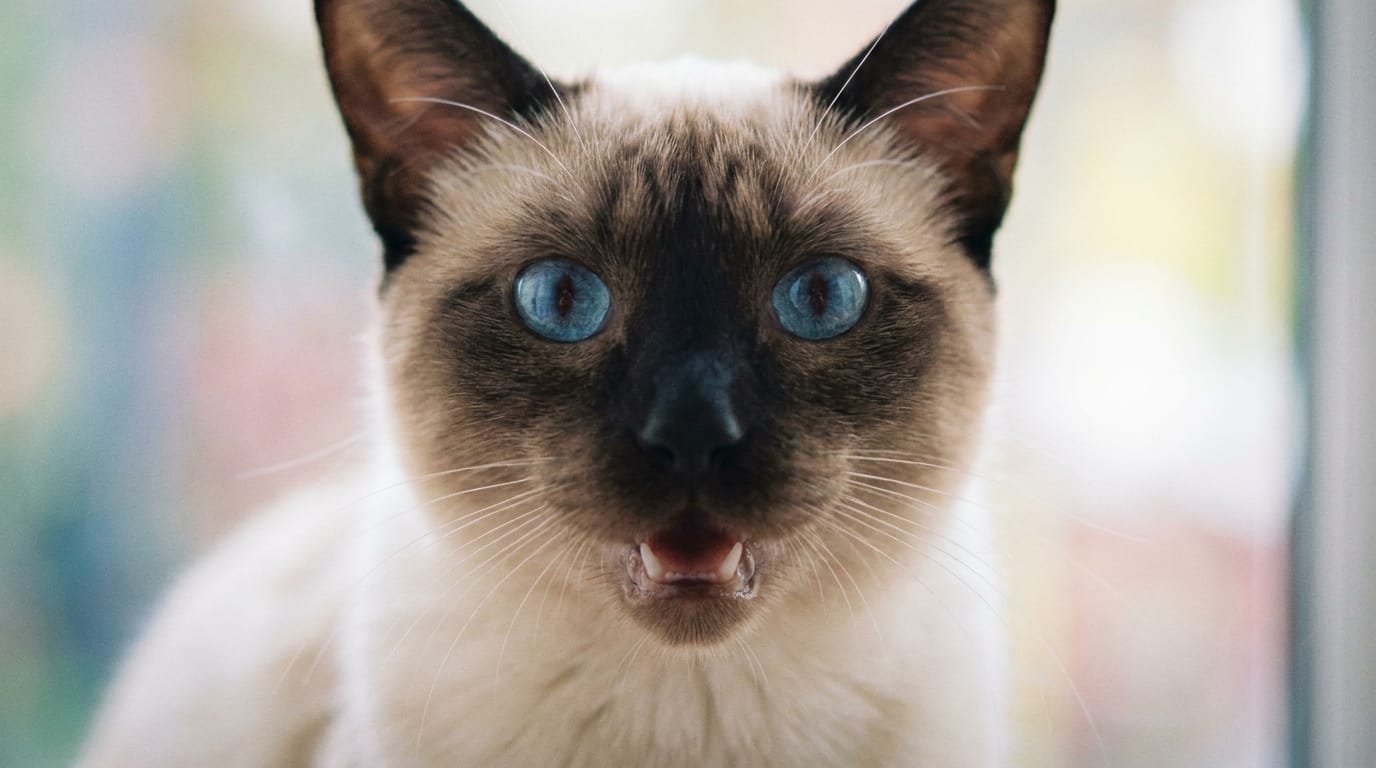
So if adult cats don't meow at each other, why do they meow at us? The answer lies in our own limitations. We are remarkably poor at interpreting the subtle scent and body language cues that cats use with each other. Early in the domestication process, cats likely discovered that their human companions were completely oblivious to a slow blink or a specific tail flick. But a vocal sound? That got our attention. The 'meow' was the perfect tool. It was an auditory signal that could cut through noise and distance, and it conveniently mimicked the cry of a human infant, tapping into our innate nurturing instincts.
Cats are brilliant observers and learners. They quickly figured out that making this kitten-like sound produced results: a door would open, a food bowl would be filled, a scratch behind the ears would be offered. It became a powerful, effective tool for manipulating their environment- and their humans. Over generations, this behavior was reinforced, creating the 'chatty' housecat we know today. Each meow is a carefully crafted request, tailored to get a specific response from the person who provides for them.
- The Short, High-Pitched Meow: Often a standard greeting. 'Hello, I see you're home!'
- The Drawn-Out, Mid-Tone 'Meeeooww': This is typically a request or a demand. 'My food bowl is empty.' or 'The door is closed.'
- The Repetitive Meow: A sign of excitement or urgency. 'Hurry up with that can opener!'
- The Low-Pitched Growl-Meow: Usually a complaint or expression of annoyance. 'You stepped on my tail.' or 'I do not like this new brand of food.'
Decoding Your Cat's Personal Dialect
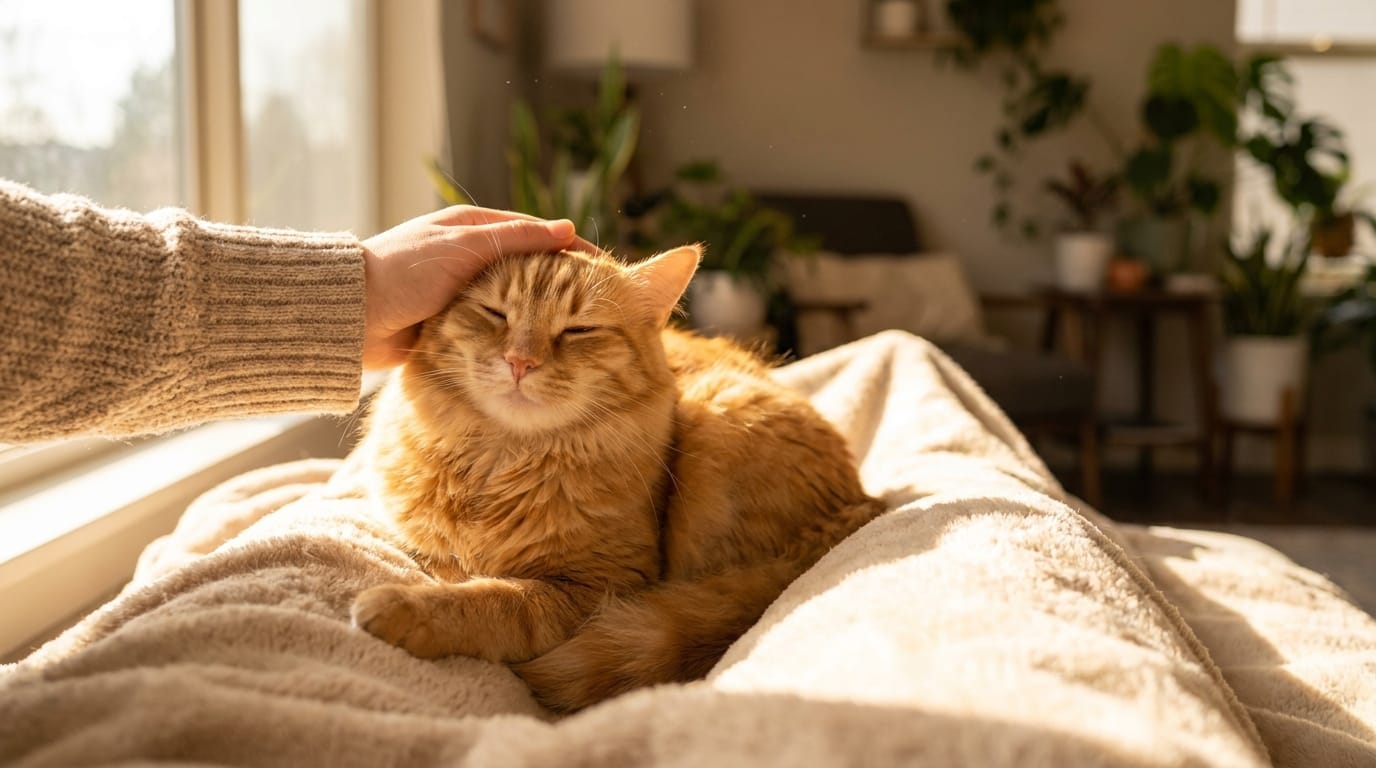
The most remarkable part of this communication is how personalized it becomes. A cat doesn't just meow; it develops a unique vocal repertoire with its specific owner. The sounds your cat makes to get your attention might be entirely different from the sounds it would use with another person. This is not an innate, hardwired language. It is a learned and co-created dialect, a secret code developed between two different species. Your cat has trained you to understand its specific intonations and pitches just as much as you have trained it to come to the sound of a can opener.
Think of it as an incredible display of adaptive intelligence. Your cat has identified a communication gap and has actively worked to bridge it using the tools available. They have analyzed what works on you and refined their technique over years of interaction. This 'meow' is not just a random noise; it is a testament to the deep and complex bond that can form between humans and animals, a unique language born of mutual affection and a shared home.
This entire process highlights the two distinct communication worlds a cat inhabits. With its own kind, it relies on an ancient, subtle language of scent and posture. But with us, it has adopted an entirely new, vocal strategy. It's a clear demonstration of their cognitive flexibility and their ability to solve complex social problems, like how to tell a giant, bipedal creature that the water bowl needs refreshing.
Ultimately, the human-directed meow is a gift. It's a private line of communication, a deliberate choice by your pet to engage with you on your own terms. They saw that we communicate primarily through sound, and so they learned to speak our language- or at least, a version of it that we could finally understand.
So the next time your feline companion lets out a plaintive cry from the kitchen, listen closely. It’s not just noise. It’s a carefully crafted message, a piece of a special language that has been evolving for thousands of years, designed for an audience of one: you.

Comments ()