

The Pet-Owner Brain Sync
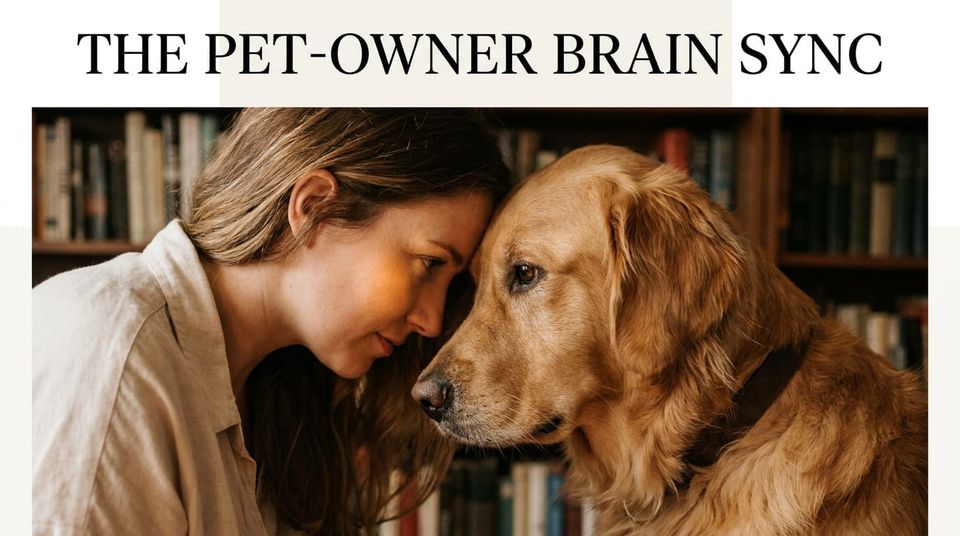
You feel it. That unspoken connection with your pet. It is not imagination. It is neuroscience. Your brains are literally syncing up.
This phenomenon, known as interpersonal synchrony, goes beyond simple affection. It is a biological process that aligns your mental and physiological states with your animal's. Let's break down the mechanics.
The Science of Synchrony
Researchers have observed this link for years. It is not just a feeling. It is measurable data. When you interact with your pet, your bodies begin to mirror each other. This happens through several channels.
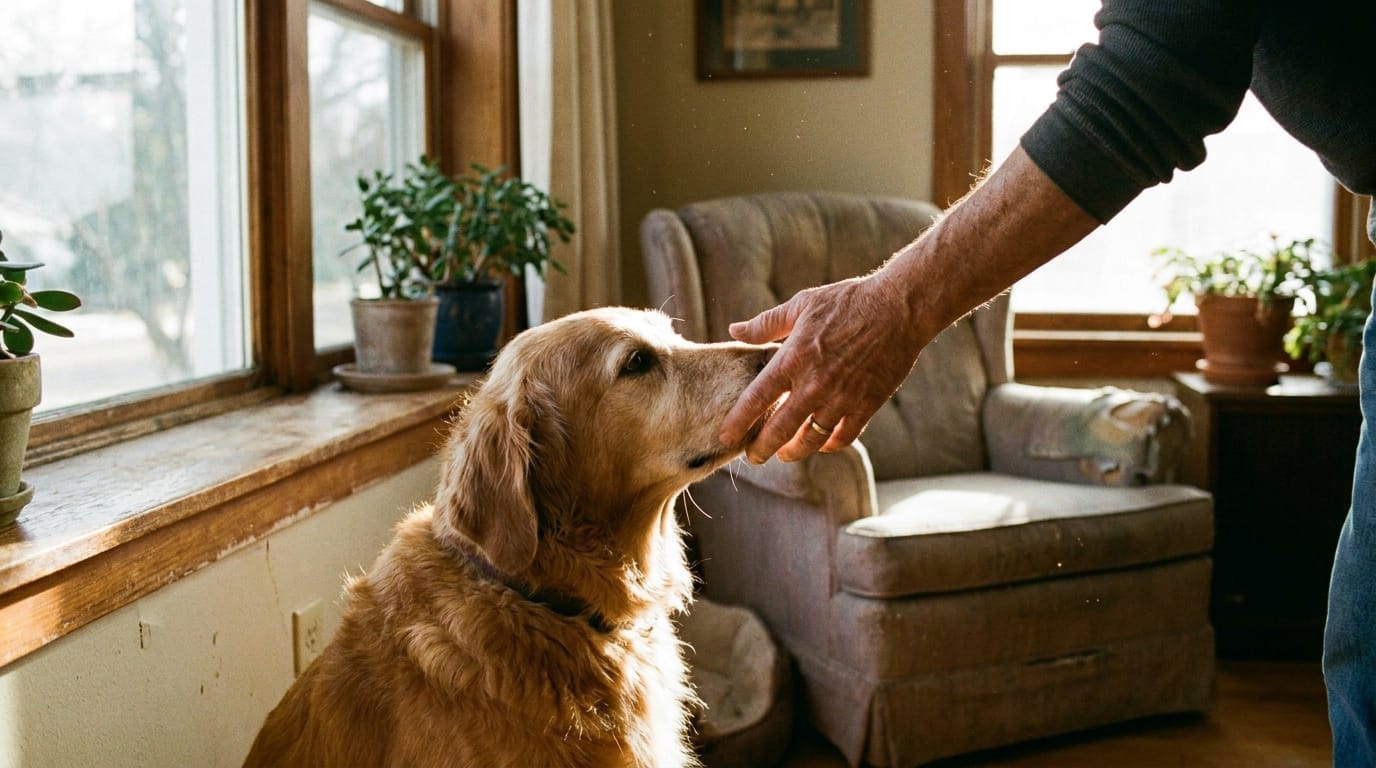
- Heart Rate Coherence: Studies show that a dog's and owner's heart rates can fall into a synchronized pattern during calm interactions, like petting.
- Hormonal Mirroring: Mutual gazing between a dog and its owner boosts oxytocin levels in both. This is the same hormone central to mother-infant bonding.
- Brainwave Alignment: Emerging research suggests that brainwaves can also synchronize, particularly during shared activities or focused attention. It is a shared state of being.
How It Manifests in Daily Life
This biological sync has direct, observable consequences. Your pet is not just reacting to you. It is attuning to you. Look for these signs.
- Mood Detection: Your pet knows when you are sad, stressed, or happy. They respond by offering comfort or matching your playful energy.
- Energy Matching: A calm owner often has a calm pet. A high-strung owner frequently has an anxious one. Your nervous system sets the tone for theirs.
- Anticipatory Behavior: They seem to know what you are going to do next. Grabbing your keys, putting on specific shoes-they have synced with your patterns.
Strengthening the Connection
You can actively improve this neural link. It requires intention, not just cohabitation. Focus on these actions.
- Be Present: Put the phone down during playtime or walks. Give your pet your undivided attention. They notice the difference.
- Maintain Eye Contact: Practice short, gentle periods of mutual gazing. Do not stare them down. Just connect. This directly stimulates oxytocin release.
- Establish Routines: Predictable schedules for feeding, walks, and play reduce their anxiety and strengthen their trust in your leadership.
- Manage Your Own State: Your pet is a mirror. If you want a calm animal, practice being calm yourself. Your emotional regulation directly impacts them.
Disclaimer: The information in this article is for educational and entertainment purposes only. It is not a substitute for professional veterinary advice, diagnosis, or treatment. Always consult your veterinarian with any questions about your pet's health.

Comments ()