

The Power of Choice: Why Letting Your Pet Make Small Decisions Builds Their Confidence.

What Does 'Choice' Even Mean for a Pet?
Let's chat about something that might sound a little out there at first: giving your pet choices. I'm not talking about letting your dog decide your dinner menu or letting your cat have the run of the neighborhood. It’s about the small, everyday stuff. Think about it - we control almost every aspect of their lives, from when they eat to where they sleep. Offering them a tiny bit of say-so in their day can make a world of difference. It’s as simple as letting them pick which direction to go on your morning walk or which toy to play with after you get home.
When you give your pet these little opportunities, you’re fundamentally changing their perspective. They shift from being a passive passenger in their own life to an active participant. This is huge for their mental well-being. It helps fight off boredom and something called 'learned helplessness,' which is when an animal just gives up trying because they feel like nothing they do matters. By giving them choices, you're constantly reminding them that their actions do have an impact, which is a powerful feeling for any creature.
The Confidence Connection: How Small Decisions Build Big Self-Esteem
So, how does letting your Golden Retriever choose between the squeaky squirrel and the rope toy actually build confidence? Every time your pet makes a choice and gets a positive result, it’s a little win. They think, 'I wanted that toy, I sniffed it, and now I have it!' This creates a positive feedback loop in their brain that reinforces their ability to successfully interact with their world. It’s a tiny deposit into their confidence bank, and trust me, those deposits add up quickly over time.
This boost in self-esteem has a wonderful side effect: it can seriously reduce anxiety. A pet that feels like they have zero control over their environment is naturally going to be more stressed and reactive. But a pet who knows they can make small decisions that lead to good things feels more secure and capable. They learn that they can handle things, which builds a kind of emotional resilience that helps them cope better with the bigger things they can't control, like a trip to the vet or the sound of fireworks.

Simple Ways to Offer Your Pet More Autonomy
Okay, so you’re on board with the idea, but what does this look like in real life? It’s way easier than you think, I promise. You don’t need any fancy equipment or a complicated training plan. It's about looking for small moments in your daily routine where you can hand over the reins, just for a second. The daily walk is a goldmine for this - instead of pulling them along a predetermined route, pause at a corner and see which way they want to sniff. It’s their walk, after all!
When it comes to playtime, training, or just lounging around, you can easily work in more opportunities for them to have a say. It's all about presenting a couple of good options and letting them be the boss. Here are a few super simple ideas to get you started:
- The 'Sniffari' Walk: Let your dog lead the way (safely, of course!) and choose where to sniff and for how long.
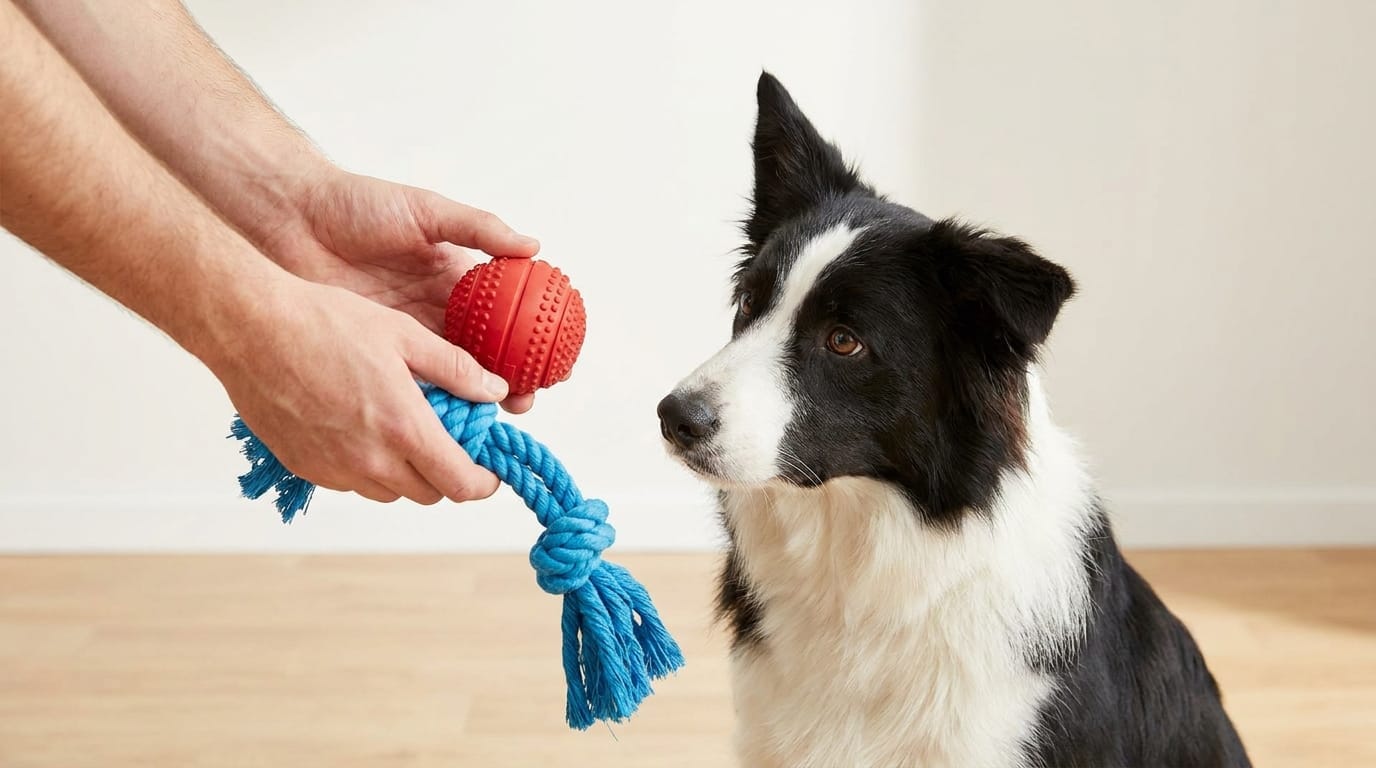
- Toy Rotation: Hold out two different toys and let them pick which one you'll play with.
- Bed Hopping: If you can, provide a couple of different beds or comfy spots in different rooms and let them choose where to nap.
- Training Treats: During a training session, hold a different high-value treat in each hand and let them choose their reward.
Reading the Signs: Knowing When It's Working (and When to Back Off)
You'll know this is working when you start to see a subtle shift in your pet's demeanor. A confident pet is often a more engaged and curious one. You might notice their tail is held a little higher on walks, or they're more eager to initiate play instead of waiting for you. For anxious pets, you might see a decrease in stress signals like excessive licking or pacing. It's about looking for those signs of a pet who feels more comfortable and secure in their own skin.
Now, it's also important to know your own pet's personality. For a very timid or anxious animal, too many choices can actually be overwhelming at first. If you offer two toys and they just freeze or walk away, that’s a sign to dial it back. Try something simpler, like just letting them choose to approach a single new toy on their own time. The goal is to empower them, not stress them out, so always pay attention to their body language and adjust your approach accordingly.

The Long-Term Benefits: A Stronger Bond and a Happier Pet
This whole practice of offering choices goes way beyond just building confidence; it’s a powerful way to strengthen the bond you share. Every time you honor their choice, you’re communicating respect and telling them, 'I see you, I hear you, and your opinion matters to me.' This builds a deep well of trust that makes every other part of your relationship, from training to cuddling on the couch, that much richer and more meaningful.
Think of this as an ongoing, beautiful conversation between you and your best friend, one that doesn't always need words. It’s a commitment to seeing them as an individual with their own little preferences and personality quirks. By consistently providing these small moments of control, you're not just raising a well-behaved pet; you're nurturing a joyful, confident companion for years to come.

Comments ()