

The Secret Life of Water Bowls
TL;DR
- Your pet's water bowl is a bacterial breeding ground. It needs to be cleaned daily with soap and hot water.
- Bowl material is not a style choice, it's a health choice. Use stainless steel or ceramic. Ditch the plastic.
- The bowl's location and shape impact how much your pet drinks. Pay attention to their habits and adjust accordingly.
The Unseen Threat: Biofilm
That slimy film on the inside of the water bowl is not just leftover slobber. It's a biofilm. This is a complex colony of microorganisms, including bacteria, algae, and fungi, all stuck together in a protective matrix. It latches onto surfaces and thrives in a moist environment. Your pet's water bowl is the perfect place for it to grow.
This is not a harmless substance. Biofilm can contain dangerous bacteria like E. coli, Listeria, and Salmonella. Every time your pet takes a drink, they are ingesting these organisms. This can lead to serious health problems, from periodontal disease and tooth decay to urinary tract infections and systemic illness. Ignoring the slime is a direct risk to your pet's well-being.
Material and Maintenance: Your First Line of Defense
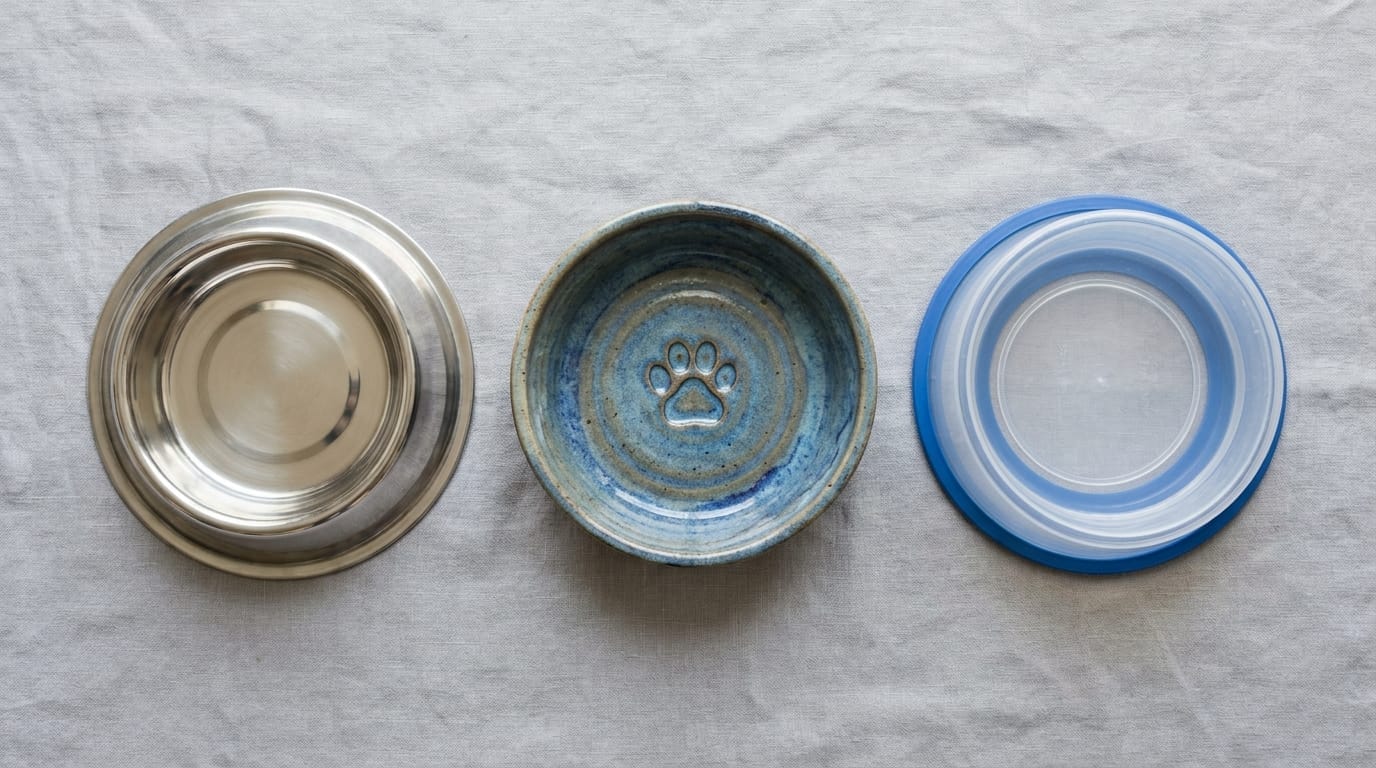
The type of bowl you use directly affects how quickly biofilm forms. Plastic bowls are the worst offenders. They scratch easily, and those microscopic grooves become perfect hiding spots for bacteria. They are nearly impossible to truly sanitize. Ceramic is a better option, as long as the glaze is intact. Any cracks or chips can harbor germs. Stainless steel is the superior choice. It is non-porous, durable, and resists bacterial growth. It is also the easiest to clean effectively.
Daily cleaning is not optional. It is a mandatory part of pet ownership. A quick rinse does nothing to remove biofilm. You must physically scrub the bowl to break down the bacterial colony. Follow this simple process every single day for every water bowl in your home.
- Empty and Disassemble. Pour out old water. If it's a fountain, take it apart.
- Scrub Thoroughly. Use a dedicated sponge or brush with hot water and dish soap. Scrub all surfaces, inside and out.
- Rinse Completely. Make sure no soap residue is left behind. This is important, as pets can be sensitive to it.
- Dry and Refill. Dry the bowl with a clean towel before refilling with fresh, cool water.
Bowl Strategy: Placement and Preference
Where you put the bowl matters. Do not place water right next to the food bowl. Many animals, especially cats, have a natural instinct to avoid water found near a food source, as it could be contaminated in the wild. Keep water separate and also far from any litter boxes. Place bowls in quiet, low-traffic areas where your pet feels safe and relaxed.
The shape and size of the bowl also play a role. Some cats experience 'whisker fatigue' if their whiskers constantly brush against the sides of a deep, narrow bowl, causing them to drink less. A wide, shallow dish is often better. For dogs, a raised bowl might aid digestion. Fountains can encourage drinking in pets who prefer moving water. The key is to observe your pet. Their behavior will tell you if the current setup is working or if a change is needed.
Conclusion
Your pet's water bowl is a critical piece of their health equipment, not just a dish. It demands your daily attention. By choosing the right material, cleaning it properly, and placing it strategically, you directly support your animal's long-term health and hydration. It is one of the simplest and most impactful things you can do for them.

Comments ()