

Unlocking the Secrets of Your Pet's Unique Memory
More Than Just Instinct: Recognizing Your Pet's Inner World
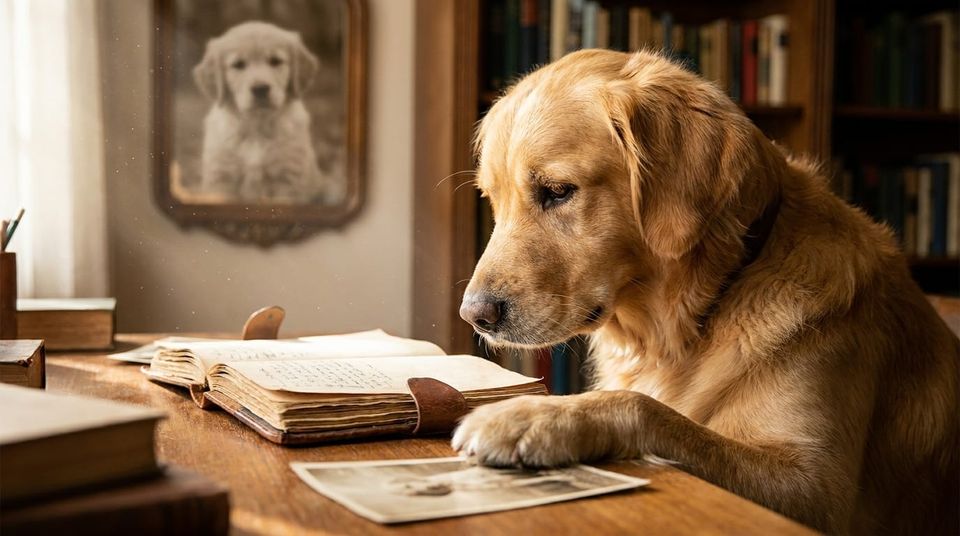
When your dog greets you at the door with pure joy or your cat purrs at the sound of your voice, you're witnessing more than just a simple reaction. You are seeing memory in action. For years, many believed animal memory was purely instinctual, a set of pre-programmed responses. But you know better. You see the spark of recognition, the anticipation of a favorite routine, and the subtle cues that prove your companion remembers the world you share in vivid detail. Understanding this is your first step toward transforming your relationship from one of simple care to one of deep, intentional connection.
The power to shape this internal world rests entirely with you. Every interaction, every game of fetch, and every quiet moment together builds a library of experiences for your pet. This isn't about just feeding and walking them; it's about becoming the conscious creator of positive memories. By grasping the fundamentals of how they recall information- from the scent of their favorite treat to the tone of a specific command- you gain the ability to build a foundation of trust and happiness that will define their entire life. This knowledge empowers you to communicate more effectively and build a stronger, more rewarding bond.
The Power of Association: How Pets Link Experiences
At the core of your pet's memory is a powerful mechanism called associative memory. This is how they learn to connect two unrelated things. Think of the crinkle of a treat bag making your cat appear from nowhere, or the jingle of car keys sending your dog into a frenzy of excitement for a ride. These are not random behaviors; they are learned responses built on a direct association between a neutral cue (the sound) and a significant event (the reward). Your pet's brain is constantly forming these links, creating a mental map of what predicts good things and what signals something to avoid.
You can directly harness this process to make your pet's life better. Positive reinforcement training is the perfect example. When you ask your dog to 'sit' and immediately provide a reward, you are creating a strong positive association with the command. This same principle applies to everything from crate training to vet visits. By consciously linking new or potentially scary situations with high-value rewards like treats, praise, or play, you actively rewrite their emotional response. You are not just teaching a trick; you are building a memory of safety, confidence, and trust in your leadership.
Beyond the Moment: Do Pets Remember Specific Events?
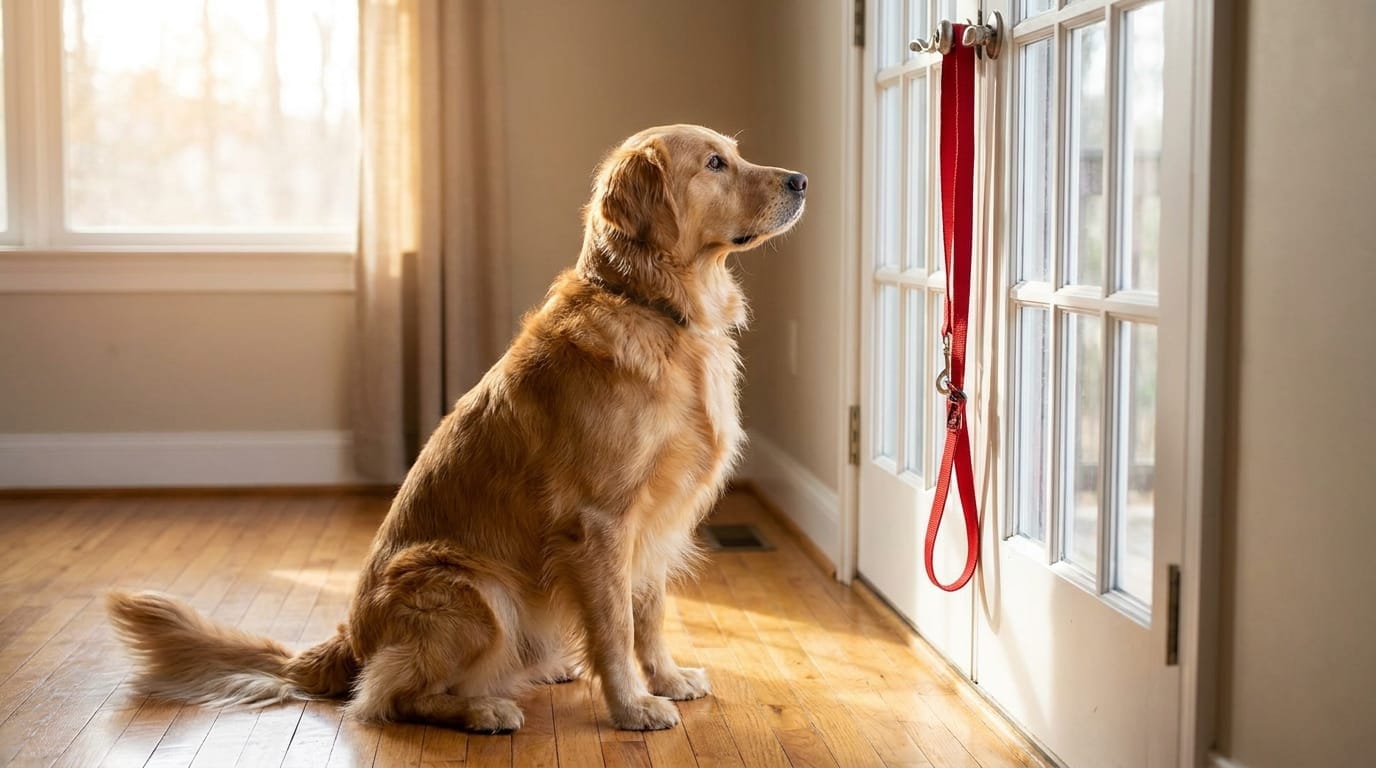
For a long time, scientists debated whether animals possessed 'episodic memory'- the ability to recall specific past events, complete with context. This is the kind of memory that lets you remember what you had for breakfast yesterday, not just that you know what breakfast is. Groundbreaking research now suggests that many animals, especially dogs, do have a form of this memory. They don't just remember that you play fetch; they can remember a specific instance of playing fetch in a particular park on a sunny afternoon. This ability is a game-changer for how we perceive their cognitive lives.
Recognizing this capacity opens up new avenues for enriching your pet's world and strengthening their mind. You can actively help them build and access these specific memories. Instead of the same walk every day, explore new routes to give them novel sights and smells to catalog. Engaging them in 'scent work' games where they must recall the location of a hidden treat challenges their brain in a completely new way. You can actively strengthen their cognitive skills through simple, daily actions.
- Vary Your Routine: Introduce new toys and change walking paths to create distinct memories.
- Engage in Puzzle Feeders: Make them work for their food, which forces them to remember solutions.
- Practice 'Hide and Seek': This game directly engages their ability to recall your location based on past information.
- Introduce New Commands: Continual learning keeps their minds sharp and builds new neural pathways.
Architect of Happiness: Shaping a Positive Future
Now that you understand the mechanics of your pet's memory, from simple associations to complex event recall, you hold the key. Every choice you make contributes to the narrative stored in their mind. Do they remember car rides as terrifying trips to the vet, or as exciting adventures to the park? Is the sight of a grooming brush a source of fear, or a predictor of a gentle, rewarding experience? You have the direct ability to influence these perceptions and build a library of overwhelmingly positive experiences that will shape their personality and well-being for years to come.
Embrace your role as the lead architect of their inner world. Be intentional with your training, generous with your praise, and creative with your enrichment activities. Focus on building memories of security, fun, and unwavering companionship. When you commit to this path, you move beyond being a simple owner and become a true partner in their life's journey. By actively shaping their memories, you are not just caring for your pet- you are constructing their happiness from the inside out.

Comments ()