

Why Your Pet Creates Nests, Dens, and Forts

It’s Instinct, Not Interior Design
Your pet’s urge to build a fort is not a quirk. It is a deeply ingrained, genetic command. This behavior comes directly from wild ancestors who needed a safe, insulated space to survive. For a wolf, a den was protection from predators and harsh weather. For a bird, a nest was the only way to safely incubate eggs and raise young. Your domesticated animal is simply acting on this powerful, prehistoric blueprint for survival and security.
Forget aesthetics. This is about function. When your dog circles in his bed or your cat kneads a blanket into a mound, they are preparing a space. They are checking for threats, arranging bedding for warmth, and creating a secure perimeter. The goal is a sanctuary. A place of absolute safety where they can rest, recover, or in the case of many species, give birth. This is a fundamental need, not a preference for a tidy sleeping area.
The Science of Denning and Nesting
Denning and nesting are distinct but related behaviors. Canines, like dogs and their wolf ancestors, are denning animals. They seek out or dig enclosed, cave-like structures. This is why many dogs love crates, hiding under tables, or burrowing into a pile of laundry. It mimics the secure, dark, and protected environment of a subterranean den. This space provides a sense of control and reduces anxiety by limiting their exposure to the outside world.
Cats, rodents, and birds are primarily nesting animals. Their focus is on building a soft, insulated structure, often above ground. A nest is designed for comfort, warmth, and raising offspring. When your cat meticulously arranges a blanket, she is following the same instinct as a bird weaving twigs. The act of building releases calming hormones, making the process itself as important as the final product. It is a self-soothing ritual that reinforces feelings of safety.
Common Behaviors and What They Mean
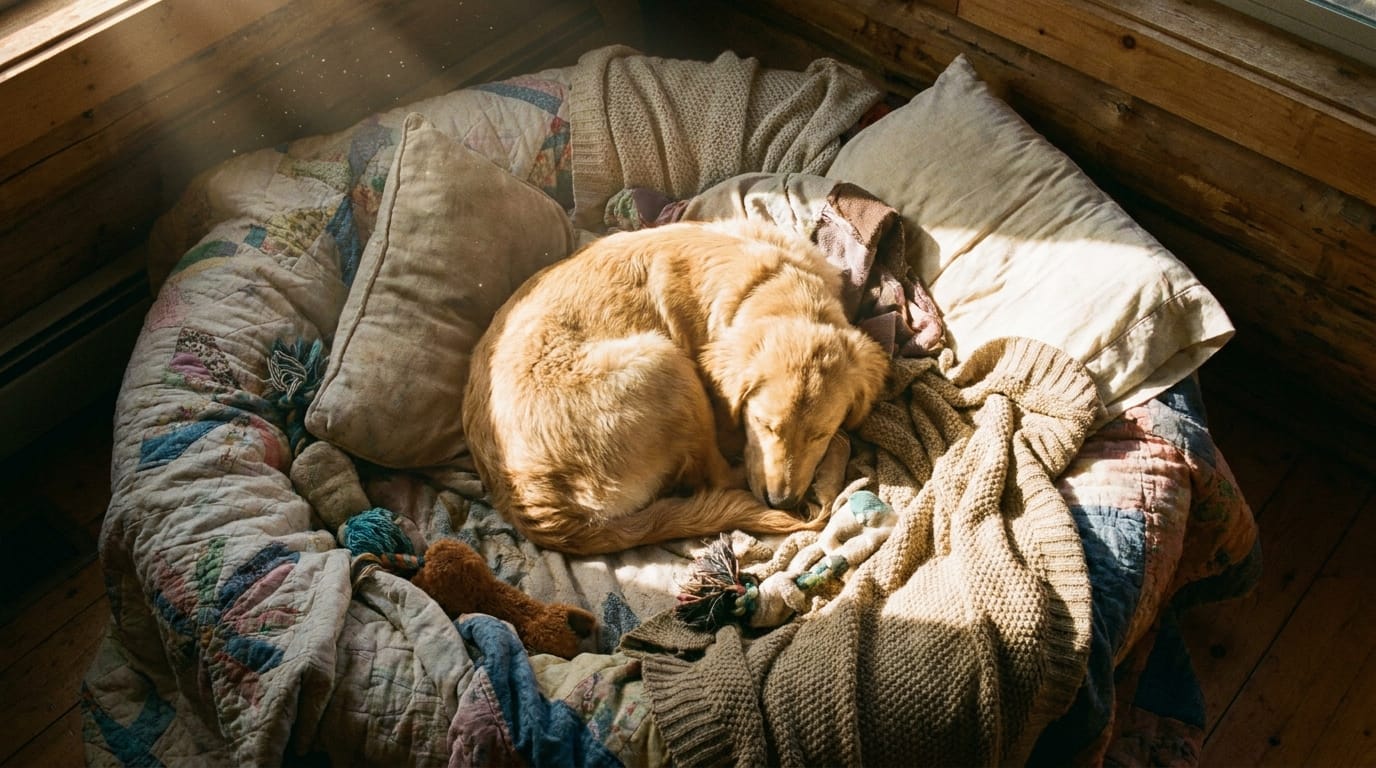
Observing your pet's construction habits gives you direct insight into their state of mind. A dog that digs and circles its bed is preparing its den for sleep. This action also spreads its scent, marking the territory as its own. A cat that kneads blankets is not just getting comfortable; it is often replicating the feeling of nursing, a behavior associated with extreme comfort and security from kittenhood. Burrowing under covers is a clear attempt to create a dark, warm, and fully enclosed den.
These behaviors can intensify when a pet feels stressed, anxious, or unwell. A sudden increase in nesting or denning can be a sign that your pet is seeking extra security. Pay attention to the triggers. Is it happening during a thunderstorm? When you have guests over? Understanding the context is key to understanding the need. Common triggers for this behavior include:
- Changes in the environment
- Loud noises like fireworks or construction
- Anxiety or fear
- Pregnancy or pseudo-pregnancy
- Illness or physical discomfort
How to Support This Natural Behavior
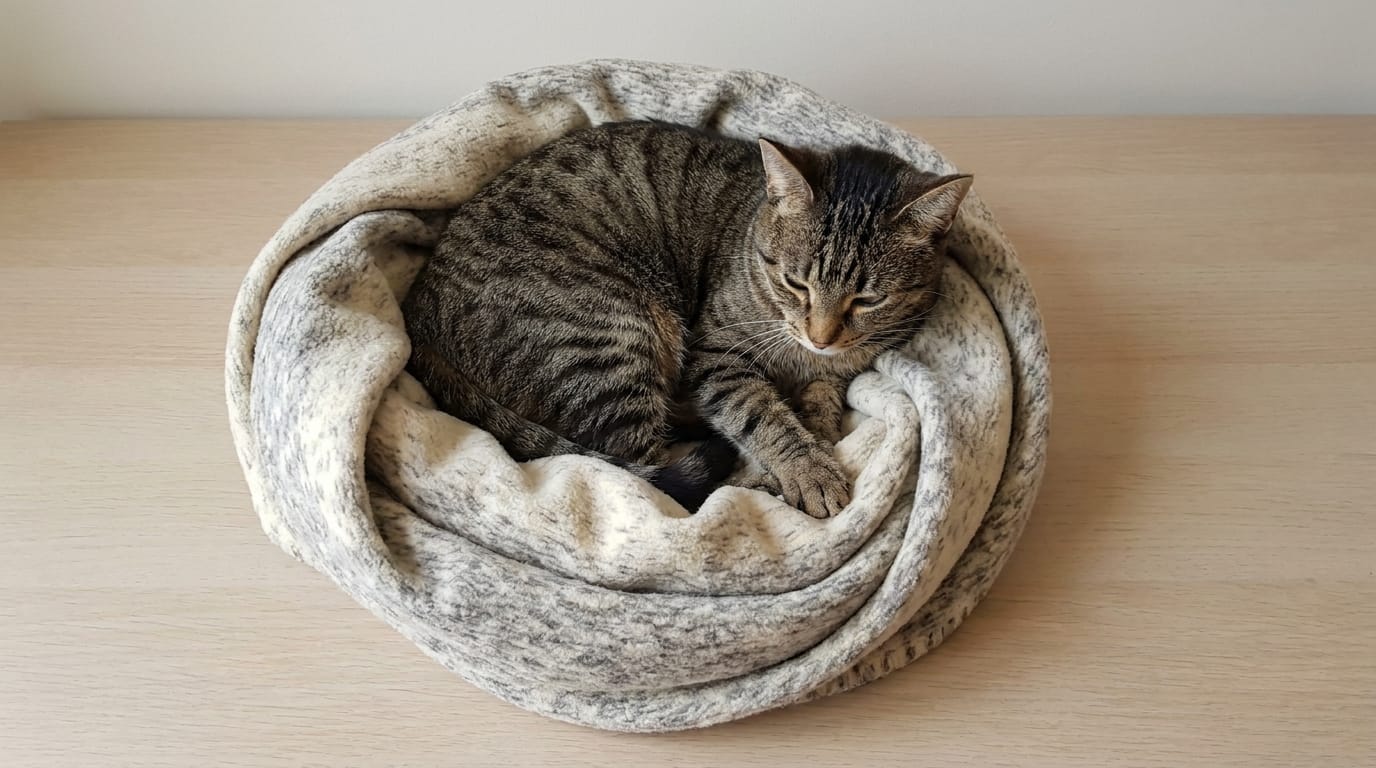
Do not discourage this instinct. Punishing a pet for building a nest or den is counterproductive and stressful for the animal. Instead, facilitate it. Provide your dog with a crate or a bed with high sides. Give them old blankets they can safely bunch up and dig into. For cats, offer covered beds, cardboard boxes, or soft fleece blankets in quiet, low-traffic areas of your home. This gives them an approved outlet for their natural urges.
By accommodating this behavior, you are strengthening your bond and contributing to your pet's well-being. You are showing them that their home is a safe space where their instincts are respected. Providing these resources reduces anxiety and prevents destructive behaviors that can arise when these needs are not met. Watching and understanding these ancient rituals is one of the best ways to build a deeper connection with the animal you live with.

Comments ()