

Your Pet's Biological Clock: More Than Routine
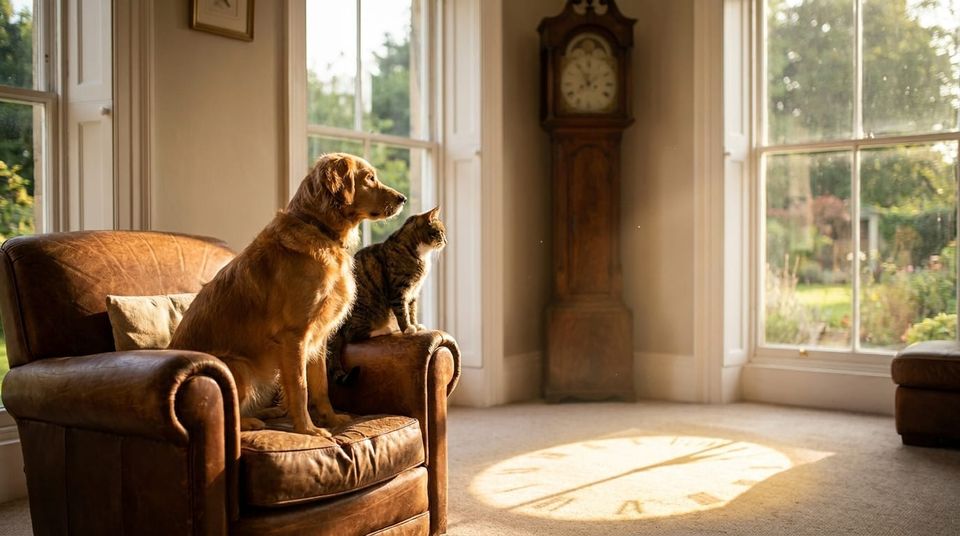
The Unseen Rhythm of Their World
Ever wonder why your dog knows it's dinner time down to the exact second?
Or why your cat suddenly gets a wild case of the zoomies right as you're settling in for the night?
It's not just a cute quirk or a learned habit, my friend.
We're talking about their internal biological clock, and it's a much bigger deal for their well-being than you might think.
This isn't just about keeping a schedule; it's about honoring the deep, natural rhythm that's wired into their very being.
Let's chat about what's really going on inside that furry little head.
So, What Exactly Is a Circadian Rhythm?
In the simplest terms, it's your pet's own personal 24-hour master clock.
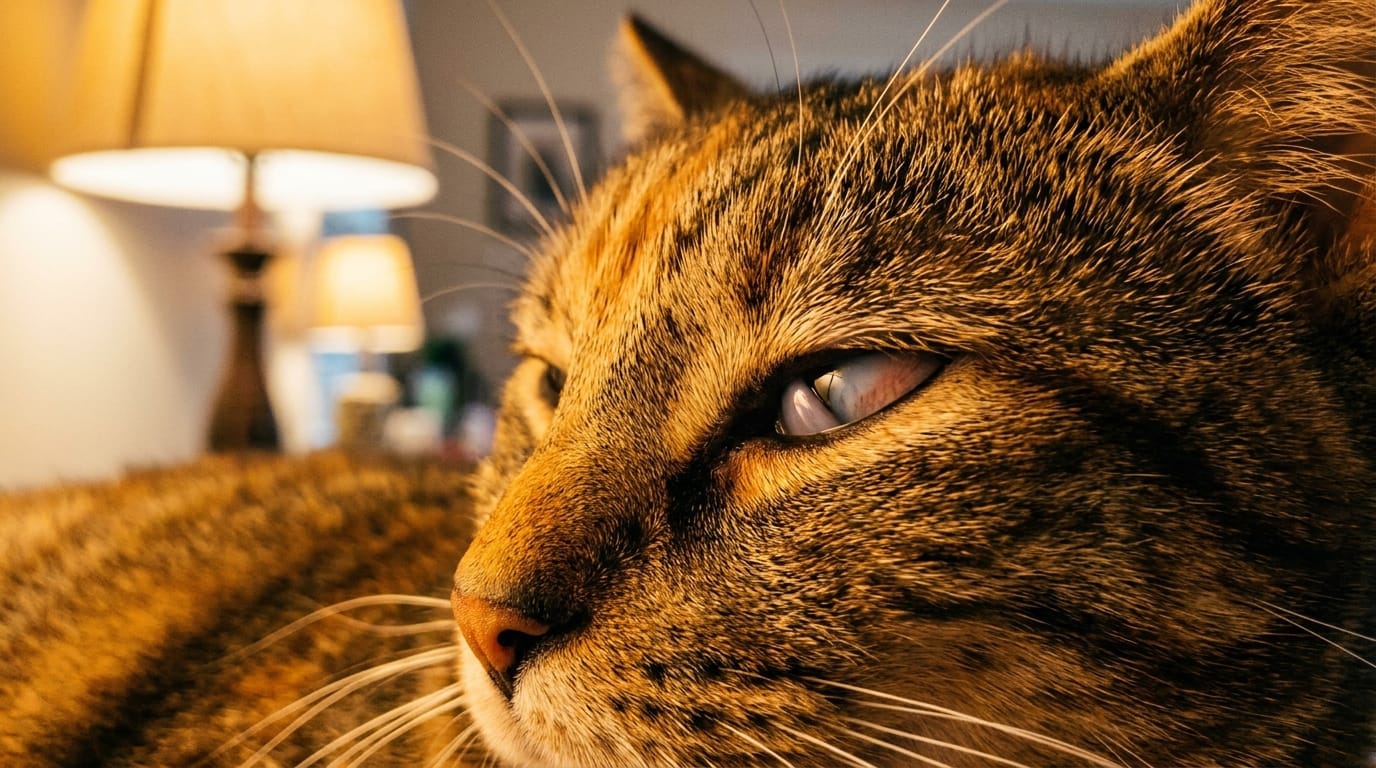
This ancient, natural cycle tells their body when it's time to sleep, wake up, eat, and even play.
It's all managed by a tiny part of the brain that takes its cues from the daily cycle of light and darkness.
It's pretty much the same system that makes you feel sleepy when it gets dark and (hopefully) ready to go in the morning.
For our pets, this internal timer is running the show behind the scenes, dictating almost everything they do.
Why It's So Much More Than Just a Schedule
When you stick to a routine, you're doing something way more profound than just creating good habits.
You're actively supporting their fundamental biology, and that's huge.
When their internal clock is humming along nicely, their entire system just works better.
This means their digestion is more efficient, their hormones are released at the right times, and even their body temperature stays properly regulated.
A messed-up clock, on the other hand, can lead to some real problems you might not see coming.
We're talking about things like stress, digestive upset, and a general feeling of anxiety.
Imagine feeling like you have a constant, low-grade case of jet lag-that's what it can feel like for them.
The Telltale Signs of a Disrupted Clock
You might notice them acting restless or anxious at really odd hours.
Maybe they're suddenly having potty accidents in the house when they've been perfectly trained for years.
Some pets might seem sluggish and lose their appetite for no clear reason.
Others could become more vocal, needy, or even a bit destructive when they're usually calm.
It's so important to see these not as 'bad behaviors' but as signals that something is out of sync.
Simple Ways to Support Their Natural Rhythm
Here's the great news: getting them back on track is totally doable and doesn't require anything complicated.
Your new best friend in this whole process is one simple word: consistency.
Here are a few powerful things you can start doing today to help them feel their best.
- Consistent Meal Times: This is a big one. Try to feed them at the exact same times every single day, and yes, that includes weekends!
- Predictable Play and Walks: Scheduling activity for similar times lets them know when to expect fun and when it's time to wind down for a nap.
- Respect Light and Dark Cycles: Make sure they get plenty of bright, natural light during the day, and then ensure their sleeping area is dark and quiet at night.
- Create a Calm Wind-Down Routine: Just like for us, a relaxing pre-bedtime ritual, like a gentle petting session or a quiet chew toy, can signal that it's time to rest.
You don't have to be a perfect robot about it, but the more predictable their days are, the more secure and balanced they'll feel.
A Quick Note on Cats vs. Dogs
It's also super helpful to remember that not all pets are wired the same way.
Dogs are generally diurnal, which just means they're most active during the day, right alongside us.
Cats, however, are what's known as crepuscular creatures.
That's a fancy word meaning their internal clocks are naturally set for peak activity at dawn and dusk.
This little fact explains those wild evening zoomies perfectly, doesn't it?
Understanding this core difference is key to not getting frustrated with what is perfectly natural for them.

You're Doing More Than You Know
So, that daily routine you've carefully built is doing so much more than you probably thought.
You're not just feeding a pet or taking them for a walk; you're supporting their entire biological system.
By honoring their internal clock, you're giving them a powerful gift of security and well-being.
It really is one of the simplest yet most profound ways to show them just how much you care.
And a happy, balanced pet is what makes a house truly feel like a home.

Comments ()