

Your Pet's Secret Language

The Unspoken Truth in Your Living Room
A staggering 77% of dog bites involve a family pet, and the root cause is almost always human failure to recognize clear warning signs. Your pet is communicating constantly. You are likely missing most of it. This isn't about intuition; it's about data. Understanding the signals is not a gift, it is a skill built on observation.
Decoding Canine Cues
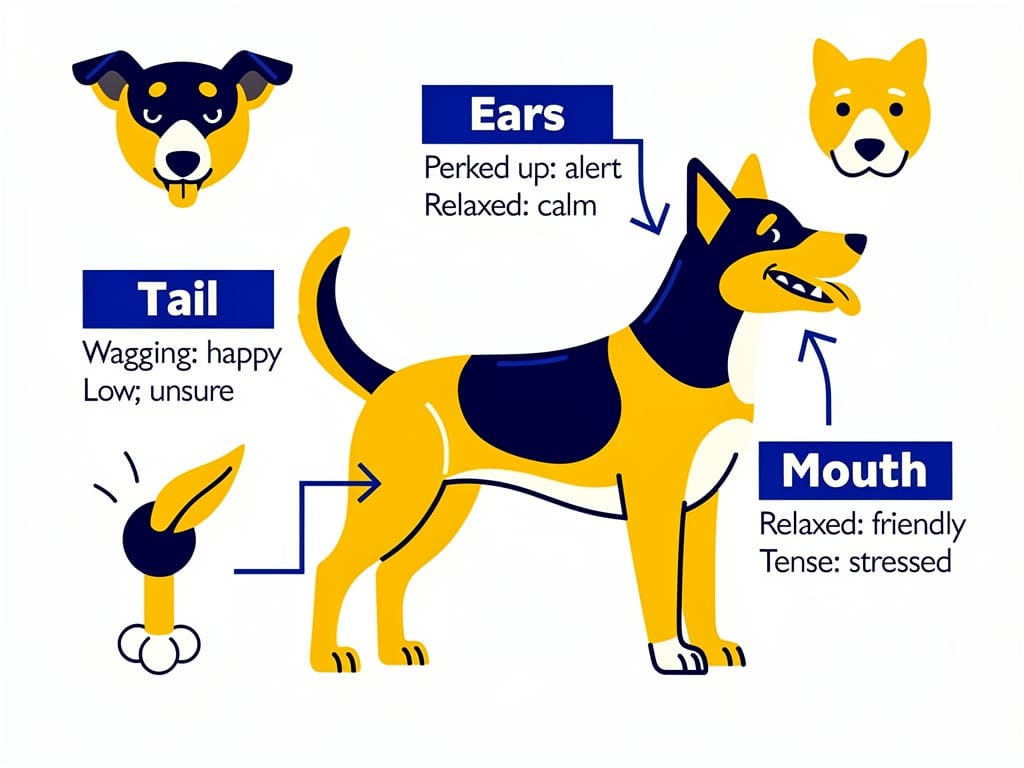
Forget the generic 'wagging tail means happy' myth. The data is more specific. A study on canine laterality shows a tail wag biased to the dog's right side signals positive feelings, while a left-biased wag indicates negative emotions. This is tied to brain hemisphere activation. Furthermore, ethologists have identified at least 19 distinct 'calming signals' dogs use to de-escalate situations, from lip licking to yawning.
The Feline Dicitonary
That meow is for you. Adult cats developed this vocalization almost exclusively for human interaction. They possess a vocal range capable of producing over 100 distinct sounds, a stark contrast to a dog's approximate 10. The purr is even more complex. While it can signal contentment, it's also a self-soothing mechanism used during stress or injury, vibrating at a frequency of 25 to 150 Hertz—a range that can promote tissue regeneration.
Data-Driven Communication Cheatsheet
Pay attention to these quantifiable signals. They are your clearest indicators of your pet's state of mind.
- Whale Eye: When a dog shows the whites of its eyes, it's a key anxiety indicator present in over 80% of documented pre-aggression incidents.
- Slow Blink: This feline sign of trust, often called a 'cat kiss,' is reciprocated in over 65% of interactions when initiated by a human, measurably lowering the cat's heart rate.
- Shake Off: A dog shaking its whole body when not wet is a 'reset' button. It's used to shed stress in more than 70% of tense social encounters.
- Tail Position: A cat's tail held straight up like a question mark indicates a friendly, inquisitive mood in more than 90% of observed non-threatening contexts.
From Data to Dialogue
Your pet is constantly transmitting data. Your job is to receive it and act accordingly. Proactive observation of these micro-signals can prevent over 50% of correctable behavioral issues, from destruction to aggression. Stop projecting human emotions onto them. Start watching for the documented signals. Look for the patterns before a situation escalates.
The average owner correctly interprets their pet's emotional state less than 60% of the time. This is a failing grade. The language is there and the signals are consistent. Your pet isn't a mystery. You just need to learn the code. Pay attention to the data, and you will understand your animal. It is that simple.

Comments ()